
Nueve reinas
"If you think you've got it figured out... you've been conned."
Nine Queens - Symbolism & Philosophy
Symbols & Motifs
The Nine Queens (The Stamps)
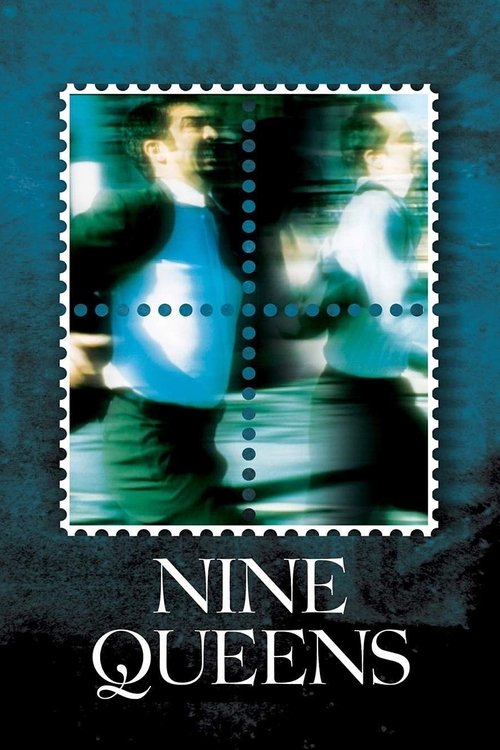
They represent the ultimate MacGuffin: an object of immense perceived value that is ultimately fake. They symbolize the illusion of wealth and the greed that blinds the characters (and the audience) to the reality of the situation.
Used throughout the film as the prize everyone is chasing. The fact that they are counterfeit stamps of a failed republic (Weimar) adds a layer of irony regarding worthless currency.
The Certified Check
Symbolizes the hollow promise of the financial system. It looks official and valuable, but in the face of systemic collapse (the bank run), it is just a piece of paper.
Marcos receives this as payment at the climax, believing he has won, only to find it useless when the bank crashes—a prophetic nod to the 2001 crisis.
The $100 Bill Scam
Represents the mechanics of the con on a micro scale: confusing the victim to steal from them while making them think they are being helped.
The opening scene where Juan tries to scam the cashier. It establishes the theme of 'the setup' which is later applied to the entire movie's plot.
Philosophical Questions
Is justice possible outside the law?
The film suggests that the legal system is broken or inaccessible. Juan and Valeria must resort to an elaborate, illegal con to achieve justice and reclaim their inheritance. This raises the question of whether 'two wrongs make a right' in a corrupt society.
What is the nature of trust?
Nine Queens presents a world where trust is a weakness to be exploited. It asks whether human connection is possible without vulnerability, and if the 'social contract' still exists when everyone is trying to survive at the expense of others.
Core Meaning
At its heart, Nine Queens is a cynical examination of trust and morality within a collapsing society. Director Fabián Bielinsky uses the structure of a heist film to critique the 'every man for himself' mentality that permeated Argentina prior to the 2001 economic crisis.
The film suggests that in a corrupt system, honesty is a liability and 'viveza criolla' (native cunning) is the only survival mechanism. However, it ultimately subverts this by showing that even the most masterly manipulator can be outplayed when underestimated. It serves as a meta-commentary on cinema itself, where the audience is the final 'mark'—willingly deceived by the director's sleight of hand.