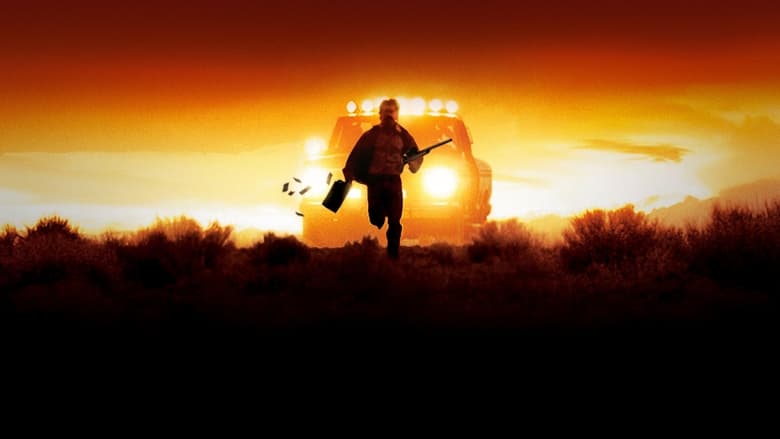
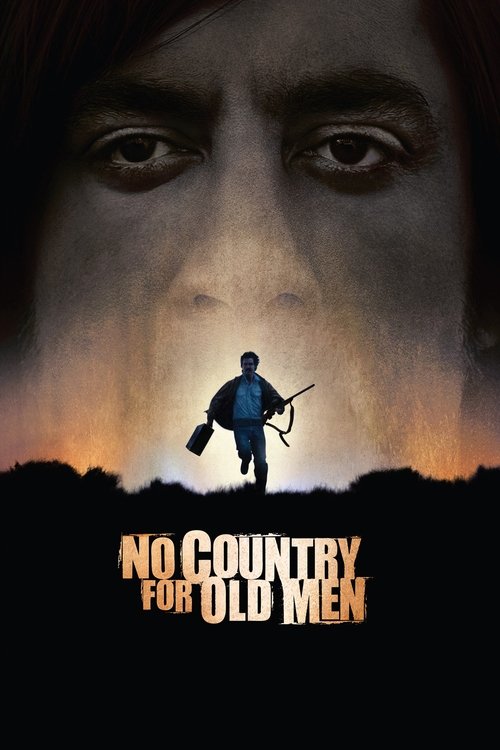
The most significant plot twist in "No Country for Old Men" is the unceremonious, off-screen death of its protagonist, Llewelyn Moss. After surviving several harrowing encounters with Chigurh, Moss is not killed by the film's main antagonist but by a group of anonymous Mexican cartel members at a motel in El Paso. The audience, like Sheriff Bell, only learns of his death after the fact. This jarring narrative choice subverts genre expectations of a final confrontation and underscores the film's central themes: that the world is random and indifferent, and that death can be sudden and meaningless. Moss wasn't the hero of a story; he was just another casualty in a violent world.
Following Moss's death, Chigurh arrives at the motel and retrieves the hidden briefcase of money from the air duct, effectively 'winning' the chase. True to his word, he later visits Moss's wife, Carla Jean, intending to kill her to fulfill the promise he made to her husband. She refuses his coin toss, forcing him to make a conscious choice. He kills her anyway (implied by him checking his boots for blood as he leaves the house). Immediately after, Chigurh is involved in a random car accident that leaves him with a compound fracture. He bribes a teenager for his shirt to make a sling and limps away, wounded but alive and free. This ending reveals that even the seemingly unstoppable Chigurh is subject to the whims of chance.
The film's final scene is not about the money or the chase, but is a quiet monologue from the now-retired Sheriff Bell. He recounts two dreams about his father to his wife. This shifts the film's focus entirely inward, revealing that the true story was not the cat-and-mouse thriller, but Bell's struggle to find meaning and hope in a world he no longer recognizes. The violent plot serves as the catalyst for Bell's existential crisis and eventual, quiet resignation.