
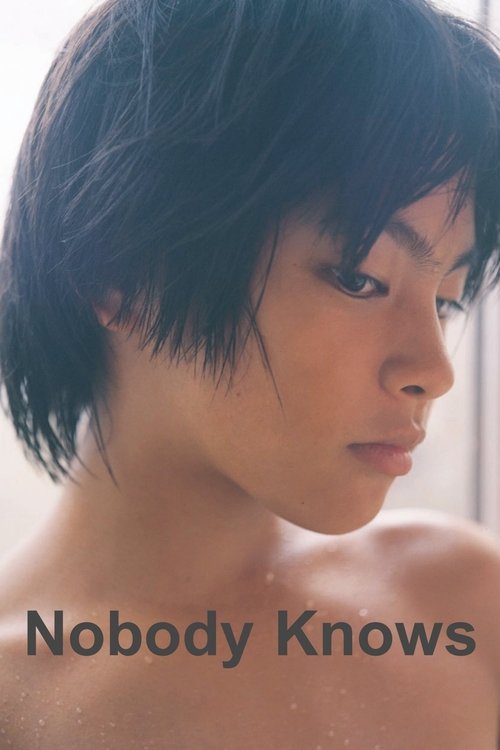
誰も知らない
Nobody Knows - Symbolism & Philosophy
Symbols & Motifs
Suitcases
The suitcases symbolize confinement, secrecy, and the beginning and end of life chapters. They represent both a makeshift womb and a coffin. They are vessels of transition, carrying the children into their hidden life and, tragically, carrying Yuki out of it.
The film opens with the two youngest children, Shigeru and Yuki, being smuggled into the new apartment inside suitcases to hide their existence from the landlord. At the film's climax, after Yuki's accidental death, Akira and Saki use a suitcase to carry her body to a spot near the airport runway for burial.
Apollo Chocolates
The small, strawberry-flavored Apollo chocolates represent the remnants of childhood innocence and a fragile connection to the outside world. They are a small, affordable luxury that symbolizes the life Yuki should have had but is denied.
Yuki, the youngest, loves Apollo chocolates. She asks Akira for them, eats them on her birthday, and is ultimately buried with a box of them, a final, heartbreaking offering of a childhood cut short.
Chipped Nail Polish
The red nail polish, applied by the mother, initially symbolizes care, beauty, and a connection to her. As it chips away over time, it visually represents the gradual decay of their hope, the fading memory of their mother, and the deterioration of their lives.
Before she leaves for good, Keiko paints Kyoko's nails. Throughout the film, as the children's situation worsens, the camera focuses on Kyoko's hands, showing the polish progressively chipping and fading, mirroring their declining circumstances.
The Monorail
The monorail, seen from the children's apartment, symbolizes the outside world moving on without them. It represents a life of normalcy, school, and social connection that is inaccessible to the siblings. It's a constant, visible reminder of their profound isolation.
The children often watch the monorail pass by their apartment. In the final scene, after burying Yuki, Akira, Kyoko, and Shigeru are seen riding the monorail, silently looking out at the city, suggesting a fragile step back into a world that had forgotten them.
Philosophical Questions
What is the nature of social responsibility?
The film relentlessly explores this question through the inaction of the adults who peripherally witness the children's decline. The landlord, the convenience store clerks, and the fathers all have moments where they could intervene, but they don't. The film asks whether responsibility is a passive or active virtue. Is it enough to feel sympathy, or does knowledge of suffering impart a duty to act? "Nobody Knows" suggests that a society's health is measured by its willingness to care for its most invisible members, and that turning a blind eye is a form of collective moral failure.
Can a family exist without parents?
Kore-eda challenges the traditional definition of family. The four siblings, bound by shared secrets and mutual dependence, create a powerful and functional family unit. They care for each other, establish rules, and provide emotional support in the complete absence of adult guidance. The film poses the question of whether the biological or legal definition of a family is as important as the functional and emotional one. The children's fierce loyalty to one another suggests that the essence of family lies in love, sacrifice, and the commitment to stay together against all odds.
Is it possible to judge a person's actions without understanding their circumstances?
The film deliberately avoids casting the mother, Keiko, as a simple villain. While her actions are unforgivable, Kore-eda provides glimpses of her own struggles—crying in her sleep, her desire for a life society might deem 'normal'. This raises the philosophical question of judgment. The film encourages empathy over condemnation, asking the audience to consider the societal pressures and lack of support that might lead someone to make such a devastating choice. It forces a reflection on whether it is more productive to condemn an individual or to critique the system that failed them.
Core Meaning
At its core, "Nobody Knows" is a profound meditation on societal neglect, resilience, and the ambiguous nature of family. Director Hirokazu Kore-eda sought not to sensationalize the tragic true story but to explore the inner lives of the children. The film refrains from passing judgment on the mother, instead portraying her as another victim of circumstance in a society with inadequate support for single mothers. The central message is an indictment of a society that allows its most vulnerable members to fall through the cracks, unseen and unheard. It questions the very definition of family, suggesting that the fierce, makeshift bond the children forge in their isolation is as valid and powerful as a conventional one. The film's title is deeply ironic; while ostensibly "nobody knows" about their plight, the truth is that several adults are vaguely aware but choose not to intervene, highlighting a collective failure of responsibility.