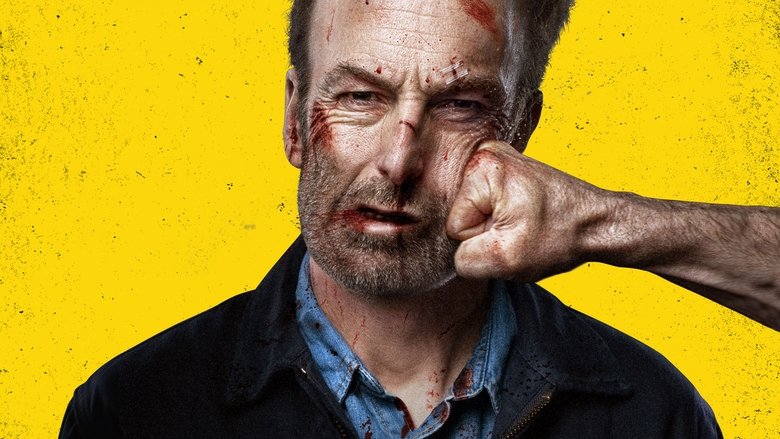
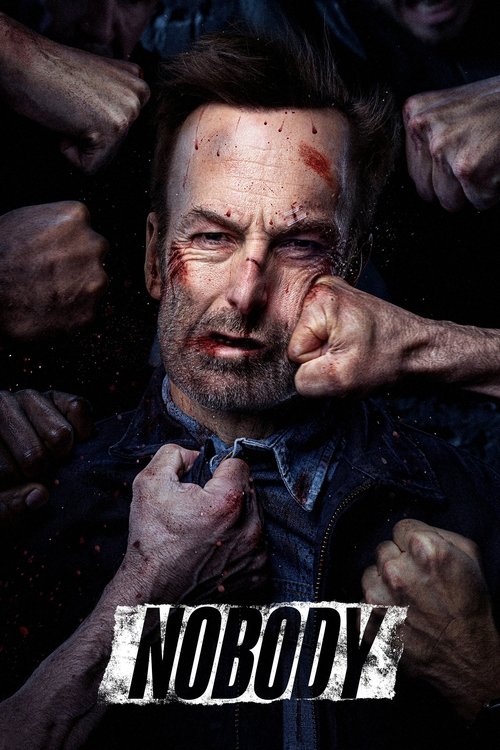
The central twist of "Nobody" is the revelation of Hutch's past. He is not just a former military man, but a highly dangerous 'auditor' for intelligence agencies, a cleaner sent to eliminate problems that couldn't be solved through official channels. His decision to leave that life was prompted by a moment of mercy; he let a target go and, a year later, saw that the man had built a happy, mundane life—the very life Hutch then sought for himself. This adds a layer of tragic irony to his character: he is fighting to protect a life that he adopted as an escape, a life that was never truly his own.
The ending reveals the extent of his connections. After the final bloody showdown where he, his father David (a retired FBI agent), and his adopted brother Harry (also a skilled operator) eliminate Yulian and his entire mob, Hutch is taken into police custody. However, he is quickly released without charge after his former handler, 'The Barber' (Colin Salmon), makes a call, indicating he is still a protected asset. The final scene shows Hutch and Becca house-hunting. Hutch receives a call and asks the realtor if the new house has a basement, implying he is officially back in the 'game' and will now balance his family life with his violent work. A mid-credits scene confirms the family business is back in operation, showing David and Harry driving an RV full of weapons, ready for the next mission.