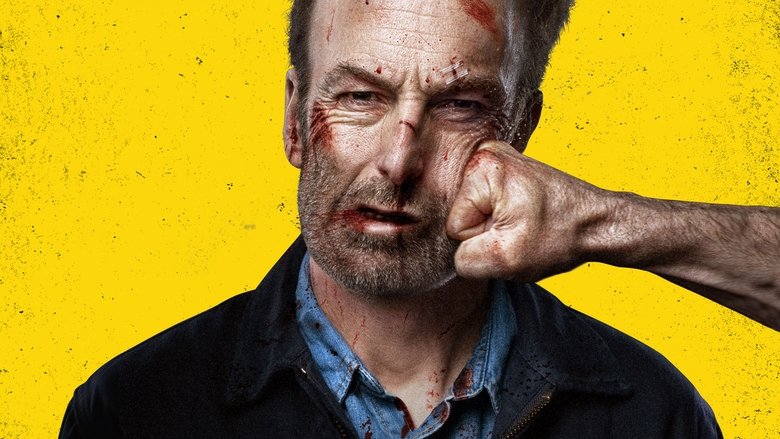
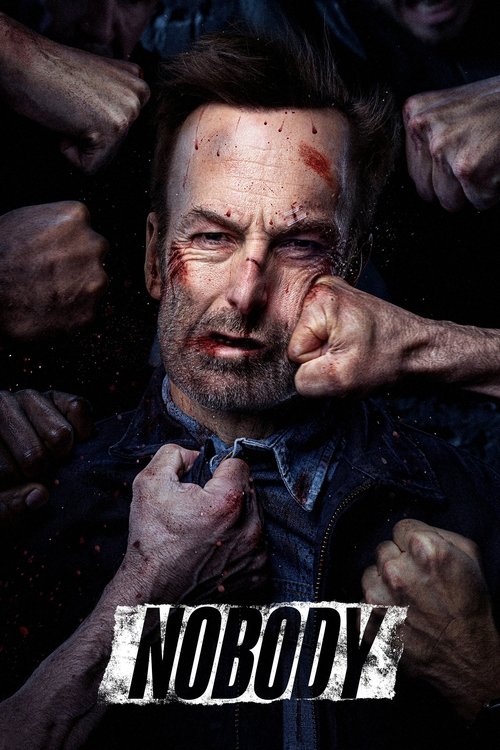
"Never underestimate a nobody."
Nobody - Symbolism & Philosophy
Symbols & Motifs
The Kitty-Cat Bracelet
The bracelet symbolizes Hutch's last tangible connection to his daughter and the innocence he is trying to protect. It represents the violation of his family's safety and the specific, personal injustice that pushes him over the edge. It's the 'last straw' that unleashes his repressed rage.
After the home invasion, Hutch's daughter, Sammy, discovers her kitty-cat bracelet is missing. This realization is the catalyst for Hutch's mission, leading him to track down the thieves and, subsequently, re-engage with his violent past. The phrase 'Give me the goddamn kitty-cat bracelet' becomes a recurring, almost iconic line.
The Repetitive Daily Routine
The opening montage, showing Hutch performing the same mundane tasks day after day (making coffee, missing the garbage truck, taking the bus), symbolizes the soul-crushing monotony and emasculation of his suburban life. It visually represents the cage he has built for himself, from which he desperately needs to escape.
The film opens with a cleverly edited sequence that establishes Hutch's cyclical and unfulfilling existence. This routine is abruptly shattered after the home invasion, marking the end of his 'nobody' persona and the beginning of his violent reawakening.
The Bus
The public bus serves as the arena for Hutch's rebirth. It's a contained space where his repressed violence is unleashed for the first time. It represents the collision of his mundane world with his brutal past, a space where the 'nobody' violently reasserts his identity.
Seeking a fight after failing to find it with the initial burglars, Hutch boards a bus and confronts a group of violent Russian thugs. The ensuing fight is brutal, messy, and cathartic, serving as the film's first major action set piece and the point of no return for Hutch.
Van Gogh's 'Bedroom in Arles' Painting
The painting is believed to symbolize a desire for peace, tranquility, and comfort. By taking it from the Russian mob's headquarters, Hutch is ironically seizing a symbol of the peaceful life he tried to live but could never fully embrace, all while in the midst of extreme violence. It reflects his own internal conflict and his yearning for a tranquility that his nature denies him.
During his assault on the Russian mafia's headquarters, Hutch takes the time to steal a copy of Van Gogh's painting. He protects it throughout the ensuing chaos, and it is seen with him, splattered in blood, when he is finally arrested.
Philosophical Questions
Can a person truly change their fundamental nature?
The film explores this question through Hutch's character. He spends years actively suppressing his violent past to become a family man, believing he can change who he is. However, the narrative suggests that one's core identity is immutable. The slightest provocation awakens the 'auditor' within him, and he not only returns to his old ways but seems more fulfilled by them. The ending implies he will now try to balance his two lives rather than choosing one, suggesting that true change is impossible, and one can only hope to manage their inherent nature.
Is violence a justifiable means of self-actualization?
"Nobody" presents Hutch's violent rampage as a form of catharsis that allows him to break free from his suffocating, mundane life. He feels more alive, respected, and even more connected to his wife after embracing his violent self. The film refrains from explicitly condemning his actions, instead presenting them as a necessary, albeit brutal, path for him to reclaim his agency. This raises the question of whether destructive behavior can be a valid, or even necessary, tool for personal growth and finding one's purpose, especially when society's prescribed 'peaceful' path leads to quiet desperation.
Core Meaning
"Nobody" explores the theme of repressed identity and the societal pressure on masculinity. Director Ilya Naishuller and writer Derek Kolstad present a story about a man who has willingly caged his true, violent self to fit into the mold of a suburban husband and father. The film questions whether a person can ever truly escape their innate nature. Hutch's journey is a violent catharsis, a desperate attempt to reclaim a sense of agency and respect in a world that has rendered him invisible. It serves as a dark fantasy for anyone who has felt overlooked and powerless, suggesting that sometimes the most dangerous person is the one you don't notice. The film also delves into the concept of addiction, with Hutch being addicted to the violence and adrenaline of his past life.