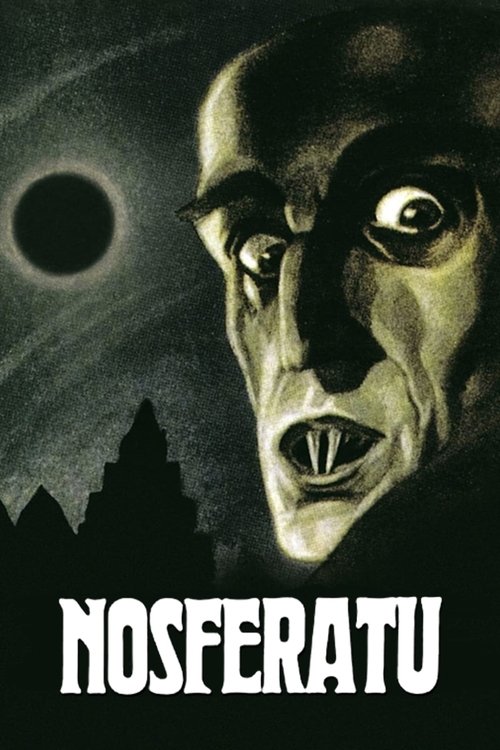
Nosferatu, eine Symphonie des Grauens
"A symphony of horror."
Nosferatu - Easter Eggs & Hidden Details
Easter Eggs
Occult and alchemical symbols on the real estate contract
Producer Albin Grau, an ardent occultist, sneaked authentic Enochian letters (the esoteric language of angels) and alchemical sigils into the real estate contract signed by Count Orlok, embedding genuine mystical elements into the film's props.
Hyenas instead of wolves
When Hutter is frightened by the howling of 'wolves' in the woods, the animal actually shown on screen is a striped hyena. Murnau likely chose a hyena inspired by Alfred Kubin's artwork, which depicted hyenas as vampires devouring cadavers, adding a grotesque, unnatural layer to the scene.
The Skeleton Clock's design
The macabre skeleton clock in Orlok's castle is a subtle nod to the medieval artistic genre of 'Danse Macabre' (Dance of Death), reinforcing the film's pervasive theme of inescapable mortality.