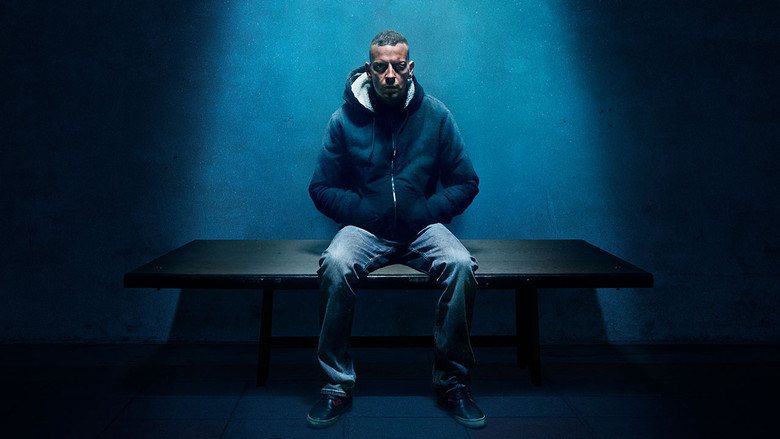
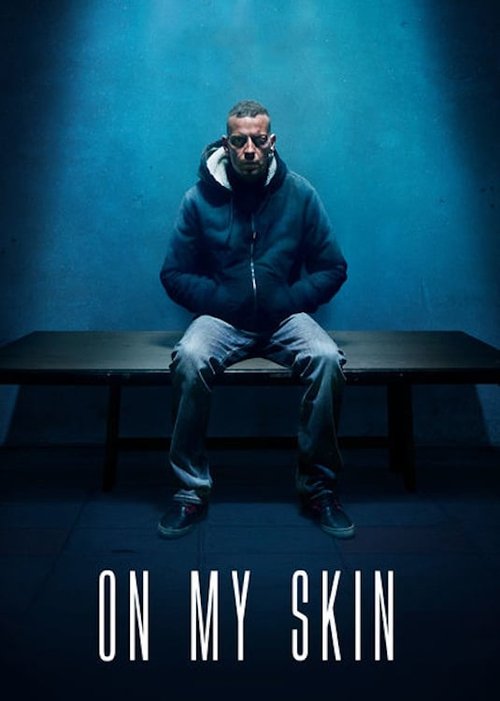
Sulla mia pelle
"The last seven days of Stefano Cucchi"
On My Skin - Symbolism & Philosophy
Symbols & Motifs
Stefano's Emaciated and Bruised Body
Stefano's body is the central, horrifying symbol of the film. Its progressive decay serves as a physical record of the violence inflicted upon him and the neglect he suffers. The shocking post-mortem photographs of his emaciated and battered body, which his family released to the public, were a crucial catalyst in the real-life case. In the film, his body is the undeniable evidence, the 'testimony on his skin' that refutes the official narrative of a fall or natural causes.
Throughout the film, the camera focuses on Stefano's deteriorating state: the darkening bruises around his eyes, his fractured spine making it impossible to sit, and his dramatic weight loss. The final shots of his family viewing his corpse in the morgue are a devastating confirmation of the truth they had been denied.
Closed Doors
Closed doors symbolize the secrecy, denial, and bureaucratic barriers that define Stefano's experience. The most pivotal door is the one behind which he is beaten, a deliberate choice by the director to make the audience feel the same uncertainty and powerlessness as Stefano. Other closed doors—of prison cells, interrogation rooms, and offices—represent his isolation and the institutional refusal to see or acknowledge his suffering.
The film deliberately omits the scene of the beating, instead showing the Carabinieri leading Stefano into a room and closing the door. Later, his family is constantly met with closed doors and bureaucratic refusals when they try to visit him, physically representing the system's impenetrability.
The Refusal of Food and Water
Stefano's refusal to eat or accept medical treatment, like a fluid drip, symbolizes his loss of will and his final, desperate attempt to exert some control over his own body. It is a passive protest born of fear and pain, but it is misinterpreted by the system as mere stubbornness, further contributing to his medical decline. It highlights the breakdown of trust between the individual and the state that is supposed to care for him.
In several scenes in the prison hospital, medical staff note Stefano's refusal to cooperate with treatment. He hides under his blanket, shutting out the world. This is not depicted as a rational decision, but as the reaction of a man broken physically and psychologically, unable to trust those around him.
Philosophical Questions
Where does responsibility lie in a systemic failure?
The film meticulously explores how a tragedy can occur not through one single evil act, but through a chain of individual choices to remain passive. No single person, apart from the attackers, is solely responsible for Stefano's death. Yet, the prison guard who doesn't press for the truth, the doctor who doesn't challenge the patient's fearful lie, and the judge who processes the case without alarm are all complicit. The film forces the viewer to question the nature of guilt and responsibility. Is inaction a form of violence? It suggests that in a dehumanizing bureaucracy, the diffusion of responsibility can have lethal consequences.
What is the value of a human life when it is in the hands of the state?
Stefano is arrested for a relatively minor crime, yet he is handed a death sentence by the system. The film raises profound questions about the social contract. Once an individual is in state custody, the state assumes absolute responsibility for their well-being. "On My Skin" depicts a horrifying inversion of this principle, where custody becomes a death sentence. Stefano's humanity is systematically stripped away; he becomes an object to be processed, a problem to be ignored. The film asks the audience to consider the fundamental rights of prisoners and the moral obligations of those who hold power over them.
Core Meaning
The core meaning of "On My Skin" is a powerful denunciation of institutional indifference, abuse of power, and the dehumanization of individuals within the justice system. Director Alessio Cremonini sought to shed light on a story of profound injustice, focusing not on the sensationalism of violence, but on the systematic failure of every person and protocol that Stefano Cucchi encountered. The film is a J'accuse—an accusation—against a bureaucracy that is "incapable of facing its responsibilities." By meticulously reconstructing Stefano's final days based on thousands of pages of case documents, the film forces the audience to bear witness to a preventable tragedy, arguing that human dignity and rights should be inviolable, even for those accused of a crime. It carries the message that silence and procedural apathy can be as deadly as physical violence, and it stands as a tribute to his family's relentless fight for truth.