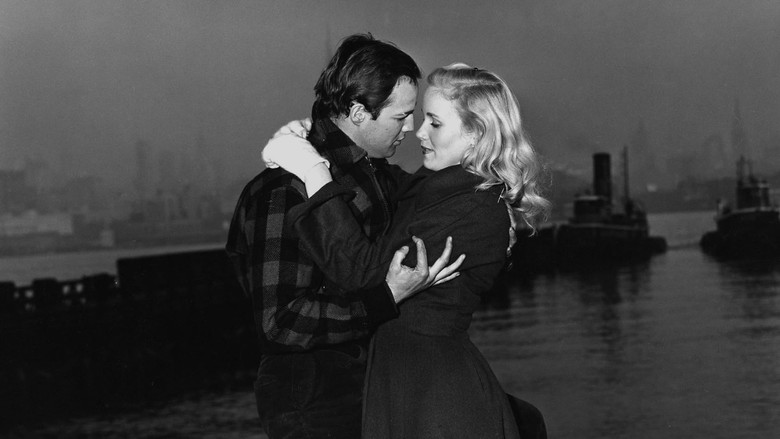

The plot of "On the Waterfront" is driven by Terry Malloy's decision to testify against his corrupt union boss, Johnny Friendly. The central twist is Terry's confession to Edie that he was directly involved in her brother Joey's murder, having lured him to the rooftop where Friendly's thugs were waiting. This revelation shatters their burgeoning romance and marks the point of no return for Terry, forcing him to choose a side definitively. The narrative's turning point comes when Friendly orders Terry's brother, Charley, to silence him. In the famous taxi cab scene, Charley cannot bring himself to kill his brother and instead expresses deep regret for having ruined Terry's boxing career. For this failure, Friendly has Charley murdered and hung by a hook, an act that finally propels Terry to seek true revenge not with a gun, but in the courtroom.
Terry's testimony successfully implicates Friendly. However, the climax reveals the cost of this action. When Terry shows up for work, he is ostracized by the other longshoremen, who see him as a "stoolie." He confronts Friendly, leading to a brutal one-sided fight where Friendly and his goons beat Terry nearly to death. The ending's hidden meaning lies in the aftermath of the fight. The dockworkers, witnessing Terry's suffering and his refusal to be defeated, are finally moved to defy Friendly. Urged on by Father Barry and Edie, the bloodied Terry staggers to his feet and walks, alone and unaided, into the shipping garage, symbolizing his moral victory and reclaiming of his dignity. The other workers then follow him, leaving Friendly powerless and abandoned on the pier. The victory is not one of physical strength, but of moral endurance, revealing that true power lies in the collective will of the workers, awakened by one man's incredible sacrifice.