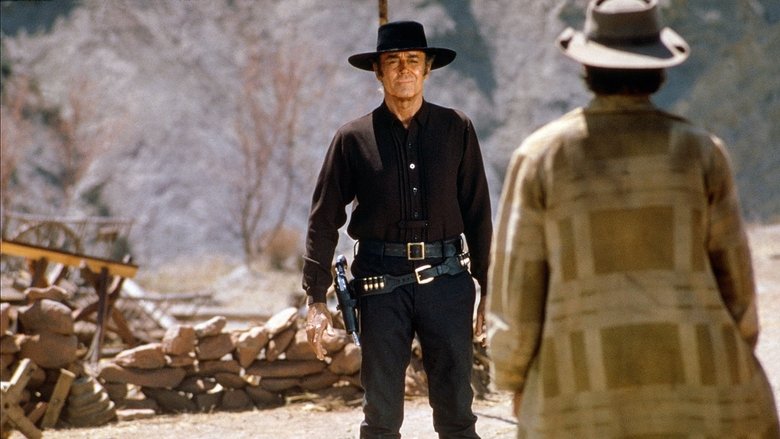
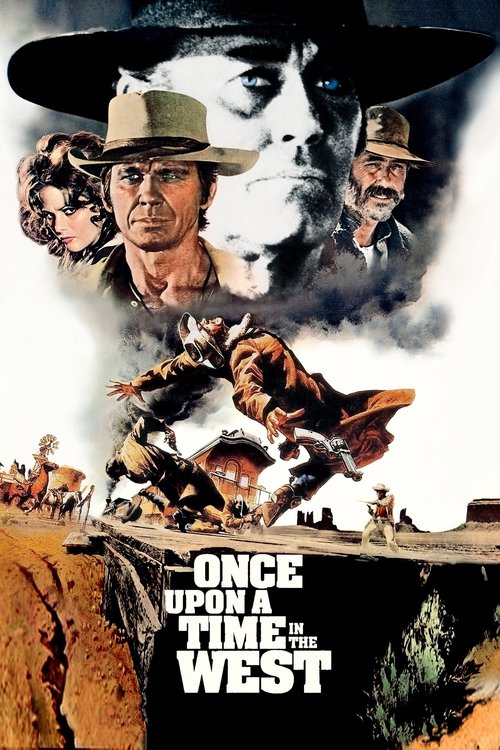
The central mystery of "Once Upon a Time in the West" is the identity of Harmonica and the reason for his relentless pursuit of Frank. This is withheld until the film's climax. During their final duel, a flashback reveals the source of Harmonica's trauma: as a boy, he was forced by Frank to support his older brother on his shoulders while the brother had a noose around his neck. To add to the sadistic cruelty, Frank shoved a harmonica into the boy's mouth, telling him to "keep your lovin' brother happy." The boy eventually collapsed, causing his brother to be hanged. This revelation re-contextualizes the entire film; Harmonica is not just an enigmatic gunman, but the survivor of an unspeakable horror, and his quest is one of deeply personal, righteous vengeance. The harmonica is not just a musical instrument but the very symbol of his suffering and motivation.
Another key plot point is the true reason for the McBain family's murder. It wasn't a random act of outlaw violence, as Frank tries to frame it, but a calculated move in a corporate takeover. Brett McBain had foreseen that the railroad would need to pass through his land because it contained the only water source for miles. He planned to build a station and a town, profiting from the railroad's arrival. Railroad baron Morton hired Frank to intimidate McBain, but Frank, wanting the land for himself, murdered the family instead. This plot twist reveals the film's core theme: the violent clash between the old West of personal dreams (McBain) and the new West of ruthless capitalism (Morton and Frank).
Cheyenne's fate is also a poignant turn. Despite his intimidating reputation, he proves to be an honorable man who protects Jill. He dies not in a blaze of glory but quietly, from a stomach wound he received off-screen during the gunfight on Morton's train. His death, like Harmonica's departure, symbolizes the end of the outlaw era. He acknowledges he isn't the man for the new world Jill is building before he succumbs, reinforcing that men of his "ancient race" have no future.