カメラを止めるな!
"Don't Stop Shooting!"
One Cut of the Dead - Symbolism & Philosophy
Symbols & Motifs
TheCamera
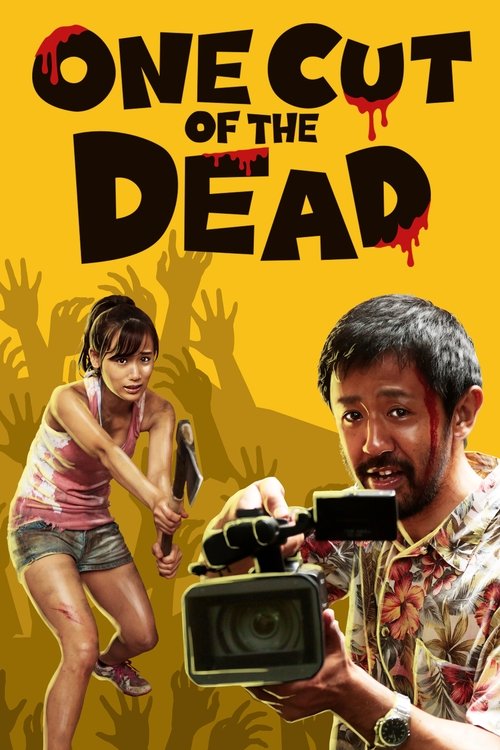
Thecamerarepresentsthepersistenceoftheartisticvisionandtheabsolutenecessitytokeepmovingforward.Itembodiesthefilm'sJapanesetitle, KameraoTomeruna!(Don'tStoptheCamera!)[1.2].
Throughout the film, keeping the camera rolling is the ultimate goal, driving the characters to absurd and heroic lengths, even when the operator passes out or the equipment literally breaks.
The Human Pyramid
It is a literal and figurative manifestation of teamwork, support, and the collective effort required to create art. It symbolizes the crew and family coming together to uplift the final product.
When the camera crane is broken before the final, crucial aerial shot, the cast and crew scramble to form a human pyramid, allowing the cameraman to capture the ending just as the broadcast runs out of time.
The Blood Pentagram
Initially appearing as a generic, cheesy horror movie trope used to summon the undead, it later becomes a symbol of hitting one's mark and the meticulous (yet chaotic) planning of the production.
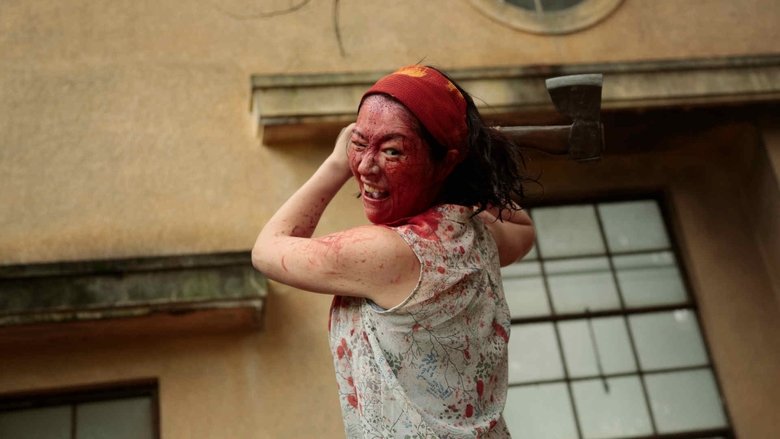
In the final moments of the one-take film, Chinatsu must stand exactly on the pentagram to finish the scene. It anchors the wild improvisation back to the original script's required ending.
Philosophical Questions
What constitutes 'reality' in art and media?
The film plays constantly with layers of reality. We watch a fictional broadcast that purports to be 'real' within its own universe, only to pull back the curtain and show the manufactured, chaotic reality behind it [2.6]. It asks the audience to question how much of the media we consume is a carefully constructed illusion masking a frantic, messy truth.
Does the end justify the means in the creative process?
The fictional director Higurashi terrorizes his actors to get genuine reactions, mirroring the toxic traits of real-life demanding auteurs. The film asks whether achieving 'authentic' art is worth the psychological and physical stress placed on the collaborators, ultimately contrasting this with the real director's path of supportive, albeit chaotic, teamwork to achieve success.
Core Meaning
At its core, One Cut of the Dead is a joyous, triumphant declaration of love for the art of filmmaking and the unsung heroes who make it happen. Director Shin'ichirō Ueda uses the framework of a B-movie zombie flick to strip away the glamour of cinema, revealing the messy, stressful, and chaotic reality of production. The film argues that the true magic of cinema doesn't lie in flawless execution or big budgets, but in the passion, teamwork, and sheer willpower of a crew refusing to give up. Furthermore, it carries a touching message about familial reconciliation, illustrating how shared creative struggles can bridge the gap between a father and his estranged, perfectionist daughter, ultimately showing that art is a collaborative, human endeavor built on compromise and heart.