The film's climax reveals that Peppino’s death was not a suicide or an accident, as the corrupt authorities initially claimed. He was beaten and then tied to the railway tracks with TNT to frame him as a failed left-wing terrorist. A crucial 'twist' is the death of his father, Luigi, in a mysterious car accident; the film implies that once Luigi was no longer alive to 'guarantee' his son's safety, the Mafia felt free to eliminate Peppino. The ending reveals that the omertà was finally broken not by a bullet, but by the thousands of people who attended Peppino's funeral, transforming a private execution into a public awakening.
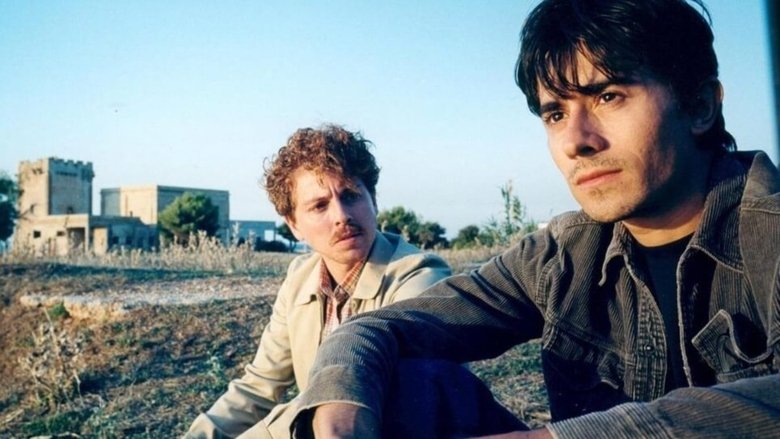
A visceral political odyssey where the sun-drenched Sicilian landscape becomes a battlefield of voices, contrasting the soaring hope of 'Volare' with the crushing weight of a hundred silent, fatal steps.
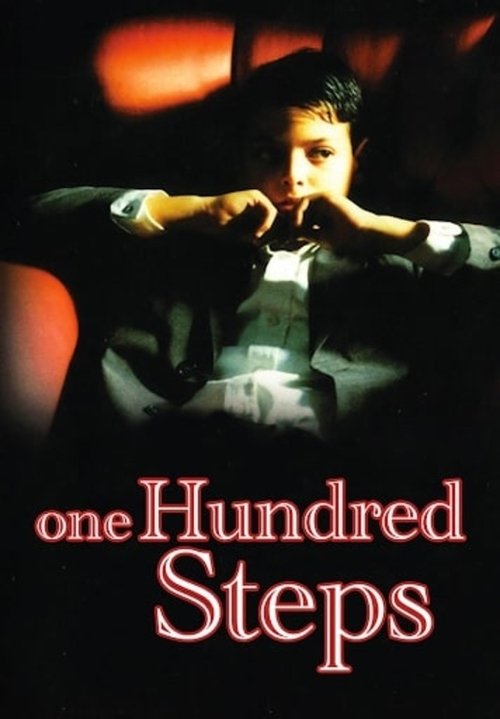
One Hundred Steps
I cento passi
01 September 2000
Italy
114 min
7.8
(715)
Director: Marco Tullio Giordana
Cast: Luigi Lo Cascio, Luigi Maria Burruano, Lucia Sardo, Paolo Briguglia, Tony Sperandeo
Drama
History
Rebellion and Anti-Mafia Activism
The Generational Gap and Family Conflict
The Power of Language and Irony
Omertà vs. Free Speech
Box Office:
$1,805,884
One Hundred Steps — Ending Explained
⚠️ Spoiler Analysis
Alternative Interpretations
Some critics have proposed an Oedipal reading of the film, suggesting that Peppino's rebellion against the Mafia is primarily a subconscious struggle to 'kill the father' (Luigi) and assert his own identity. In this view, the Mafia is merely the clothing for a more primal generational and psychological conflict. Another interpretation focuses on the film as a hagiography, noting that it simplifies Peppino's complex, sometimes abrasive political personality into a more digestible, saint-like figure of martyrdom to appeal to a broader audience.
Explore More About This Movie
Dive deeper into specific aspects of the movie with our detailed analysis pages