"Save one life, save the world."
One Life - Symbolism & Philosophy
Symbols & Motifs
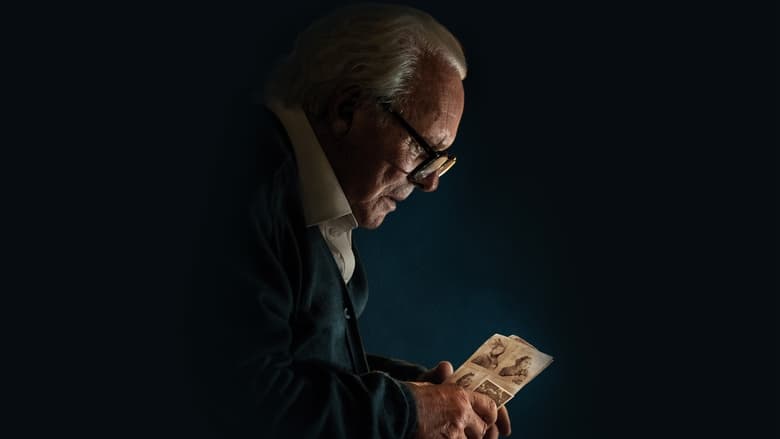
The Scrapbook
It represents the tangible proof of existence. For Winton, it is a ledger of debt and loss; for the world, it is a monument of salvation. Its weight (physical and metaphorical) anchors the 1988 timeline.
Kept in a locked drawer, carried in a worn leather briefcase, and finally opened by Esther Rantzen on national television.
The Swimming Pool
A place of reflection and cleansing. The water offers a silent space where the noise of the world and the clutter of the office fade away, symbolizing Winton's internal state.
Winton is frequently seen cleaning his pool or staring into it; it is where he retreats when the memories become too loud.
Dark Chocolate
A symbol of human connection and innocence amidst despair. It is a small luxury that bridges the gap between the well-off Englishman and the refugee children.
Young Nicky gives a piece of dark chocolate to a refugee girl in the camps, a gesture that breaks the ice and cements his resolve to help.
The Whistle
The sound of finality and separation. It marks the irreversible moment of departure where safety begins but family bonds are severed.
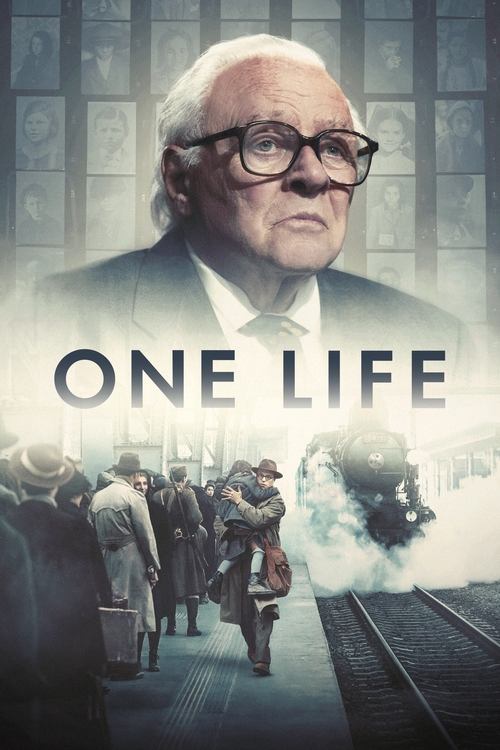
Used prominently during the train station sequences in Prague, signaling the heartbreaking moments when parents must let go of their children's hands.
Philosophical Questions
Does the value of a life diminish if you cannot save everyone?
The film explores this through Winton's obsession with the "ninth train." Despite saving 669 children, he is haunted by the 250 he lost. The film argues that while the loss is tragic, it does not negate the value of the lives saved—challenging the utilitarian view of heroism.
What is the responsibility of the ordinary citizen in times of atrocity?
Nicky is not a person of great power or influence; he is a stockbroker. The film posits that the responsibility to act lies not with those who can easily do so, but with those who see the need. "I have seen it, so I must act" is the film's categorical imperative.
Is an act of goodness complete if it remains secret?
Winton kept his story hidden for 50 years. The film asks whether the public acknowledgment of the act was necessary for the act's completion, or if it was necessary only for Winton's own psychological healing.
Core Meaning
The film posits that ordinary decency is a radical force. It challenges the "Great Man" theory of history by showing that heroism is often bureaucratic, tedious, and collaborative rather than solitary and action-packed. Ultimately, it explores the persistence of guilt in the face of partial success—suggesting that saving hundreds can still feel like failure if one focuses on the thousands lost, until the living proof of one's impact is undeniably presented.