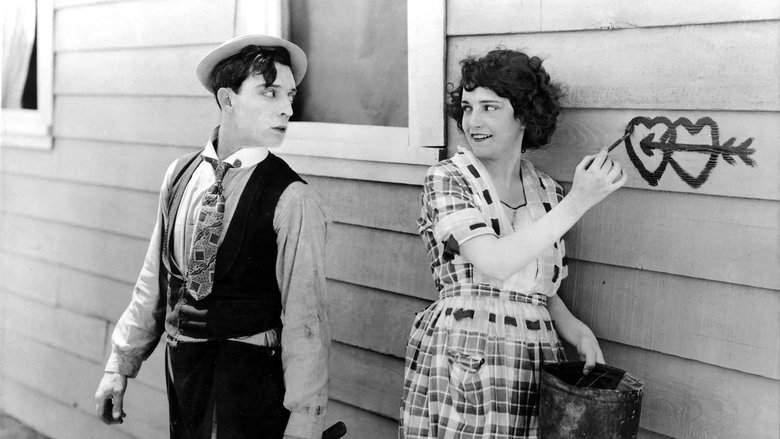
The central twist in "One Week" is the revelation of the cause of the disastrous home construction: the bride's spurned suitor, Handy Hank, has sabotaged the building kit by renumbering the boxes. This act of petty revenge transforms a simple, orderly task into an exercise in surrealist chaos. The house that results is an architectural impossibility, with a slanted foundation, a revolving second story, and doors and windows in all the wrong places. This initial act of sabotage is the comedic engine that drives the entire film.
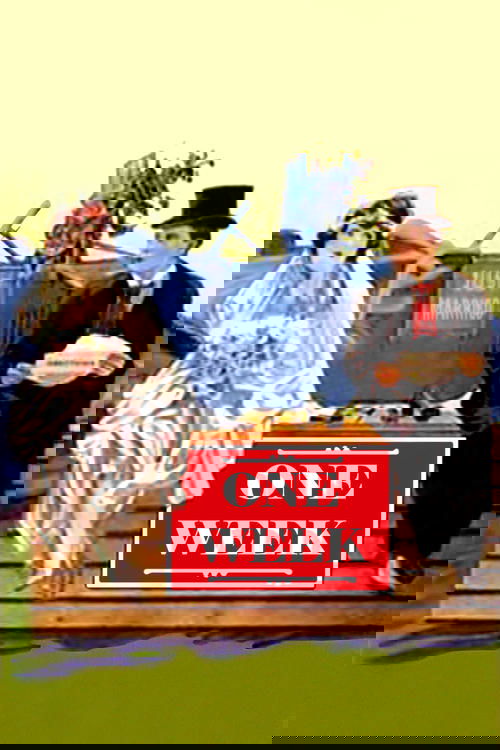
After a week of slapstick misadventures, including a chaotic housewarming party that is interrupted by a storm that spins the entire house on its foundation, the couple discovers they have built their bizarre home on the wrong lot. Their attempts to move the structure lead to the film's climactic sequence. They manage to get the house onto rollers but it becomes stuck on a set of railroad tracks. An oncoming train approaches, and the couple resigns themselves to the inevitable destruction. In a brilliant comedic fake-out, the train passes on an adjacent track, leaving the house untouched. The couple, and the audience, breathe a sigh of relief. However, this relief is short-lived as a second train immediately appears from the opposite direction and smashes the house to smithereens. The final shot shows Keaton placing a "For Sale" sign on the pile of rubble, along with the building instructions, before he and his bride walk off arm-in-arm, their dream of a home literally derailed but their partnership intact.