オーバーロード
Overlord - Symbolism & Philosophy
Symbols & Motifs
The Name and Flag of Ainz Ooal Gown
The guild name and its flag symbolize Ainz's past, his connection to his friends, and his sole remaining purpose. It represents a legacy he feels compelled to uphold and a beacon in the dark, a desperate hope that by making the name famous, he might reunite with other players from Yggdrasil.
Ainz discards his original name, Momonga, and adopts the guild's name in Season 1. This act signifies his acceptance of his new role and his primary motivation. The flag is raised in conquered territories, not just as a symbol of domination, but as a constant, public call to any of his former friends who might be in this world.
The Great Tomb of Nazarick
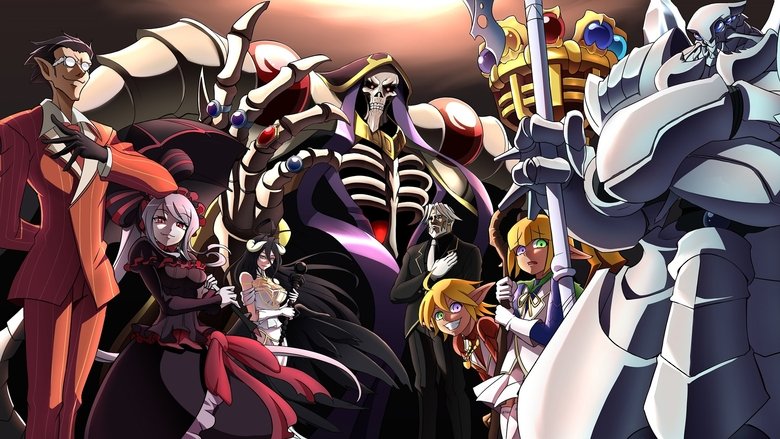
Nazarick is more than just a fortress; it is a physical manifestation of the guild's collective effort and creativity. It symbolizes home, legacy, and the last remnant of the world Ainz lost. It is the one place where the memory of his friends feels tangible and alive through their creations, the NPCs.
Throughout the series, Ainz's top priority is the protection and preservation of Nazarick. His most extreme and violent actions are often motivated by perceived threats to the tomb or its inhabitants, such as the invasion by the workers in Season 3, which triggers his cold, unforgiving wrath.
Ainz's Undead Form (Skeleton)
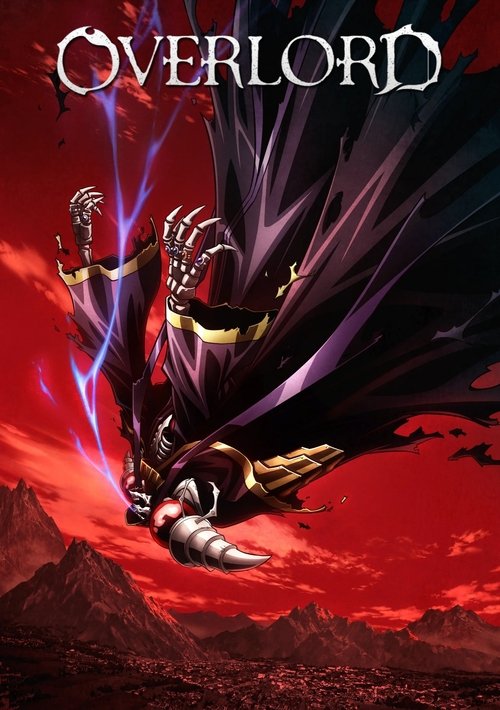
His skeletal form symbolizes the death of his human self, Suzuki Satoru, and his emotional detachment. It's a constant visual reminder of his monstrous nature and his inability to feel strong emotions, which both helps and hinders his rule. It represents the ultimate loss of his humanity.
Ainz's physical form dictates many of his actions and interactions. His emotional suppression skill is frequently triggered, forcing him into a state of calm rationality even in moments of rage or potential panic. This is a recurring element from the very first episode when he realizes he is trapped.
Philosophical Questions
Does absolute power inevitably corrupt?
The series explores this question through its protagonist, Ainz. Initially, he is a regular person with a human conscience. However, his god-like power and the unconditional adoration of his followers slowly erode his human morality. His undead nature literally suppresses strong emotions, making it easier for him to commit atrocities. The series doesn't provide a definitive answer but suggests that power, combined with a loss of human connection and emotional capacity, creates a path where monstrous actions become logical and even necessary steps to achieve one's goals.
What defines 'humanity' or 'sentience'?
"Overlord" presents the NPCs of Nazarick, who were once simple game data, as fully sentient beings with complex emotions, ambitions, and unwavering loyalty. Ainz grapples with this, viewing them as the children of his lost friends. The series forces the audience to consider what makes a person 'real'. Are the NPCs less 'human' than the inhabitants of the New World, even though they are often more complex and driven? It blurs the line between artificial and natural life, suggesting that consciousness and emotion are the true markers of being, regardless of origin.
Is there such a thing as objective morality?
The narrative constantly shifts perspectives, showing that 'good' and 'evil' are often subjective. To the Lizardmen or the people of the Re-Estize Kingdom, Ainz is a force of pure evil. To the denizens of Nazarick, he is a benevolent, wise god, and their actions are righteous. The series avoids casting a final judgment, instead presenting a world where morality is defined by the powerful, and justice is simply the enforcement of their will.
Core Meaning
The core meaning of "Overlord" revolves around an exploration of power, identity, and the loss of humanity. The series posits what happens when an ordinary person is granted absolute, god-like power without any genuine checks or balances. It examines how a person's morality and identity can shift and erode when they are placed in a position of supreme authority, surrounded by beings who worship them unconditionally. Ainz's journey is a tragicomedy; his internal monologue reveals a regular man struggling with imposter syndrome and loneliness, while his external actions, often born from misunderstandings by his powerful subordinates, lead to horrific acts of conquest and slaughter. Ultimately, the series serves as a dark satire on power fantasies and the isekai genre itself, suggesting that unchecked power doesn't lead to heroism but to an inescapable, lonely path of monstrous tyranny, driven by the simple desire to protect the memory of a cherished past.