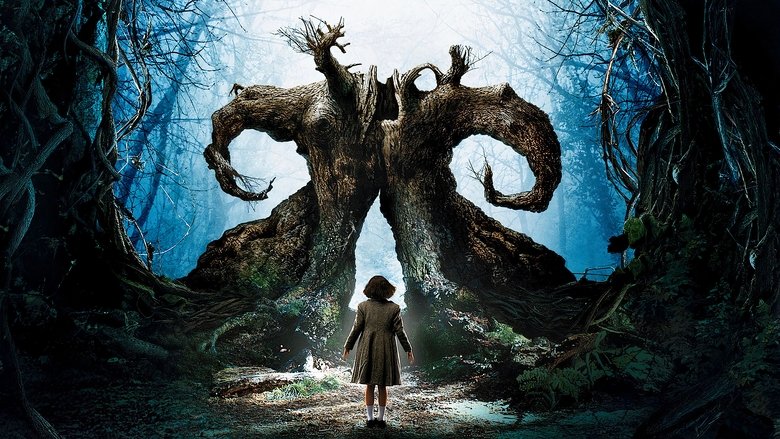
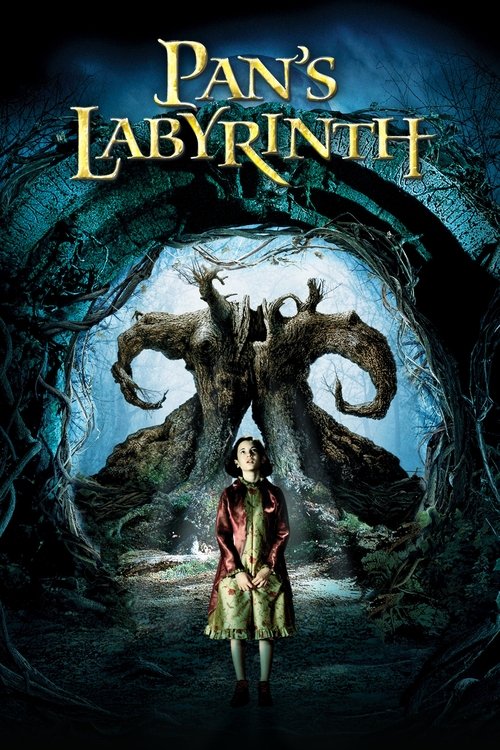
Pan's Labyrinth
A haunting dark fantasy woven into the brutal reality of the Spanish Civil War. Through the eyes of a young girl, it explores the cost of innocence and the power of disobedience against a backdrop of fascist oppression.
Pan's Labyrinth
Pan's Labyrinth

El laberinto del fauno

"Innocence has a power evil cannot imagine."

11 October 2006 Mexico 118 min ⭐ 7.8 (11,189)
Director: Guillermo del Toro
Cast: Ivana Baquero, Sergi López, Maribel Verdú, Ariadna Gil, Doug Jones
Drama War Fantasy
Disobedience vs. Blind Obedience The Brutality of War and Fascism Innocence and Childhood Femininity and Nature vs. Masculine Order
Budget: $19,000,000
Box Office: $83,258,226

Pan's Labyrinth - Ending Explained

⚠️ Spoiler Analysis

The Tragic Turn: The film does not have a typical happy ending. Ofelia's mother dies in childbirth. The Faun demands Ofelia sacrifice her baby brother to open the portal. Ofelia refuses, choosing to protect the innocent.

The Climax: Captain Vidal shoots and kills Ofelia. As she lies dying, her blood drips onto the altar. This sacrifice of her own blood (not the innocent baby's) satisfies the test. In the real world, Mercedes and the rebels execute Vidal.

The Transcendent Ending: Ofelia dies in the real world, but her spirit is shown returning to the Underworld as Princess Moanna, reunited with her parents. She rules wisely for centuries. The final shot shows a flower blooming on the dead fig tree, suggesting her sacrifice left a trace of magic in the world.

Alternative Interpretations

Real vs. Imagined: The most debated aspect is whether the magic is real or a hallucination of a dying girl.

  • The 'Real' Interpretation: Ofelia escapes to her true home. Evidence: The chalk door Mercedes sees, the mandrake root that cures the mother (and the mother worsening when it's burned), and the narrator's final words about the flower.
  • The 'Psychological' Interpretation: The fantasy is a coping mechanism for trauma. Ofelia retreats into her mind to deal with the horror of war. She dies at the end, and the 'throne room' is her brain releasing endorphins/hallucinations at the moment of death.
  • Del Toro's View: The director has stated he believes it is spiritually real, citing the fact that the adult Vidal cannot see the Faun as proof of his spiritual blindness, not the Faun's non-existence.