Kağıttan Hayatlar
Paper Lives - Symbolism & Philosophy
Symbols & Motifs
Paper and Garbage
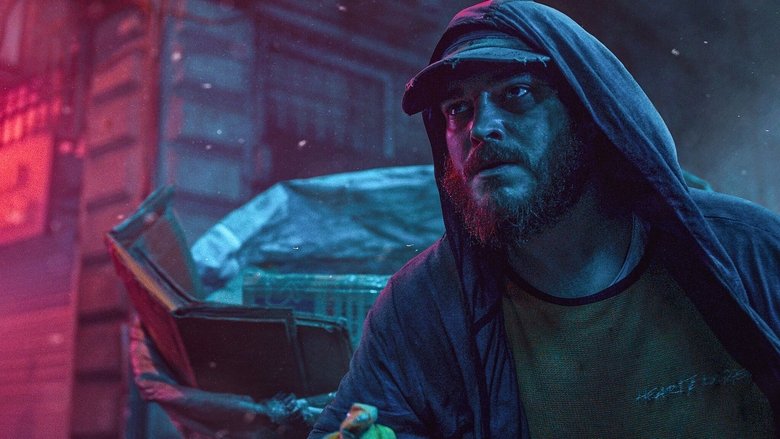
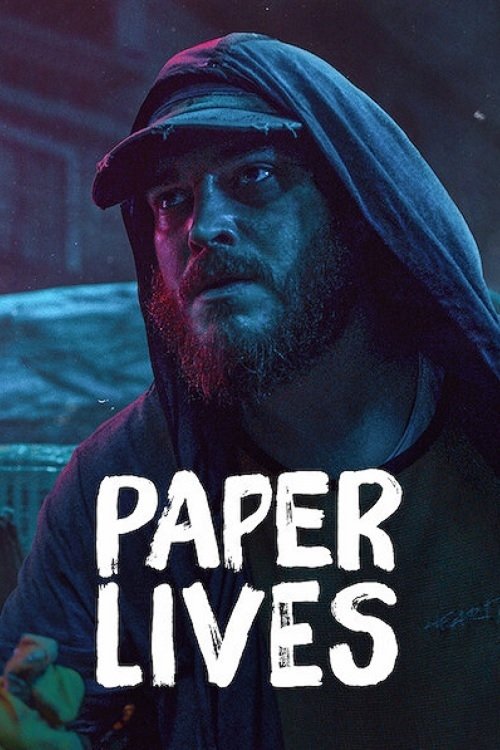
Paper and waste symbolize the discarded lives of Mehmet and the other street collectors. Just as they collect and recycle paper to give it new value, Mehmet tries to salvage the lives of homeless children. The title itself, "Paper Lives," refers to the fragility of their existence, as ephemeral and easily destroyed as paper.
This symbol is central to the film's setting and plot. Mehmet's entire life revolves around the waste warehouse. Ali, the embodiment of Mehmet's trauma, is discovered hiding in a garbage sack, literally emerging from the refuse of the past.
The Bucket List
Mehmet's bucket list represents his yearning for a normal life and his desire to reconnect with a past that has been denied to him. The most poignant item on the list is "Find your mother," which drives his psychological journey and underscores his deep-seated abandonment issues.
The list is shown early in the film, establishing Mehmet's motivations and foreshadowing the personal conflicts he will face. It is a tangible representation of his hopes and unprocessed grief.
Water
Water appears in moments of cleansing, bonding, and emotional release. It symbolizes both a baptismal attempt at renewal and the overwhelming nature of Mehmet's sorrow.
Key scenes involving water include the joyful water fight in the hammam (Turkish bath), where Mehmet and Ali share a moment of pure happiness, and Mehmet teaching Ali to swim at the beach. These moments of lightness contrast with the dark, rain-slicked streets of Istanbul where they work.
Philosophical Questions
Can you truly heal from childhood trauma, or does it permanently alter your reality?
The film explores this question through Mehmet's character. He is a functional adult who runs a business and is beloved by his community, yet his unresolved trauma ultimately consumes him, completely detaching him from reality. "Paper Lives" suggests that without confronting and processing deep-seated pain, trauma doesn't just linger but can actively rewrite a person's present, blurring the lines between memory and illusion until they are indistinguishable.
What is the social responsibility towards the 'invisible' people in our cities?
By focusing on the lives of paper collectors, the film forces the audience to see and acknowledge a marginalized community. It questions the collective indifference of society towards those living in poverty. Director Can Ulkay explicitly aimed to make viewers truly "see" these individuals they pass on the street every day. The film posits that these lives, like the paper they collect, have inherent value and that society has a moral failing in treating them as disposable.
Where is the line between compassionate protection and a damaging reenactment of one's own trauma?
Mehmet's actions are, on the surface, entirely selfless as he tries to protect Ali. However, the film reveals that this protection is a deeply personal and psychological act of trying to save himself. This raises the question of whether one can truly help another when their actions are driven by their own unresolved pain. Mehmet's journey suggests that such efforts, while born from a good place, can lead to a dangerous spiral inward, ultimately failing to heal the original wound.
Core Meaning
The core meaning of "Paper Lives" revolves around the profound and lasting impact of childhood trauma. The film poignantly illustrates how unresolved pain can fracture one's perception of reality, leading to a life haunted by ghosts of the past. Director Can Ulkay wanted to explore the lives of marginalized people, specifically Istanbul's paper collectors, and to represent them with dignity and empathy rather than pity. The film serves as a powerful metaphor for recycling human lives—suggesting that those who have been discarded by society can still find value and offer hope to others. Ultimately, it is a devastating exploration of mental illness born from abuse and abandonment, questioning the fine line between memory, imagination, and reality.