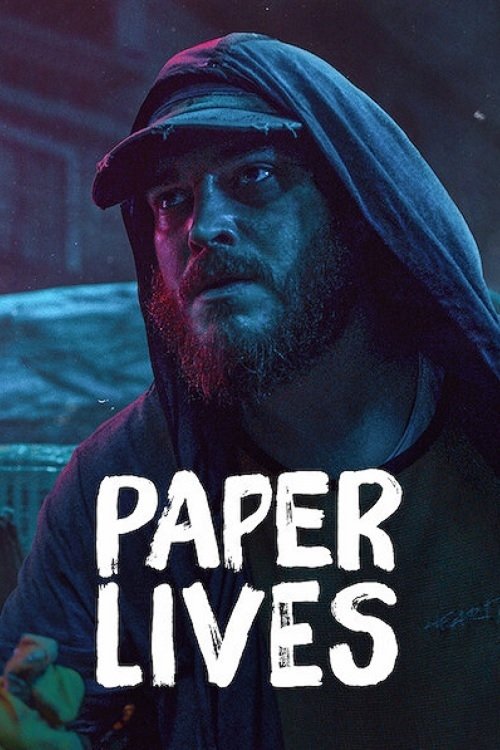
Paper Lives
A gritty, poignant drama unveiling the fragile lives haunting Istanbul's streets, where a man's compassion for a lost boy becomes a mirror to his own shattered past.
Paper Lives

Paper Lives

Kağıttan Hayatlar

12 March 2021 Turkey 96 min ⭐ 8.0 (396)
Director: Can Ulkay
Cast: Çağatay Ulusoy, Emir Ali Doğrul, Ersin Arıcı, Turgay Tanülkü, Selen Öztürk
Drama
Childhood Trauma and Mental Health Poverty and Social Invisibility Fatherhood and Atonement Memory and Reality

Overview

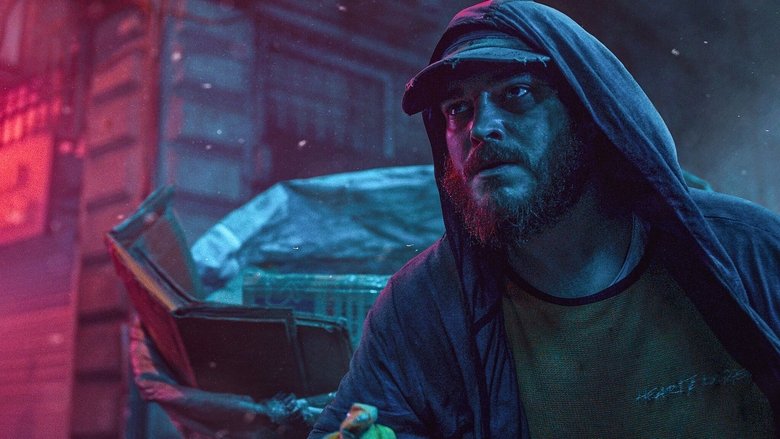
"Paper Lives" ("Kağıttan Hayatlar") is a Turkish drama set in the impoverished alleys of Istanbul. The story centers on Mehmet, a kind-hearted man who runs a solid waste warehouse, providing a lifeline for homeless children and teenagers by employing them as paper collectors. Having been a street child himself, Mehmet feels a deep empathy for their plight. His own life is fragile; he is critically ill with kidney failure and is desperately waiting for a transplant.

Mehmet's routine is upended when he discovers an eight-year-old boy, Ali, hiding in a garbage sack. Ali claims his mother hid him to protect him from an abusive stepfather. Feeling an immediate bond, Mehmet takes the boy under his wing, vowing to protect him and help reunite him with his family. This new responsibility forces Mehmet to confront his own deeply buried childhood trauma as his physical and mental health deteriorates.

Core Meaning

The core meaning of "Paper Lives" revolves around the profound and lasting impact of childhood trauma. The film poignantly illustrates how unresolved pain can fracture one's perception of reality, leading to a life haunted by ghosts of the past. Director Can Ulkay wanted to explore the lives of marginalized people, specifically Istanbul's paper collectors, and to represent them with dignity and empathy rather than pity. The film serves as a powerful metaphor for recycling human lives—suggesting that those who have been discarded by society can still find value and offer hope to others. Ultimately, it is a devastating exploration of mental illness born from abuse and abandonment, questioning the fine line between memory, imagination, and reality.

Thematic DNA

Childhood Trauma and Mental Health 40%
Poverty and Social Invisibility 25%
Fatherhood and Atonement 20%
Memory and Reality 15%

Childhood Trauma and Mental Health

This is the central theme of the film. Mehmet's present is entirely shaped by the abuse he suffered as a child at the hands of his stepfather and the trauma of being abandoned by his mother. His severe illness is mirrored by his psychological disintegration. The film culminates in the revelation that Ali is not a real child but a manifestation of Mehmet's own childhood self, a coping mechanism for his trauma. This twist recasts the entire narrative as a journey into Mehmet's fractured psyche, highlighting the devastating long-term effects of abuse on mental health.

Poverty and Social Invisibility

The film shines a light on the lives of Istanbul's paper collectors, a community that is ubiquitous yet unseen. It depicts their grueling work, their camaraderie, and their struggle for survival on the fringes of society. Mehmet's warehouse is a sanctuary for these forgotten people, particularly homeless youth. The film contrasts the gleaming, modern face of Istanbul with the grim reality of its backstreets, emphasizing the deep social and economic divides within the city.

Fatherhood and Atonement

Mehmet's relationship with Ali is a desperate attempt to become the father figure he never had. By protecting Ali, he tries to save the child he once was and rectify the failures of his own parents. His actions are a form of atonement, an effort to give Ali the happy, safe childhood that was stolen from him. This theme is made all the more tragic by the final reveal, as it shows he is trying to parent a memory, to heal a wound that can never truly be closed by re-enacting the past.

Memory and Reality

The film deliberately blurs the line between what is real and what is imagined. Until the final act, the audience is led to believe Ali is a real boy. However, subtle clues are dropped throughout, suggesting Mehmet's perception is unreliable. The narrative structure forces viewers to question the nature of memory and how trauma can cause a person to construct an alternate reality to survive unbearable pain. Gonzales' final voiceover confirms that Mehmet has lost the ability to distinguish imagination from reality.

Character Analysis

Mehmet

Çağatay Ulusoy

Archetype: Tragic Antihero
Key Trait: Damaged Empathy

Motivation

Mehmet's primary motivation is to heal his own childhood wounds by giving Ali the protection and love he never received. He is driven by a deep-seated need to confront his mother and understand his abandonment, a quest that fuels his psychological projection of Ali.

Character Arc

Mehmet begins as a compassionate, albeit ailing, caretaker for his community of paper collectors. When he finds Ali, he transforms into a fierce protector, driven by a need to save the boy. His journey is ultimately an internal one, as his physical decline mirrors his mental unraveling. The final revelation shows that his entire arc has been a psychological struggle to confront his own traumatic past, with his acts of kindness being a projection of his desire to save himself as a child.

Ali

Emir Ali Doğrul

Archetype: The Inner Child
Key Trait: Vulnerability

Motivation

As a projection, Ali's motivation is to force Mehmet to remember and confront his past. He embodies Mehmet's repressed pain, fear, and desire for maternal love.

Character Arc

Ali does not have a traditional character arc as he is not a real person. Instead, he functions as a physical manifestation of Mehmet's childhood trauma. He appears as a frightened, abused child and gradually opens up under Mehmet's care, allowing Mehmet to experience the childhood joy he missed. His outbursts and fears are direct representations of young Mehmet's own experiences.

Gonzales

Ersin Arıcı

Archetype: The Loyal Friend
Key Trait: Loyalty

Motivation

Gonzales' motivation is simple and pure: to protect and support his friend, whom he considers a brother. He senses something is wrong with Mehmet long before the truth is revealed.

Character Arc

Gonzales is Mehmet's steadfast and loyal best friend. He acts as Mehmet's anchor to reality, constantly worrying about his friend's declining health and erratic behavior. He tries to care for Mehmet and keep him grounded, but is ultimately unable to stop his friend's descent into his own mind. His final voiceover provides the tragic context for Mehmet's story, confirming the audience's suspicions about Ali.

Tahsin Baba

Turgay Tanülkü

Archetype: The Mentor
Key Trait: Wisdom

Motivation

His motivation is to look out for Mehmet, whom he has cared for for years. He offers guidance and serves as a moral compass for the community.

Character Arc

Tahsin is an elderly, respected figure who acts as a father figure to Mehmet. He provides wisdom and support, having taken Mehmet in when he was a boy. He represents a stable, benevolent presence in Mehmet's otherwise chaotic life, though he is largely on the periphery of the central psychological drama.

Symbols & Motifs

Paper and Garbage

Meaning:

Paper and waste symbolize the discarded lives of Mehmet and the other street collectors. Just as they collect and recycle paper to give it new value, Mehmet tries to salvage the lives of homeless children. The title itself, "Paper Lives," refers to the fragility of their existence, as ephemeral and easily destroyed as paper.

Context:

This symbol is central to the film's setting and plot. Mehmet's entire life revolves around the waste warehouse. Ali, the embodiment of Mehmet's trauma, is discovered hiding in a garbage sack, literally emerging from the refuse of the past.

The Bucket List

Meaning:

Mehmet's bucket list represents his yearning for a normal life and his desire to reconnect with a past that has been denied to him. The most poignant item on the list is "Find your mother," which drives his psychological journey and underscores his deep-seated abandonment issues.

Context:

The list is shown early in the film, establishing Mehmet's motivations and foreshadowing the personal conflicts he will face. It is a tangible representation of his hopes and unprocessed grief.

Water

Meaning:

Water appears in moments of cleansing, bonding, and emotional release. It symbolizes both a baptismal attempt at renewal and the overwhelming nature of Mehmet's sorrow.

Context:

Key scenes involving water include the joyful water fight in the hammam (Turkish bath), where Mehmet and Ali share a moment of pure happiness, and Mehmet teaching Ali to swim at the beach. These moments of lightness contrast with the dark, rain-slicked streets of Istanbul where they work.

Memorable Quotes

In a world where children are crying, laughter can only be cruel.

— Opening text

Context:

This line appears on screen at the very beginning of the film, framing the entire narrative as a commentary on childhood suffering and trauma.

Meaning:

This quote, which opens the film, sets the somber and poignant tone. It immediately establishes the movie's central theme: the suffering of innocent children and the injustice of a world that allows it. It suggests that any joy is tainted when such pain exists.

We tried to build a life out of other people's leftovers.

— Gonzales

Context:

Gonzales says this to Mehmet, reflecting on their lives and the world they inhabit as they work among the city's trash.

Meaning:

This line powerfully encapsulates the existence of the paper collectors. It speaks to their social and economic status, living off the refuse of a society that has discarded them. It highlights their resilience and their struggle to create meaning and community from nothing.

Don't be scared. I'm right here, okay?

— Mehmet

Context:

Mehmet says this to Ali multiple times throughout the film, especially during moments when Ali (and by extension, Mehmet's memory of himself) is frightened or having a traumatic flashback.

Meaning:

This quote is central to Mehmet's relationship with Ali. It is what he wishes someone had said to him as a child. In saying it to Ali, he is comforting his own inner child and attempting to rewrite his own history. Its repetition underscores his desperate need to provide the protection he was denied.

Philosophical Questions

Can you truly heal from childhood trauma, or does it permanently alter your reality?

The film explores this question through Mehmet's character. He is a functional adult who runs a business and is beloved by his community, yet his unresolved trauma ultimately consumes him, completely detaching him from reality. "Paper Lives" suggests that without confronting and processing deep-seated pain, trauma doesn't just linger but can actively rewrite a person's present, blurring the lines between memory and illusion until they are indistinguishable.

What is the social responsibility towards the 'invisible' people in our cities?

By focusing on the lives of paper collectors, the film forces the audience to see and acknowledge a marginalized community. It questions the collective indifference of society towards those living in poverty. Director Can Ulkay explicitly aimed to make viewers truly "see" these individuals they pass on the street every day. The film posits that these lives, like the paper they collect, have inherent value and that society has a moral failing in treating them as disposable.

Where is the line between compassionate protection and a damaging reenactment of one's own trauma?

Mehmet's actions are, on the surface, entirely selfless as he tries to protect Ali. However, the film reveals that this protection is a deeply personal and psychological act of trying to save himself. This raises the question of whether one can truly help another when their actions are driven by their own unresolved pain. Mehmet's journey suggests that such efforts, while born from a good place, can lead to a dangerous spiral inward, ultimately failing to heal the original wound.

Alternative Interpretations

While the film's ending provides a definitive explanation that Ali is a figment of Mehmet's imagination, some viewers initially interpret the relationship in other ways. One alternative reading, prior to the final reveal, is that the film is a straightforward, albeit tragic, story of found family. In this interpretation, Mehmet is a dying man who finds one last purpose in saving a real child, and his increasingly erratic behavior is simply the result of his physical illness and the stress of his situation.

Another subtle interpretation focuses not just on Ali as Mehmet's inner child, but sees the entire community of young paper collectors as Mehmet's surrogate children. His need to protect all of them stems from his trauma, and Ali is simply the most concentrated and personal manifestation of this impulse. From this perspective, the story is less about one specific hallucination and more about how a traumatized individual dedicates his entire life to preventing others from suffering his fate, making his final breakdown even more tragic.

Cultural Impact

"Paper Lives" had a significant cultural impact by bringing the hidden world of Istanbul's street collectors into the global spotlight. These individuals are a visible yet ignored part of the urban landscape, and the film gave them a narrative, fostering empathy rather than pity. It opened up conversations in Turkey and abroad about poverty, social inequality, and the plight of street children.

Critically, the film was praised for its powerful performances, particularly by Çağatay Ulusoy, and its poignant storytelling, though some critics found its melodramatic tone and twist ending divisive. For international audiences on Netflix, it served as an introduction to a grittier, more realistic side of Turkish cinema, moving beyond typical genre films. The movie's success further solidified Netflix's investment in Turkish productions, demonstrating a global appetite for authentic, localized stories. The film's exploration of mental health, stemming from childhood abuse, was also noted for its raw and devastating portrayal, contributing to a broader cultural discussion on the long-term effects of trauma.

Audience Reception

Audience reception for "Paper Lives" was largely emotional and positive, with many viewers deeply moved by the film's story and powerful performances. Çağatay Ulusoy's portrayal of Mehmet was widely praised as heartbreaking and immersive. Many viewers on social media and review platforms expressed that the film was a "tearjerker" that left a lasting impact. The final plot twist was a major point of discussion; many found it devastatingly effective and clever, completely changing their perspective on the entire film. However, a segment of the audience found the twist to be overly manipulative or confusing. Common points of criticism included the film's sometimes jarring tonal shifts between gritty drama and sentimental, uplifting scenes, which some felt created a sense of "tonal whiplash." Despite this, the overwhelming consensus from audiences was that it was a poignant and thought-provoking film that successfully shed light on important social issues.

Interesting Facts

  • The film was originally titled "Mücadele Çıkmazı," which translates to "Struggle Alley."
  • Lead actor Çağatay Ulusoy underwent a significant physical transformation for the role of Mehmet, gaining weight and appearing unkempt to realistically portray the character.
  • Director Can Ulkay and his team conducted detailed research by spending time with real paper collectors in Istanbul to ensure an authentic and dignified portrayal of their lives.
  • The film became one of the most-watched Turkish movies on Netflix shortly after its release in March 2021.
  • Çağatay Ulusoy was already a well-known star in Turkey, having played the lead in "The Protector," the first-ever Turkish Netflix Original series.

⚠️ Spoiler Analysis

Click to reveal detailed analysis with spoilers

Frequently Asked Questions

Explore More About This Movie

Dive deeper into specific aspects of the movie with our detailed analysis pages

Comments (0)

Leave a comment

No comments yet. Be the first to share your thoughts!