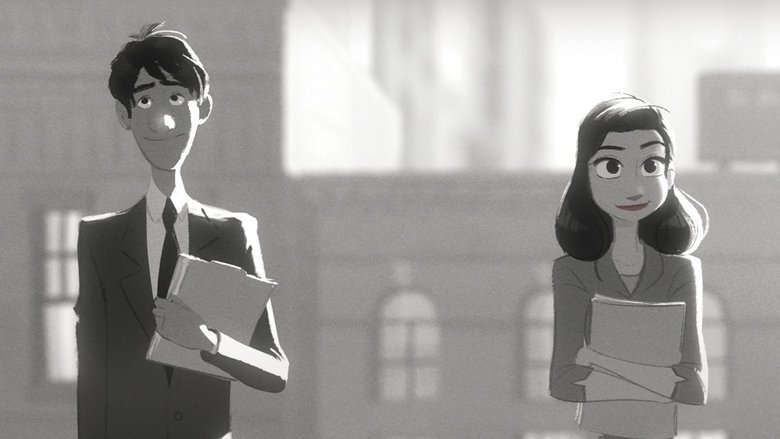
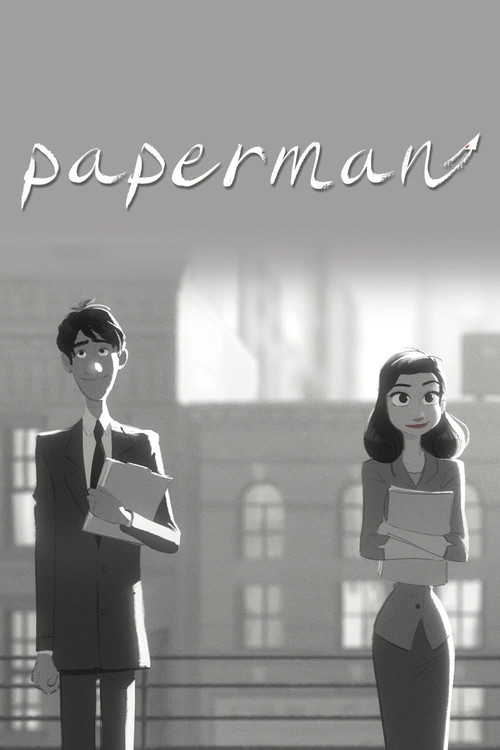
The entire narrative of "Paperman" hinges on a magical realist twist. After George exhausts all his paper and gives up hope, dejectedly leaving his office, the paper airplanes he threw away come to life. The lipstick-stained paper, which he had thrown in anger, initiates a magical chain reaction. All the failed airplanes peel themselves from where they landed and form a swirling vortex that chases George down the street.
This is the film's key reveal: the inanimate objects, imbued with George's desperate hope, have become sentient agents of fate. The swarm of papers forcibly pushes a confused George back towards the train station, literally covering him in his own discarded efforts. Simultaneously, the single lipstick-marked airplane flutters to find Meg, who has also left her office. Intrigued, she follows the persistent paper. The hidden meaning is that George's persistent, almost irrational hope was the catalyst for the magic. His will was so strong it animated the world around him. The ending sees both characters brought face-to-face on the same train platform where they first met, this time not by a random gust of wind, but by a concerted magical effort born from his desire to connect. They smile, realizing the extraordinary events that brought them together, and board the same train, implying the start of their relationship.