パプリカ
"This is your brain on anime."
Paprika - Symbolism & Philosophy
Symbols & Motifs
The Dream Parade
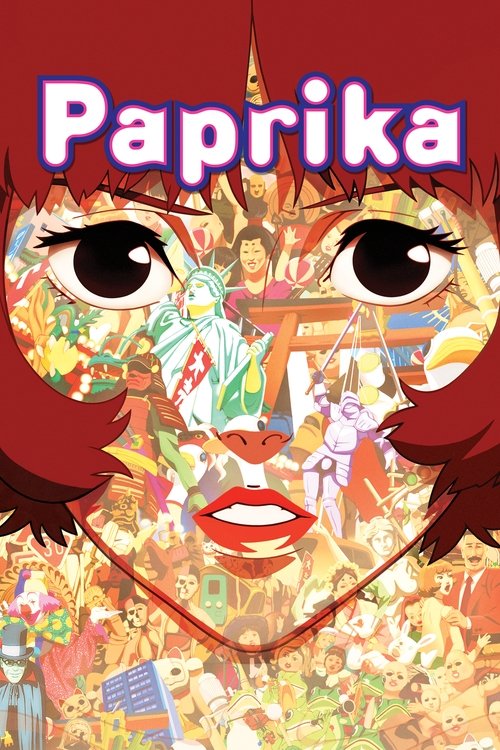
Symbolizes cultural decay, consumerism, and collective madness. It is a visual representation of how disparate subconscious thoughts, when untethered from reality, become a destructive, non-sensical force that flattens individuality.
It appears throughout the film as a growing procession of inanimate objects (refrigerators, dolls, shrines) that invades various characters' dreams and eventually the real world.
Blue Butterflies
Symbols of transformation and the soul. They represent the ephemeral nature of the dream detective and the fragile beauty of the subconscious mind.
Often seen around Paprika or used to signal transitions between dream layers; Paprika is later seen pinned to a table like a butterfly specimen.
Elevators
Represent the levels of the subconscious and, according to Jungian theory, sexual or repressed desires.
Detective Konakawa frequently dreams of an elevator where each floor represents a different cinematic genre or a different stage of his repressed memory.
Mirrors and Reflections
Symbolize the split psyche and the barrier between the waking world and the dream world.
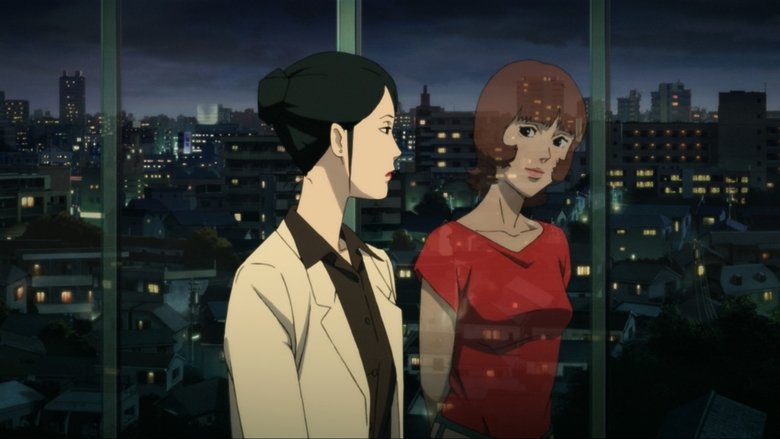
Atsuko and Paprika often communicate through reflections (windows, mirrors, puddles), emphasizing that they are two sides of the same soul inhabiting different planes.
Philosophical Questions
Can technology ever truly 'know' the human subconscious?
The film explores whether quantifying the soul through a device like the DC Mini inherently destroys its mystery, as argued by the Chairman, or provides a necessary tool for healing.
Where does the 'Self' end and the 'Mask' begin?
Through the duality of Atsuko and Paprika, the film asks if our repressed desires (Paprika) are more 'real' than our conscious personas (Atsuko).
Is collective escapism a form of social suicide?
The parade represents a society so desperate for escape that it willingly abandons reality, raising questions about the dangers of mass media and digital disconnection.
Core Meaning
The film explores the fragmentation of the human psyche in the digital age and the necessity of integrating one's repressed desires with their conscious reality. Director Satoshi Kon posits that dreams, like the internet or cinema, are essential vents for the human spirit, but warns against the total abandonment of reality for the sake of escapism. Ultimately, the film serves as a Jungian allegory for achieving "wholeness" by accepting all facets of the self, including those we find messy, irrational, or frightening.