
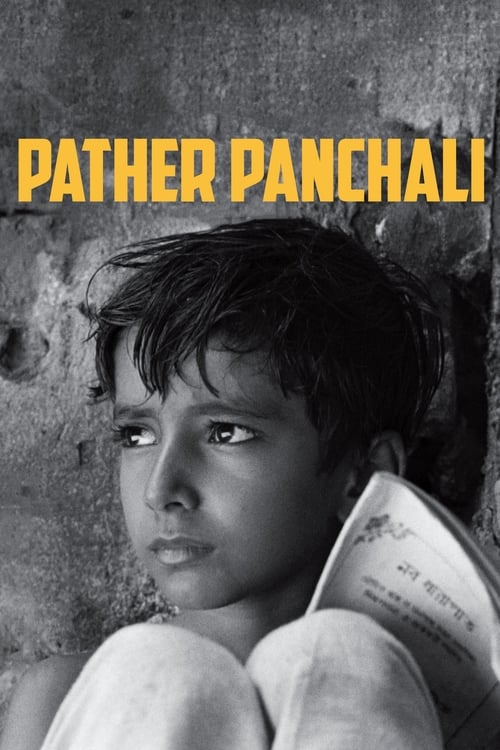
পথের পাঁচালী
Director: Satyajit Ray
Cast: Kanu Bannerjee, Karuna Banerjee, Chunibala Devi, Uma Das Gupta, Subir Banerjee
Pather Panchali — Movie Quotes
Memorable Quotes
Don't be anxious. Whatever God ordains is for the best.
Context
Harihar says this to Sarbajaya on multiple occasions when she expresses her worries about their dire financial situation and lack of prospects. It is his standard response to their struggles, showcasing his inability to take concrete action.
Meaning
This quote encapsulates Harihar's entire philosophy. It reflects his passive optimism and his tendency to defer responsibility to fate or divine will. While intended to be comforting, it highlights the stark difference between his idealistic worldview and Sarbajaya's pragmatic, anxious reality.
We'll go see the train when I'm better, all right? We'll get there early and have a good look. You want to?
Context
Durga says this to Apu from her sickbed as she suffers from a high fever during the monsoon. She is trying to comfort him and herself with the promise of a future adventure, tragically unaware that she is dying.
Meaning
This is a heartbreaking line filled with dramatic irony. It represents Durga's enduring hope and her simple, childlike desire to share a moment of wonder with her brother. The tragedy lies in the audience's awareness that this promise will never be fulfilled, making it a poignant expression of a life cut short.
Is she asleep?
Context
Apu asks this after Durga has died from her fever. He sees his sister lying motionless and, in his childlike innocence, cannot understand that she is gone forever.
Meaning
Apu's innocent question starkly illustrates his childhood inability to comprehend the finality of death. It is a devastatingly simple and realistic line that underscores the loss of innocence. It reveals that he is still a child who sees death as a form of sleep, a concept he cannot yet grasp.
Explore More About This Movie
Dive deeper into specific aspects of the movie with our detailed analysis pages