The film reveals through a brief encounter with Hirayama's sister, Keiko, that he comes from a wealthy, upper-class background. His current life as a toilet cleaner is a deliberate rejection of that world. The mention of their father suffering from dementia and Hirayama's refusal to visit him suggests a history of abuse or deep resentment that he has chosen to handle by distancing himself. The ending shot is an unbroken close-up of Hirayama driving as the sun rises, listening to Nina Simone's 'Feeling Good.' His face cycles through intense joy, sorrow, and relief, revealing that his simple life is not a result of a simple mind, but a complex, ongoing effort to choose happiness over the pain of his past.
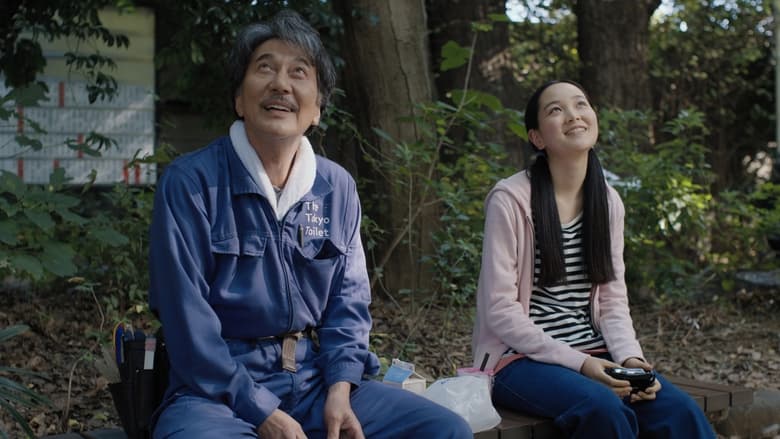
A meditative drama capturing the transcendent beauty within a janitor's repetitive routine. Vivid imagery of filtering sunlight and analog melodies evoke a profound emotional resonance, turning the mundane into a cinematic ritual of peace.

Perfect Days
PERFECT DAYS
"In a world of fleeting moments, find the beauty that lasts."
10 November 2023
Germany
124 min
7.8
(1,694)
Director: Wim Wenders
Cast: Koji Yakusho, Tokio Emoto, Arisa Nakano, Aoi Yamada, Yumi Aso
Drama
Komorebi and Impermanence
Solitude vs. Loneliness
The Beauty of Routine
The Digital-Analog Divide
Budget:
$14,000,000
Box Office:
$24,094,016
Perfect Days — Ending Explained
⚠️ Spoiler Analysis
Alternative Interpretations
Critics and audiences have debated whether Hirayama is truly happy or if his routine is a coping mechanism for profound trauma.
- The Buddhist Reading: Hirayama has reached a state of enlightenment, having shed his ego and past attachments.
- The Melancholic Reading: The final scene, where Hirayama cries while smiling, suggests he is desperately trying to hold onto his peace against a tide of deep-seated sadness and regret over his estranged family.
- The Social Critique: Some see the film as a romanticization of low-wage labor, while others view it as a critique of a society that renders essential workers like Hirayama invisible.
Explore More About This Movie
Dive deeper into specific aspects of the movie with our detailed analysis pages