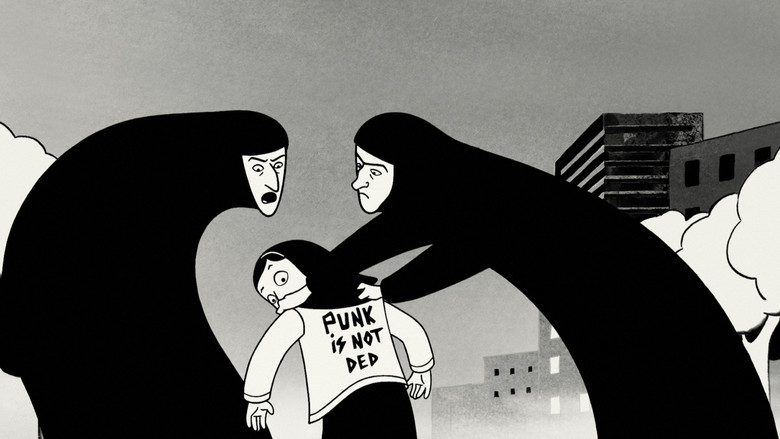
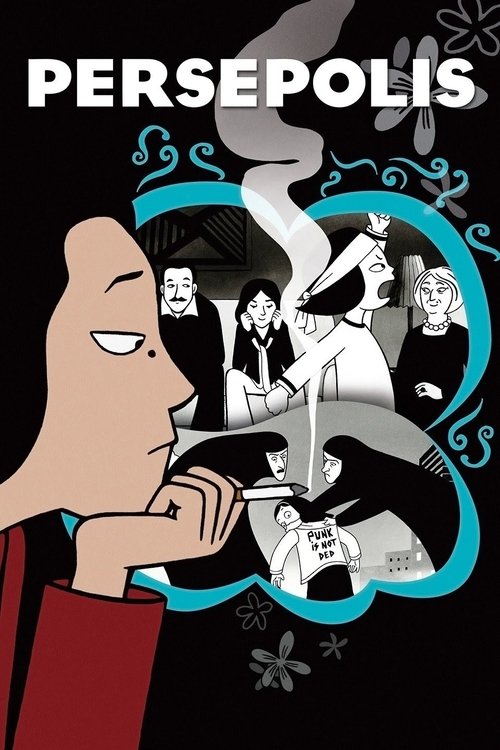
The narrative of "Persepolis" is framed by a scene at Orly Airport in Paris, where an adult Marjane is reflecting on her life, deciding not to board a plane back to Tehran. The film then unfolds as an extended flashback, detailing the events that led to this moment of decision. The central plot turns revolve around Marjane's cycles of departure and return, and her progressive disillusionment with both Iran and the West.
A key turning point is the execution of her beloved Uncle Anouche. He is the last political hero she believes in, and his death at the hands of the Islamic Republic marks the death of her childhood faith and her hope for the revolution. This is when she screams at God to leave her alone, a pivotal moment in her spiritual and emotional development. Her first departure to Vienna is not a choice but a necessity for her survival, an exile forced upon her by her parents' fear. Her experiences there, culminating in a failed relationship with her boyfriend Markus, homelessness, and a severe illness, reveal a crucial truth: freedom from political oppression does not guarantee happiness or a sense of belonging.
Upon her return to Iran, Marjane is deeply depressed and attempts suicide. Her survival and subsequent decision to re-engage with life, attend university, and get married to her boyfriend Reza are part of her attempt to fit back into Iranian society. However, her marriage quickly fails, and she realizes the societal constraints on her as a woman are unbearable. The final, crucial turn is her realization that she cannot live authentically in Iran. The ending reveals that her departure is not a flighty escape but a permanent, heartbreaking divorce from her homeland. Her mother's plea for her not to return underscores the finality of this decision. When she lands in Paris and states her name and origin as "Iran," it's a declaration that while she has left the country, its history and her identity are things she will carry with her forever, a synthesis only possible in exile.