"The film Iran didn't want the world to see."
Persepolis - Symbolism & Philosophy
Symbols & Motifs
The Veil (Hijab)
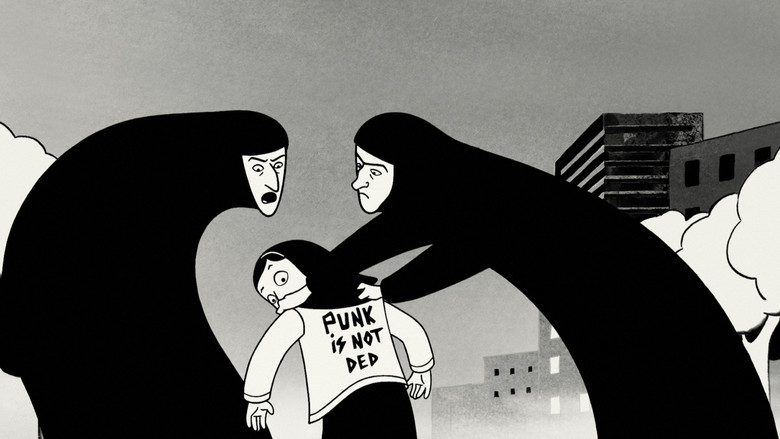
The veil symbolizes the oppression of the Islamic regime, particularly its control over women. It represents the loss of individuality, freedom, and modernity. For Marjane and her friends, it is initially a confusing and unwanted imposition, but it becomes a potent symbol of the regime's power and her rebellion against it. Showing a bit of hair becomes a small but significant act of defiance.
The film opens with the imposition of the veil in schools after the Revolution. It is a constant presence throughout the Iranian sections of the film. Marjane is frequently admonished by the Guardians of the Revolution for not wearing it properly. The difference in how women wear the veil also signifies their political leanings.
Bread Swan
The bread swan symbolizes hope, beauty, and the memory of Uncle Anouche's resilience. It represents the small acts of humanity and creativity that can exist even within the grim reality of a prison. It's a symbol of his spirit and the political ideals he fought for.
Uncle Anouche, while imprisoned, made a swan out of bread. He gives a second bread swan to Marjane just before he is executed. It is the last thing she has from him, and its memory is a source of both pain and inspiration for her.
Jasmine
Jasmine flowers symbolize the comfort, wisdom, and love of Marjane's grandmother. They are a sensory link to her memory and the values she instilled in Marjane: dignity and self-respect.
Marjane's grandmother would put jasmine flowers in her bra every day to smell nice. In a touching scene before Marjane leaves for Vienna, she sleeps with her grandmother, and jasmine petals fall around them, visually representing the grandmother's loving and protective presence.
Cigarette
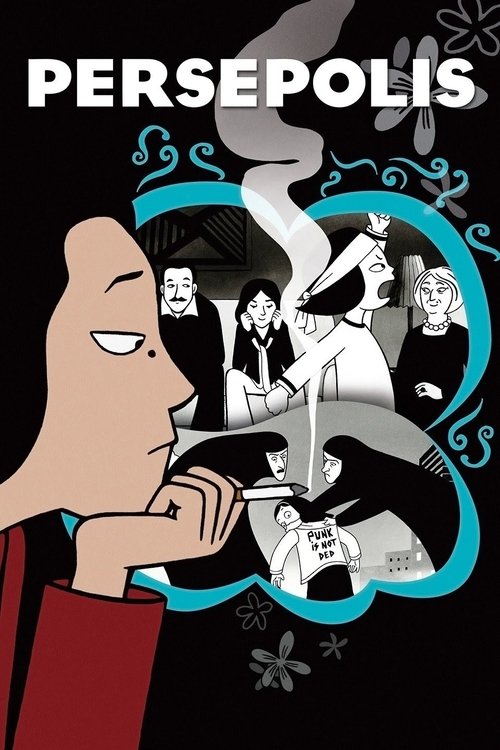
The cigarette represents a significant step in Marjane's coming-of-age and her embrace of rebellion. Smoking it is a symbolic act of defiance against her mother and the restrictive world she lives in, marking her transition from childhood to adolescence and her decision to live life on her own terms.
After a series of disillusioning events and feeling that her childhood is over, a 14-year-old Marjane secretly smokes a cigarette she stole from her uncle. She describes it as the symbolic end of her childhood and the beginning of her journey as an adult.
Philosophical Questions
What is the relationship between personal identity and national identity?
The film constantly explores this question through Marjane's life. Is she defined by her nationality, even when she rejects its ruling ideology? How much of her "Iranian-ness" does she carry with her in exile? "Persepolis" suggests that one's national identity is an inescapable part of the self, forged by language, family, and history, but that personal identity is a constant, conscious act of rebellion and self-definition against the restrictive labels that nationality can impose.
Can one truly be free when separated from their roots?
Marjane is sent to Europe to be safe and free, but she experiences profound alienation, depression, and a loss of identity. Her freedom in the West is complicated by loneliness and prejudice. Conversely, in Iran, she is with her family and culture but is severely oppressed. The film questions the nature of freedom, suggesting it is not merely the absence of political restraint but also a sense of belonging and purpose, which Marjane struggles to find in either world. Her final choice to live in exile is a pragmatic one, but the film leaves the question of her ultimate freedom ambiguous.
How do political events shape an individual's moral and spiritual development?
"Persepolis" directly links Marjane's moral and spiritual journey to the political events surrounding her. Her childhood faith in God is shattered by the execution of her uncle. Her sense of justice is forged by witnessing the hypocrisy and brutality of the new regime. The film argues that in a politically charged environment, morality is not an abstract concept but a series of daily choices and acts of defiance. One's character is not formed in a vacuum, but in direct response to the pressures and injustices of their society.
Core Meaning
At its heart, "Persepolis" is a powerful testament to the resilience of the human spirit in the face of political turmoil and cultural repression. Director Marjane Satrapi sought to provide a nuanced, personal perspective on Iran, challenging the simplistic and often negative stereotypes prevalent in the Western world. The film's core message is about the importance of retaining one's identity, integrity, and sense of self when confronted with oppressive ideologies. It explores the universal struggle for freedom and the idea that the personal is inextricably political. Through Marjane's journey, the film argues that one can be deeply connected to their homeland and culture while rejecting the oppressive regimes that may govern it. It is a story of remembrance, of holding onto one's roots while forging a path of individual freedom.