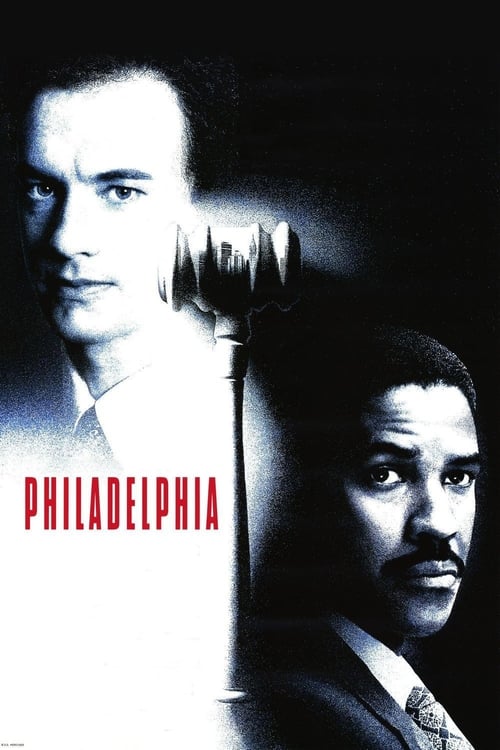
"No one would take on his case... until one man was willing to take on the system."
Philadelphia - Symbolism & Philosophy
Symbols & Motifs
The Opera Scene (La Mamma Morta)
Represents the raw, unmediated expression of suffering and the divine power of life. It serves as Andrew's spiritual escape from his decaying body.
In a pivotal scene bathed in red firelight, Andrew translates the aria for Joe, exposing his soul. The aria's lyrics about love amid death mirror Andrew's own reality, bridging the emotional gap between the two men.
The Law Library
Symbolizes the systemic isolation of the diseased. It is a public space where social contracts break down under the weight of stigma.
Andrew is relegated to a back table, eyed suspiciously by staff and patrons. This visual of exclusion is what finally compels Joe to take the case, recognizing the parallel to racial segregation.
The Mirror
Represents self-confrontation and the inescapable reality of the disease.
Demme frequently uses direct-to-camera close-ups and shots of characters looking into mirrors, forcing them—and the audience—to confront the truth without looking away.
Andrew's Sailor Suit
A political statement on the "Don't Ask, Don't Tell" era and a celebration of gay culture and joy amidst sorrow.
During a costume party, Andrew and his partner Miguel dance in full dress whites. It asserts their patriotism and humanity in the face of a country that rejects them.
Home Movies
Symbolize the innocence of childhood and the tragedy of a life cut short, serving as a stark contrast to the courtroom's coldness.
The film ends with grainy footage of Andrew as a healthy child, projected at his wake, reminding the mourners of the vibrant life that existed before the illness.
Philosophical Questions
Can the law compel morality?
The film explores whether legal victories can actually change hearts and minds. While Andrew wins the lawsuit, the question remains whether the prejudice that caused the firing has been truly eradicated or just legally penalized.
What is the difference between tolerance and acceptance?
Joe Miller moves from intolerance to tolerance and finally to acceptance. The film asks the audience to distinguish between merely allowing someone to exist (legal tolerance) and recognizing their humanity (moral acceptance).
Does the right to privacy supersede public health fears?
The central legal conflict revolves around Andrew's right to keep his illness private versus the firm's (prejudiced) claim that his condition affected his work and the safety of others.
Core Meaning
At its heart, Philadelphia is a plea for empathy over ignorance. Director Jonathan Demme utilized the conventions of a traditional courtroom drama to bring the AIDS crisis into mainstream American living rooms, humanizing victims who had been demonized or ignored. The film argues that discrimination based on fear is not just a legal violation but a moral failure, asserting that the "City of Brotherly Love" must extend its promise of liberty to all citizens, regardless of sexual orientation or health status.