The film's climax reveals that Jack Sparrow intentionally stole a piece of the Aztec gold to become immortal himself, allowing him to survive Barbossa's killing blow. This allows for the poetic justice where Jack shoots Barbossa at the exact moment Will drops the final coin (smeared with his blood) into the chest. Barbossa's curse is lifted just in time for him to feel the pain of the bullet and the final sensation of his own death. The ending also subverts expectations by having Elizabeth choose the 'pirate' Will Turner over the 'proper' Commodore Norrington, effectively rejecting her father's world for a life of freedom.
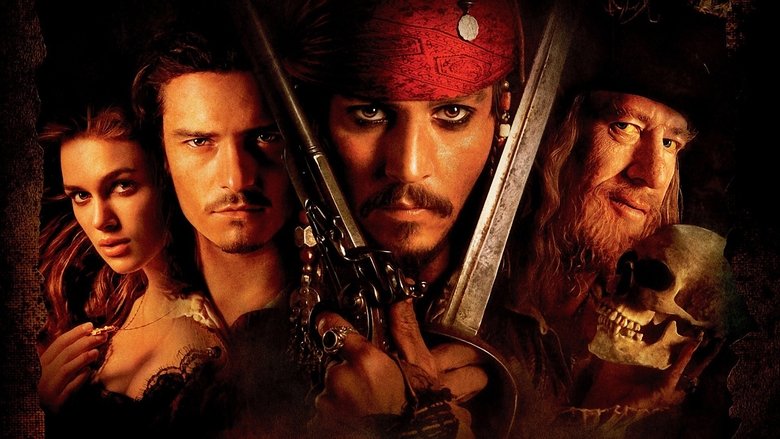
A swashbuckling fantasy epic where shimmering gold becomes a bone-chilling prison, blending the thrill of high-seas adventure with a ghostly dance under a blood-moon sky to capture the wild pulse of untamed freedom.
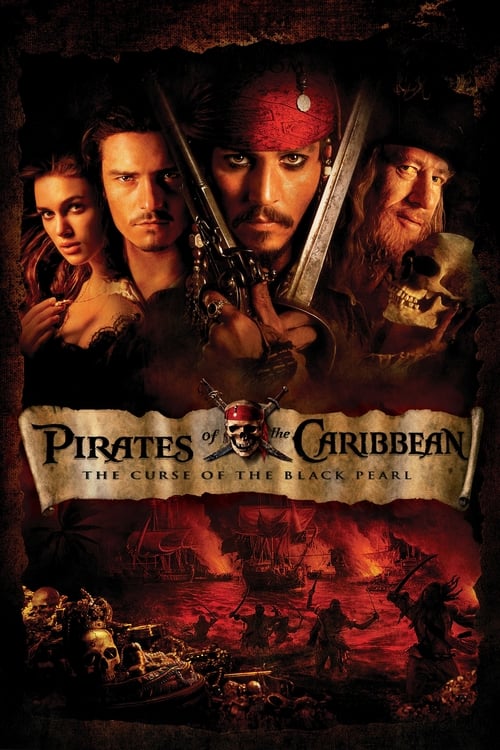
Pirates of the Caribbean: The Curse of the Black Pearl
"Prepare to be blown out of the water."
09 July 2003
United States of America
143 min
7.8
(21,659)
Director: Gore Verbinski
Cast: Johnny Depp, Geoffrey Rush, Orlando Bloom, Keira Knightley, Jack Davenport
Fantasy
Action
Adventure
Rules vs. Guidelines
The Price of Greed
Identity and Heritage
Freedom and the Sea
Budget:
$140,000,000
Box Office:
$655,011,224
Pirates of the Caribbean: The Curse of the Black Pearl — Ending Explained
⚠️ Spoiler Analysis
Alternative Interpretations
Critics have often discussed the film as a political allegory. One reading suggests it represents the struggle between the Leviathan (the British Empire's state power) and the Social Contract of the pirates, where Jack represents a form of radical individualism. Another interpretation focuses on the sexual symbolism of the corset and the sword, viewing the film as Elizabeth's coming-of-age journey through the reclamation of her own physical and metaphorical agency.
Explore More About This Movie
Dive deeper into specific aspects of the movie with our detailed analysis pages