Polisse - Symbolism & Philosophy
Symbols & Motifs
The Camera (Melissa's lens)
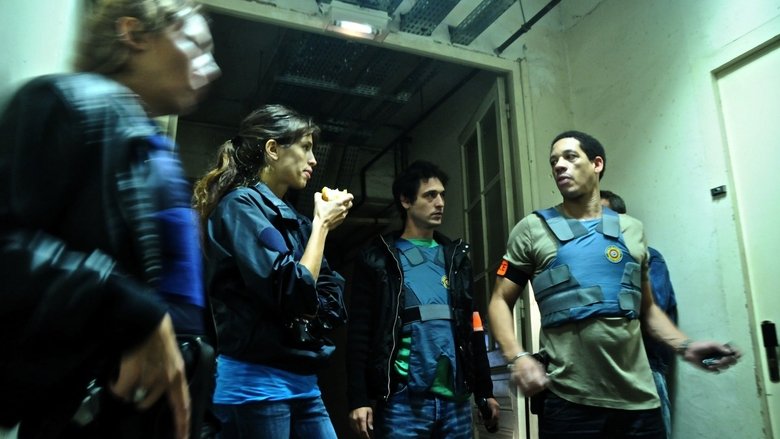
Symbolizes the objective observer versus the subjective participant. Melissa starts as a witness but eventually becomes emotionally entangled, representing how no one can remain neutral in the face of such work.
Used throughout the film as Melissa captures candid moments of the squad, often without them noticing, until the lines between her and the group blur.
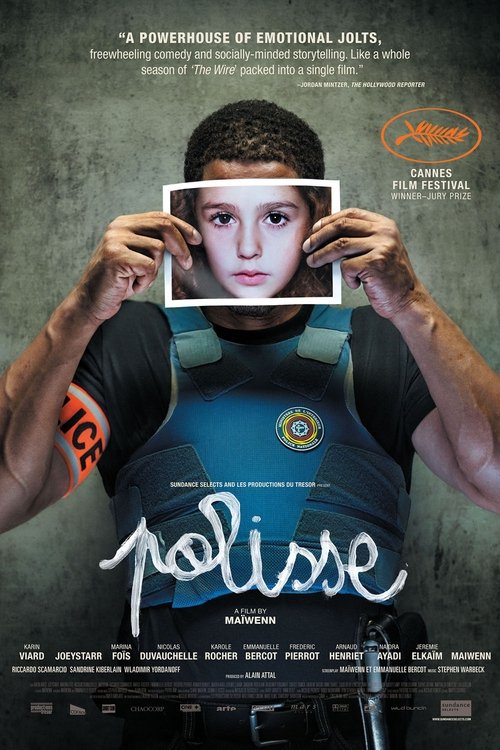
Polisse (The misspelling)
Represents the child's perspective and the innocence that the unit is trying to protect. It also sounds like 'Peau Lisse' (Soft Skin), alluding to the vulnerability of children.
The title appears on screen in a child's handwriting, setting the tone for a film about childhood trauma seen through an adult lens.
Dancing
A metaphor for release, freedom, and the temporary expulsion of the 'toxins' gathered during work hours.
The scene where the squad goes clubbing and dances to 'Stand on the Word' serves as a rare moment of pure, unadulterated joy amidst the misery.
Philosophical Questions
Can empathy be a liability?
The film questions whether a police officer can effectively do their job if they feel too much. Fred's rage and Iris's collapse suggest that a 'thick skin' is necessary for survival, but a lack of empathy makes the officer a 'machine' rather than a protector.
Is humor moral in the face of tragedy?
The officers' uncontrollable laughter during disturbing testimonies is portrayed as a psychological release rather than malice, raising questions about how humans process horror and whether 'inappropriate' humor is a valid coping mechanism.
Core Meaning
The core of Polisse lies in the exploration of the emotional cost of empathy. Maïwenn argues that there is no 'bulletproof vest' for the soul when dealing with the suffering of children. The film suggests that while the officers are often viewed as heroes, they are deeply flawed humans struggling to maintain their sanity in a world where the boundary between professional duty and personal life is constantly eroded. The title itself—a child's misspelling of 'police'—serves as a reminder that the world of law enforcement is inextricably linked to the fragile, often broken world of childhood innocence.