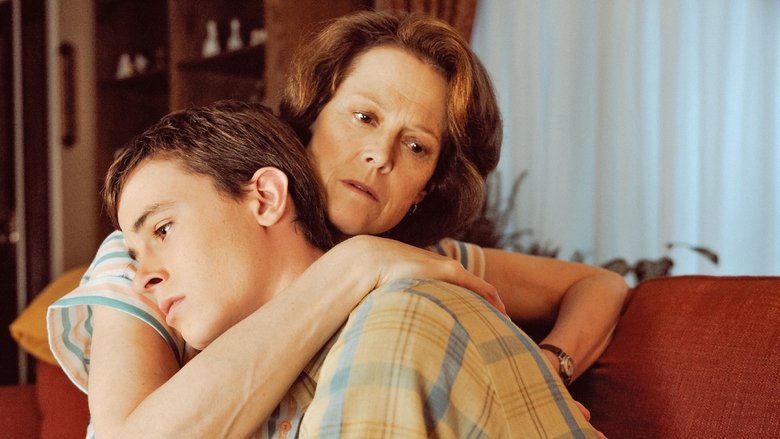
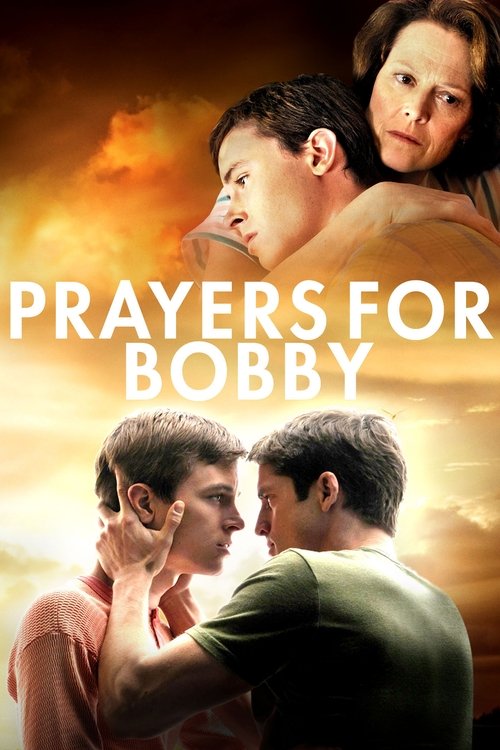
"Prayers for Bobby" is structured in two distinct acts, pivoted by the suicide of Bobby Griffith. The first act details Mary Griffith's relentless attempts to "cure" her son's homosexuality through prayer, therapy, and emotional pressure. Despite Bobby's pleas for acceptance and his clear emotional distress, Mary's final words to him before he leaves for good are, "I will not have a gay son." This rejection, combined with internalized religious guilt and a feeling of hopeless isolation, directly leads to the story's central tragedy: Bobby jumps from a freeway overpass into the path of a truck, killing himself.
The second act is a detailed exploration of the aftermath and Mary's profound transformation. The key plot turn is Mary discovering Bobby's diary. Reading his words, she is forced to confront the immense pain and self-hatred her actions caused him. This revelation shatters her self-righteous certainty and sends her into a spiral of guilt. Her journey of redemption begins when she seeks out Reverend Whitsell of the Metropolitan Community Church, who gently challenges her rigid interpretation of the Bible. He encourages her to attend a PFLAG meeting, where she finally finds a community of parents who love and accept their gay children. This is the turning point. The hidden meaning that becomes clear is that Mary's crusade was never truly about God, but about her own fear and ignorance. The film's climax is not a dramatic confrontation, but Mary's quiet, powerful epiphany: "I know now why God didn't heal Bobby. He didn't heal him because there was nothing wrong with him." The ending sees Mary's full transformation as she becomes a vocal advocate for gay rights, marching in a pride parade and giving a televised speech where she takes responsibility for her son's death and implores other parents to choose love over dogma. Her final act of hugging a young stranger at the parade, a boy who reminds her of Bobby, symbolizes her commitment to offering the acceptance she denied her son to a new generation.