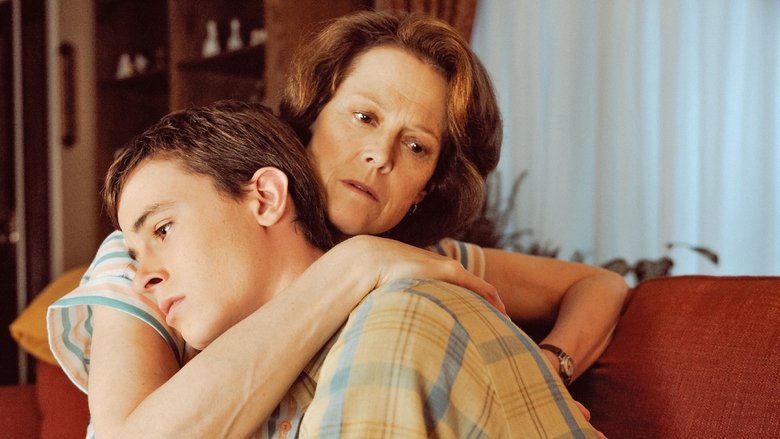
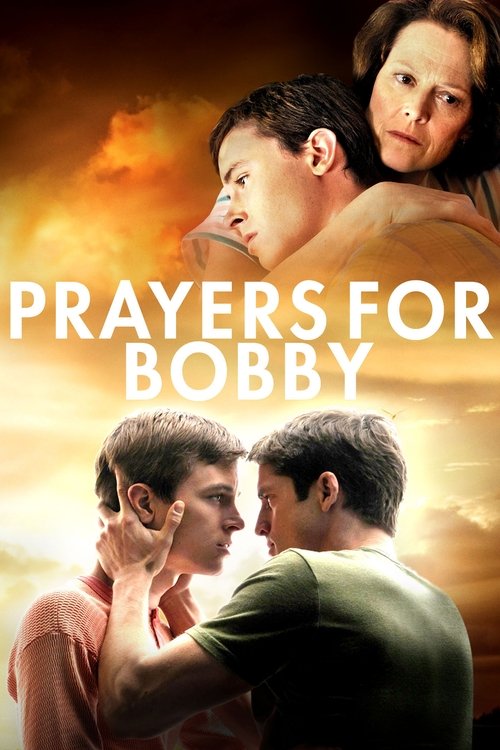
"She loves everything about her son...except who he is."
Prayers for Bobby - Symbolism & Philosophy
Symbols & Motifs
Bobby's Diary/Journal
Bobby's journal symbolizes his inner turmoil, his unspoken thoughts, and the truth of his emotional state that he cannot share with his family. It is the only place where he can be his authentic self without fear of judgment.
Throughout the first half of the film, Bobby is seen writing in his journal. After his death, Mary discovers and reads it, which is a pivotal moment in her transformation. The journal forces her to confront the depth of her son's pain and the role she played in it, shattering her denial and starting her on a path of questioning her beliefs.
The Bible and Posted Scriptures
The Bible, and specifically the verses Mary posts around the house, symbolize the weaponization of religion and dogma. Instead of being a source of comfort and love, it becomes a tool of oppression and condemnation in the Griffith home.
Mary tapes handwritten Bible verses about the abomination of homosexuality to Bobby's mirror and other places in the house in an attempt to "cure" him. This constant visual reminder of his supposed sin exacerbates Bobby's guilt and self-loathing. Later, Mary revisits her Bible with new understanding, seeking a more compassionate interpretation.
The Bridge Overpass
The bridge from which Bobby jumps symbolizes his final point of despair and the tragic consequence of the emotional chasm between him and his mother. It represents a point of no return, a fatal leap resulting from unbearable emotional pain and isolation.
Haunted by his mother's rejection and feeling utterly alone after seeing his boyfriend with someone else, Bobby drives to a freeway overpass. In his final moments, he recalls his mother's words, "I will not have a gay son," before jumping to his death. The location becomes a stark symbol of his tragedy.
The Pride Parade
The Pride Parade at the end of the film symbolizes hope, acceptance, community, and Mary's complete transformation. It represents her moving from the confines of her conservative church to a public and celebratory embrace of the LGBTQ+ community.
The final scene shows Mary, along with her family, marching in a San Francisco Pride Parade with a PFLAG banner. She sees a young man who reminds her of Bobby and embraces him, offering the acceptance she denied her own son. This act signifies her redemption and her commitment to being a mother figure to other vulnerable youth.
Philosophical Questions
Where is the line between faith and fanaticism?
The film explores this question through Mary Griffith's character. Her initial faith is presented as absolute and unyielding, leading her to fanatically pursue the 'cure' for her son's homosexuality. She prioritizes a literal interpretation of scripture over the visible pain of her child. The film suggests that faith becomes dangerous when it closes off empathy, dialogue, and the capacity to question one's own beliefs. Mary's journey after Bobby's death is a painful process of dismantling this fanaticism to find a more humane and loving faith, one that is not based on fear and condemnation.
Is parental love truly unconditional?
"Prayers for Bobby" directly challenges the notion of unconditional parental love. Mary deeply loves Bobby, but her love is initially conditional upon him conforming to her religious and moral standards. Her ultimatum, "I will not have a gay son," is the ultimate expression of this conditional love. The tragedy of the film is the catalyst for her to learn what unconditional love truly means: accepting her child for who he is, not who she wants him to be. The film argues that true parental love must be rooted in acceptance, not the fulfillment of expectations.
Can atonement ever truly be achieved after causing an irreversible tragedy?
The second half of the film is a study in atonement. Mary is consumed by guilt, at one point crying out that she killed her son. Her subsequent activism is a clear attempt to atone for her past actions. While she can never bring Bobby back, the film suggests that a form of redemption is possible through transformative action. By dedicating her life to saving other children from the fate her son met, she honors his memory and turns her devastating regret into a positive force for change, suggesting that while the past can't be erased, a meaningful future can be forged from its ashes.
Core Meaning
The core meaning of "Prayers for Bobby" is a powerful plea for acceptance, understanding, and unconditional love in the face of religious dogma and societal prejudice. The film critiques the destructive potential of blind faith when it is prioritized over familial love and compassion. Director Russell Mulcahy and screenwriter Katie Ford aimed to tell a cautionary tale about the real-life consequences of intolerance and the importance of listening to and supporting LGBTQ+ youth. The message is that love and kindness are paramount, and that religious beliefs should not be used as a weapon to condemn or reject one's own children. Ultimately, the film is a story of transformation, showing that it is possible to move from ignorance and bigotry to advocacy and empathy, but often at a tragic cost.