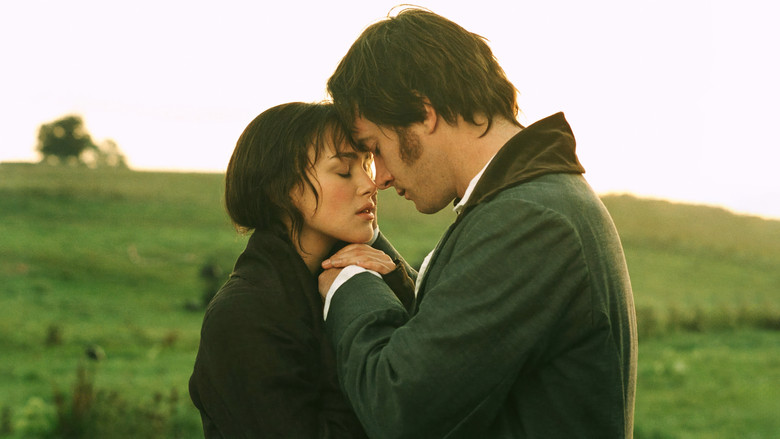

The central twist of "Pride & Prejudice" is the complete reversal of Elizabeth Bennet's and the audience's understanding of Mr. Darcy and Mr. Wickham. Initially, Darcy is perceived as the villain—arrogant, cruel, and responsible for ruining the gentle Jane's happiness. Wickham, conversely, is presented as a charming, wronged hero. The turning point comes after Darcy's first, disastrous proposal. He gives Elizabeth a letter that systematically dismantles her beliefs. It reveals that he separated Jane and Bingley out of a genuine, albeit misguided, belief that Jane was indifferent. More shockingly, it exposes Wickham as the true villain: a liar and a scoundrel who squandered his inheritance and then attempted to elope with Darcy's 15-year-old sister, Georgiana, to seize her fortune.
This revelation forces Elizabeth—and the viewer—to re-evaluate every prior interaction. Darcy's quietness is reframed not as disdain, but as social awkwardness and emotional reservation. His intervention in Lydia's scandalous elopement becomes the ultimate proof of his hidden nobility. He secretly pays off Wickham and forces him to marry Lydia, saving the entire Bennet family from social ruin, an act he intended to keep hidden from Elizabeth. The film's ending is the culmination of this reversal. Lady Catherine de Bourgh's attempt to bully Elizabeth into refusing Darcy backfires spectacularly; her report of Elizabeth's defiance gives Darcy the hope he needs to propose again. The final proposal at dawn is not just a romantic climax but the resolution of their individual journeys: Darcy has shed his pride, and Elizabeth has shed her prejudice. They can finally see each other clearly, and the love that was obscured by their flaws is revealed.