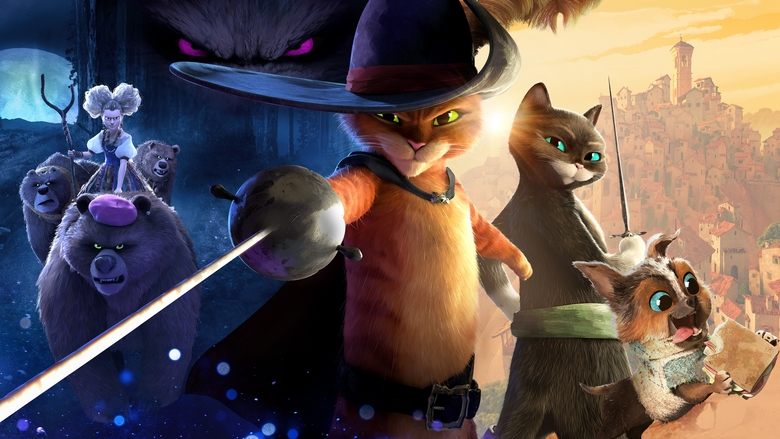
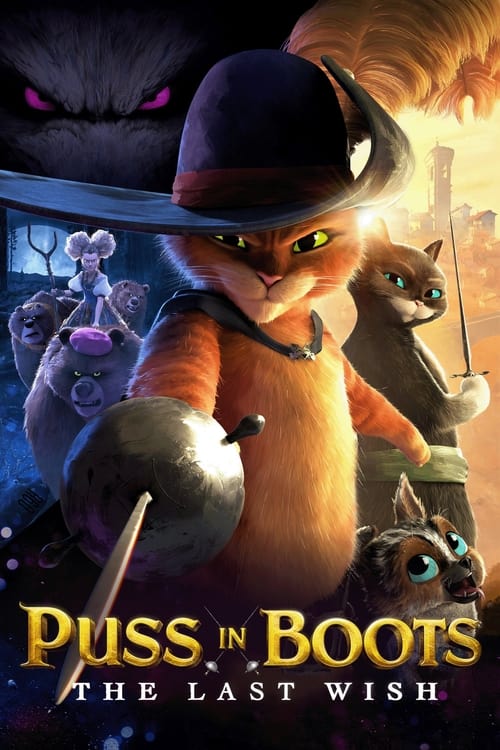
"Puss in Boots: The Last Wish"'s central twist is the identity of the Wolf. Initially presented as an anonymous, intimidating bounty hunter, he is revealed in the Cave of Lost Souls to be Death himself. This re-contextualizes his pursuit of Puss; he is not after a bounty, but is personally offended by Puss's cavalier waste of his nine lives and has come to claim the last one as a matter of principle. This reveal elevates the stakes from a physical threat to an existential one.
Another key revelation occurs between Puss and Kitty. Puss has carried immense guilt for leaving Kitty at the altar, a defining moment of his cowardice. However, Kitty reveals that she never went to the wedding either, because she knew Puss loved himself and his legend more than he could ever love her. This twist reframes their conflict not as a simple case of abandonment, but as a mutual failure of trust and communication, allowing them to forgive each other and rebuild their relationship on a more honest foundation.
The film's ending subverts the classic fairytale premise. No one gets their wish from the Wishing Star. Instead, the heroes find what they were looking for within themselves and each other. Goldilocks chooses her bear family over a wish for a human one. Kitty finds the trust she craved in Puss. Puss, in his most significant act of growth, forgoes his wish for more lives, choosing instead to fight for the one he has with his friends. The map to the star is ultimately destroyed to defeat Jack Horner, who is consumed by the collapsing star—a fitting end for a character who wanted to selfishly hoard all its magic. The final scene shows the trio sailing towards Far Far Away to visit "some old friends," directly setting the stage for a future "Shrek" movie.