"Think for yourself."
Radical - Symbolism & Philosophy
Symbols & Motifs
The Garbage Dump
The massive garbage dump bordering the school symbolizes the societal neglect and the discarded potential of the children. It represents the bleak future assigned to them by their circumstances, a place where things—and people—are forgotten. Paloma's home is right next to it, physically tying the film's greatest hope to its most potent symbol of hopelessness.
The dump is a constant visual presence throughout the film. It's where Paloma and her father scavenge to survive. Her journey from the edge of the dump to national recognition is a powerful visual and narrative arc, representing a rise from the ashes of societal waste.
The Lifeboats (Overturned Desks)
The overturned desks symbolize Sergio's radical departure from traditional teaching methods and the idea that education is a tool for survival. By turning the classroom into an ocean and the desks into lifeboats, he shows the students that learning is an active, collaborative effort to stay afloat in a dangerous world, not a passive act of receiving information.
This is one of the first unconventional lessons Sergio introduces. He physically transforms the rigid structure of the classroom into a dynamic, problem-solving space, shocking both the students and the principal. The lesson on buoyancy becomes a metaphor for lifting oneself and others up.
The Unused Computers
The school's locked and defunct computer lab symbolizes the gap between the students and the modern world, as well as the system's failure to provide essential resources. It represents a locked door to opportunity and knowledge that the students are denied access to, forcing Sergio to find other ways to connect them to bigger ideas.
The computer lab is mentioned early on as having been out of service for years. This fact highlights the school's severe lack of resources and the systemic neglect the community faces, making Sergio's success with no modern tools even more remarkable.
Philosophical Questions
What is the true purpose of education?
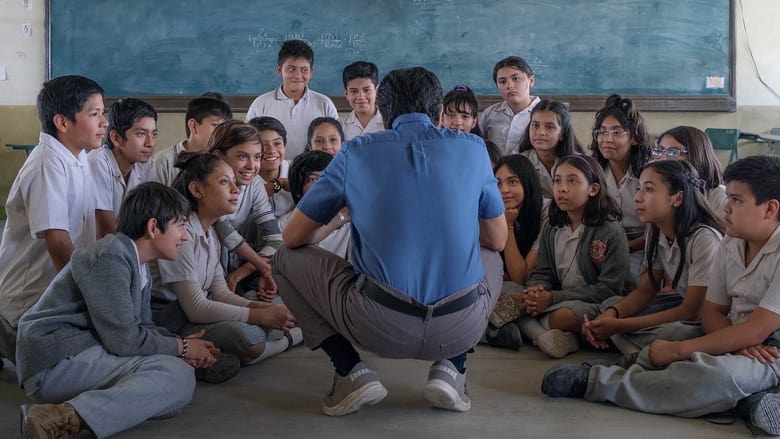
The film constantly questions the purpose of modern education. Is it to create obedient workers who can pass standardized tests, as the existing system suggests? Or is it, as Sergio advocates, to foster curiosity, critical thinking, and the ability to solve problems creatively? The film explores this by showing the students engaging with deep philosophical questions, such as utilitarianism (the lifeboat problem) and moral dilemmas surrounding issues like abortion, rather than just memorizing dates and facts. It argues that a true education equips children to navigate the complexities of the world, not just to score well on a test.
Can individual effort overcome systemic failure?
Sergio is a single individual pushing against a massive, failing system of education, government neglect, and societal violence. The film celebrates his individual agency and the incredible results he achieves. However, it also presents the limits of his impact through Nico's tragic death and Lupe having to drop out. This raises the philosophical question of how much one person can truly change. Is individual heroism a solution, or is it a temporary fix that highlights the need for a radical, top-to-bottom overhaul of the entire system? The film leaves this question open, offering both an inspiring story of individual success and a somber reminder of the vast, unchanged problems.
Core Meaning
The core meaning of "Radical" is a powerful testament to the transformative power of education and the profound impact one dedicated individual can have on a community crippled by systemic failure. Director Christopher Zalla wanted to convey that potential can be found and nurtured anywhere, regardless of the bleakness of the environment. The film's central message is a critique of rigid, outdated educational systems that stifle curiosity and prioritize rote memorization over genuine learning and critical thinking. It argues that the true purpose of education is not just to pass tests, but to empower students, ignite their curiosity, and give them the tools to think for themselves and rise above their circumstances. Ultimately, the film champions the idea that by treating children not as empty vessels to be filled but as individuals with boundless potential, we can inspire a generation of thinkers and dreamers.