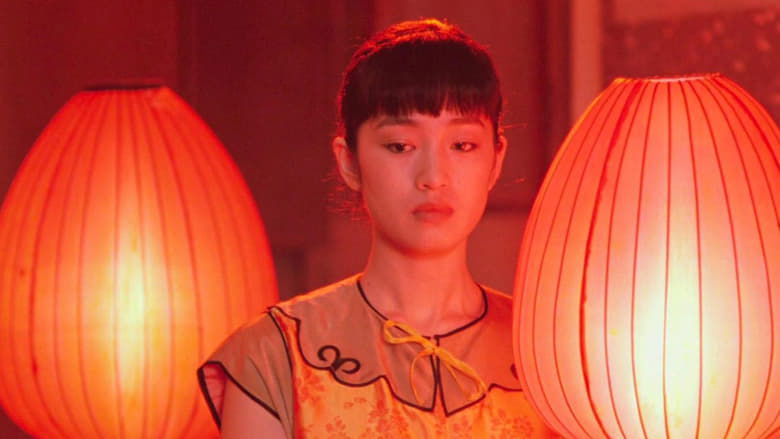
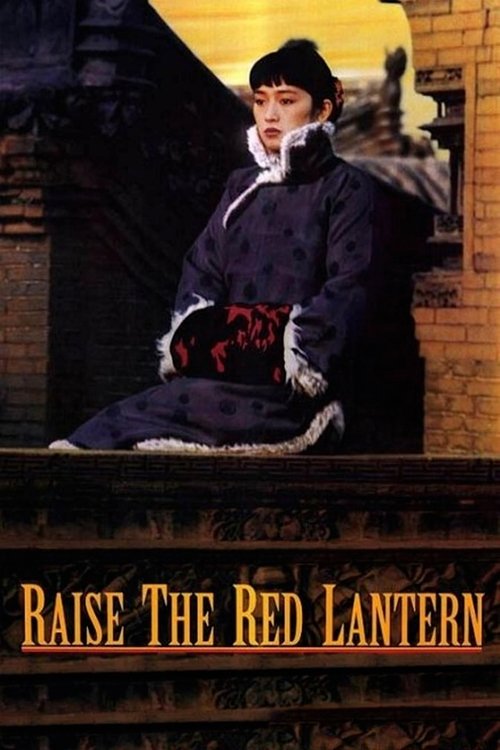
The plot's central tragedy unfolds through Songlian's progressive entanglement in the wives' cruel games. Her first major strategic move is to feign pregnancy to secure the Master's permanent attention and the honor of constantly lit red lanterns. This deception is uncovered by her resentful servant, Yan'er, who conspires with the seemingly kind Second Mistress, Zhuoyun, to expose the lie. After Songlian's fraud is revealed, the Master orders her lanterns to be covered in black cloth, a symbol of ultimate disgrace.
Seeking revenge, Songlian exposes Yan'er for secretly keeping her own red lanterns, a forbidden act. As punishment, Yan'er is forced to kneel in the snow until she collapses, later dying from illness. Wracked with guilt, Songlian discovers that the Third Mistress, Meishan, is having an affair with the family doctor. On her 20th birthday, a drunken and distraught Songlian accidentally reveals this secret. As a result, the Master's men drag Meishan to the sealed room on the roof and murder her, a fate foreshadowed earlier in the film. The trauma of witnessing this horror, combined with her own complicity in the house's cruelty, shatters Songlian's sanity. The film ends the following summer with the arrival of a new, fifth mistress. As the cycle of rituals begins for her, Songlian is seen wandering the courtyard in her old school clothes, completely insane—a permanent, ghost-like fixture of the compound that destroyed her.