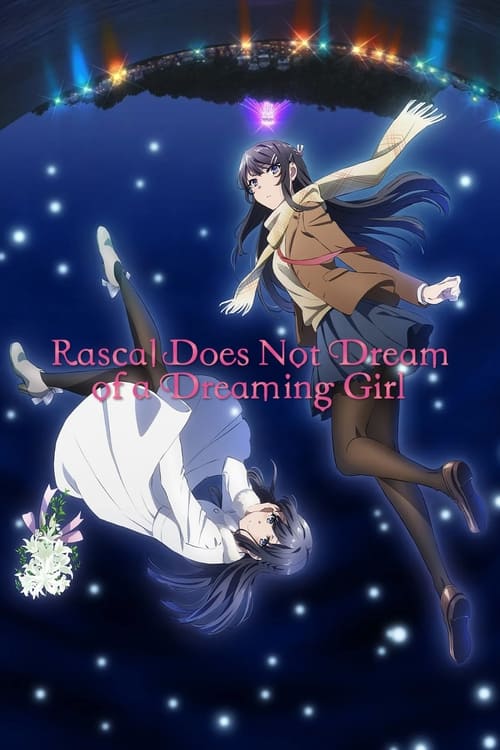
青春ブタ野郎はゆめみる少女の夢を見ない
Rascal Does Not Dream of a Dreaming Girl - Symbolism & Philosophy
Symbols & Motifs
Sakuta's Chest Scars
The three claw-like scars on Sakuta's chest symbolize his past trauma and emotional pain, particularly related to his sister Kaede's Adolescence Syndrome. They physically represent the emotional wounds he carries.
In the film, the scars begin to throb and bleed again in response to the paradox surrounding Shoko Makinohara. This signifies that Shoko's plight is deeply connected to his core emotional state and the very events that shaped him, linking his past trauma to the impending future tragedy.
The Beach at Enoshima
The beach is a liminal space of fateful encounters and emotional honesty. It represents both beginnings and endings, a place where characters confront their deepest feelings and where timelines often converge.
Sakuta first met the adult Shoko on a beach, an encounter that set him on a new path in life. The final scene of the film also takes place on the beach, where Sakuta and Mai encounter a young, healthy Shoko, bringing the story full circle and signifying a new, hopeful timeline born from their collective sacrifices.
Shoko's Future Goals Worksheet
The worksheet symbolizes hope and the anxiety of an uncertain future. For young Shoko, who doesn't expect to live long, the assignment to plan a future is a source of immense stress and sadness, triggering her Adolescence Syndrome.
The adult Shoko's existence is a direct result of her younger self's inability to complete this worksheet. Filling out the list becomes a key plot point near the end, as completing it signifies an acceptance of her life and future, no matter how short, which is instrumental in resolving the timeline paradox.
Philosophical Questions
What is the true meaning of a selfless sacrifice?
The film deeply explores the ethics of self-sacrifice. Sakuta's decision to die for Shoko is initially framed as a noble, heroic act. However, the narrative challenges this by showing the immense pain his death would cause Mai and others. Mai's reciprocal sacrifice further complicates the issue. The film suggests that a truly selfless act must consider the emotional consequences for everyone involved, and that sometimes the greater sacrifice is to live on and bear the pain, rather than choosing an easy, albeit tragic, exit.
Can love and identity persist beyond memory?
After the timeline is reset, the characters lose their explicit memories of Shoko and the tragic events. However, they retain echoes of these experiences in their dreams and subconscious. Sakuta dreams of dates with a girl he doesn't know, and Mai is inspired to act in a film that raises awareness for organ donation. This raises the question of whether our core identity and bonds are solely defined by conscious memories. The film seems to argue that they are not; that the impact of profound experiences shapes who we are on a fundamental level, allowing connections to be re-formed even without a clear recollection of their origin.
Core Meaning
The core meaning of the film explores the profound nature of sacrifice, empathy, and the acceptance of painful realities. It posits that true love and kindness are not about achieving a perfect, painless outcome, but about the willingness to endure hardship and make selfless choices for the happiness of others. The film uses concepts of quantum physics and branching timelines as a metaphor for the difficult, life-altering decisions people face. Ultimately, the director conveys a message of hope: even when faced with impossible, tragic choices, a path forward can be forged through courage, trust, and the enduring bonds of love that transcend even memory and time itself.