Rascal Does Not Dream of a Dreaming Girl
A heart-wrenching supernatural romance where quantum possibilities collide with devastating choices, painted in the melancholic glow of a seaside town.
Rascal Does Not Dream of a Dreaming Girl

Rascal Does Not Dream of a Dreaming Girl

青春ブタ野郎はゆめみる少女の夢を見ない

15 June 2019 Japan 90 min ⭐ 8.3 (559)
Director: Soichi Masui
Cast: Kaito Ishikawa, Asami Seto, Inori Minase, Nao Toyama, Atsumi Tanezaki
Drama Animation Fantasy Romance
Sacrifice and Selflessness Grief and Acceptance Quantum Possibilities and Fate The Nature of Identity and Memory

Overview

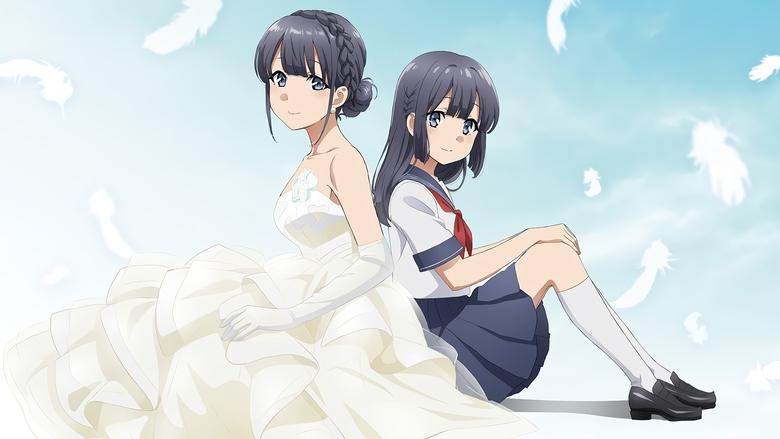
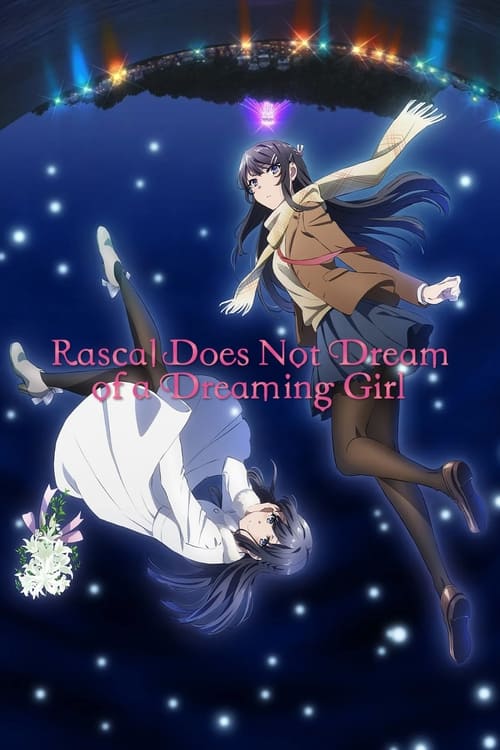
"Rascal Does Not Dream of a Dreaming Girl" is the feature film sequel to the popular anime series "Rascal Does Not Dream of Bunny Girl Senpai." The story picks up with high school student Sakuta Azusagawa enjoying a stable and loving relationship with his girlfriend, Mai Sakurajima. Their peace is disrupted by the reappearance of Sakuta's first crush, Shoko Makinohara.

The situation becomes inexplicably complex as Sakuta discovers there are two versions of Shoko existing simultaneously: a cheerful middle school student suffering from a severe heart condition, and a mysterious, kind-hearted adult woman who once helped him through a difficult time. As Sakuta attempts to unravel the mystery connecting the two Shokos, he is drawn into a tragic paradox linked to his own past and future. This forces him into an impossible emotional and ethical dilemma that threatens his own life, his relationship with Mai, and the very existence of Shoko herself.

Core Meaning

The core meaning of the film explores the profound nature of sacrifice, empathy, and the acceptance of painful realities. It posits that true love and kindness are not about achieving a perfect, painless outcome, but about the willingness to endure hardship and make selfless choices for the happiness of others. The film uses concepts of quantum physics and branching timelines as a metaphor for the difficult, life-altering decisions people face. Ultimately, the director conveys a message of hope: even when faced with impossible, tragic choices, a path forward can be forged through courage, trust, and the enduring bonds of love that transcend even memory and time itself.

Thematic DNA

Sacrifice and Selflessness 40%
Grief and Acceptance 25%
Quantum Possibilities and Fate 20%
The Nature of Identity and Memory 15%

Sacrifice and Selflessness

This is the film's most dominant theme. The central conflict revolves around a devastating choice: for young Shoko to live, she needs a heart transplant, and the only compatible donor is Sakuta, who is fated to die in a traffic accident. The narrative forces its characters to confront the idea of sacrificing their own life or happiness for someone else. Sakuta is prepared to die for Shoko, Mai is willing to die to save Sakuta, and adult Shoko grapples with the guilt of her own existence being predicated on Sakuta's death. This creates a powerful exploration of what it means to love someone so much you would give up your own future for theirs.

Grief and Acceptance

The film delves deeply into the emotional turmoil of confronting loss. Sakuta is devastated by the seemingly inevitable death of either Shoko, the girl who saved him in his past, or Mai, the girl he loves in the present. The narrative forces him, and the audience, to experience the weight of these potential losses. The story's resolution doesn't offer a simple magical fix but instead presents a path that requires accepting a painful reality and finding the strength to move forward, even if it means carrying the sorrow of what could have been.

Quantum Possibilities and Fate

The series' recurring concept of "Adolescence Syndrome" is expanded here through quantum mechanics metaphors like Schrödinger's Cat and parallel timelines. Shoko's existence as two separate entities is a manifestation of her anxieties about a future she may not live to see. The film uses time loops and alternate futures not just as a sci-fi device, but to question the nature of fate. It explores whether destiny is a fixed path or a collection of possibilities that can be influenced by decisive, heartfelt actions, suggesting that our choices, however difficult, can create new realities.

The Nature of Identity and Memory

The film's resolution hinges on the idea that memories and core identity can persist even when timelines are rewritten. After choosing a path that seemingly erases his history with Shoko, Sakuta and Mai retain subconscious remnants of their experiences, which manifest as dreams or feelings of déjà vu. This suggests that the person you become is shaped by experiences, and even if the specific events are forgotten, their impact on your character and your connections with others endures.

Character Analysis

Sakuta Azusagawa

Kaito Ishikawa

Archetype: The Self-Sacrificing Hero
Key Trait: Deadpan Altruism

Motivation

His primary motivation is to save Shoko, the girl who helped him during his darkest time, without causing suffering to Mai, the girl he loves. He is driven by a profound sense of empathy and a responsibility to repay the kindness he was shown.

Character Arc

Sakuta begins the film in a state of relative bliss with Mai but is quickly thrown into a devastating emotional conflict. His arc is defined by his unwavering desire to protect others, even at the cost of his own life. He is forced to mature beyond his snarky-but-kind persona and make an impossible choice between the two most important women in his life. He learns the true weight of sacrifice, realizing that his death would not only save Shoko but also cause immense pain to Mai and everyone else who loves him. His final decision is not just to sacrifice himself, but to trust in his bond with Mai to find a "third option" that defies the tragic fate laid before him.

Mai Sakurajima

Asami Seto

Archetype: The Steadfast Lover
Key Trait: Unwavering Devotion

Motivation

Her motivation is singular and powerful: to ensure Sakuta's happiness and survival. She refuses to accept a future without him and is willing to do anything, including sacrificing herself, to prevent it.

Character Arc

Mai's arc in the film tests the strength of her love and resolve. Initially hurt and jealous by the appearance of adult Shoko, she quickly understands the gravity of the situation. Her character develops from Sakuta's supportive girlfriend into an active participant in the tragic dilemma. Her defining moment is when she makes her own sacrifice, choosing to die in Sakuta's place to save him. This act elevates her beyond a mere love interest, showing her love is as selfless and powerful as Sakuta's. Even after this timeline is averted, she remains the emotional anchor, willing to risk losing everything on the faith that she and Sakuta will find each other again.

Shoko Makinohara

Inori Minase

Archetype: The Tragic Catalyst
Key Trait: Gentle Resilience

Motivation

Young Shoko's motivation is the simple, powerful desire to live. Adult Shoko's motivation is more complex: she wants to save Sakuta from the fate of dying for her, while also cherishing the borrowed time she has with him. Ultimately, her core motivation becomes ensuring Sakuta's happiness.

Character Arc

Shoko exists in two forms, each with her own arc. The young Shoko is defined by her quiet struggle with a terminal illness and the guilt she feels for being a burden. The adult Shoko is a manifestation of her desire to live and experience a future, but she is burdened by the knowledge that her life is the result of Sakuta's death. Her arc involves confronting this paradox and ultimately helping Sakuta find a way to rewrite history, even if it means she will cease to exist. She evolves from a mysterious first love into a deeply empathetic figure who makes her own sacrifice by letting go of the future she dreamed of to allow Sakuta and Mai to have theirs.

Symbols & Motifs

Sakuta's Chest Scars

Meaning:

The three claw-like scars on Sakuta's chest symbolize his past trauma and emotional pain, particularly related to his sister Kaede's Adolescence Syndrome. They physically represent the emotional wounds he carries.

Context:

In the film, the scars begin to throb and bleed again in response to the paradox surrounding Shoko Makinohara. This signifies that Shoko's plight is deeply connected to his core emotional state and the very events that shaped him, linking his past trauma to the impending future tragedy.

The Beach at Enoshima

Meaning:

The beach is a liminal space of fateful encounters and emotional honesty. It represents both beginnings and endings, a place where characters confront their deepest feelings and where timelines often converge.

Context:

Sakuta first met the adult Shoko on a beach, an encounter that set him on a new path in life. The final scene of the film also takes place on the beach, where Sakuta and Mai encounter a young, healthy Shoko, bringing the story full circle and signifying a new, hopeful timeline born from their collective sacrifices.

Shoko's Future Goals Worksheet

Meaning:

The worksheet symbolizes hope and the anxiety of an uncertain future. For young Shoko, who doesn't expect to live long, the assignment to plan a future is a source of immense stress and sadness, triggering her Adolescence Syndrome.

Context:

The adult Shoko's existence is a direct result of her younger self's inability to complete this worksheet. Filling out the list becomes a key plot point near the end, as completing it signifies an acceptance of her life and future, no matter how short, which is instrumental in resolving the timeline paradox.

Memorable Quotes

I want to be a kind person. I will live on cherishing the phrases 'Thank you,' 'You did your best,' and 'I love you.'

— Shoko Makinohara

Context:

This is revealed to be what Shoko ultimately decides to write on her worksheet after gaining memories from the future timelines. It is her final, crystallized desire for her life, however long it may be. It is the antithesis of the anxiety that caused her syndrome.

Meaning:

This quote, written on Shoko's future goals worksheet, encapsulates the film's core message. It reframes life's purpose away from grand achievements and towards simple acts of kindness and gratitude. It's the lesson she imparts to Sakuta, which becomes the philosophical foundation for his own heroism and the film's hopeful resolution.

If I lose you, then nothing else matters!

— Mai Sakurajima

Context:

Mai says this to Sakuta when she confronts him about his decision to sacrifice himself on Christmas Eve. It's a moment of intense emotional vulnerability that precedes her own attempt to sacrifice herself in his place.

Meaning:

This line is Mai's raw, desperate declaration of love and her complete refusal to accept a world without Sakuta. It marks the moment she fully commits to defying fate alongside him, establishing that her life is inextricably linked to his and she will not let him sacrifice himself.

Philosophical Questions

What is the true meaning of a selfless sacrifice?

The film deeply explores the ethics of self-sacrifice. Sakuta's decision to die for Shoko is initially framed as a noble, heroic act. However, the narrative challenges this by showing the immense pain his death would cause Mai and others. Mai's reciprocal sacrifice further complicates the issue. The film suggests that a truly selfless act must consider the emotional consequences for everyone involved, and that sometimes the greater sacrifice is to live on and bear the pain, rather than choosing an easy, albeit tragic, exit.

Can love and identity persist beyond memory?

After the timeline is reset, the characters lose their explicit memories of Shoko and the tragic events. However, they retain echoes of these experiences in their dreams and subconscious. Sakuta dreams of dates with a girl he doesn't know, and Mai is inspired to act in a film that raises awareness for organ donation. This raises the question of whether our core identity and bonds are solely defined by conscious memories. The film seems to argue that they are not; that the impact of profound experiences shapes who we are on a fundamental level, allowing connections to be re-formed even without a clear recollection of their origin.

Alternative Interpretations

While the film presents a fairly direct narrative, the nature of Shoko's "Adolescence Syndrome" allows for some interpretation. One perspective is that the entire time-looping structure is less a literal quantum phenomenon and more of a complex psychological metaphor for survivor's guilt and anxiety about the future. From this viewpoint, the 'adult Shoko' isn't a time traveler, but a projection of young Shoko's ideal self—a future she desperately wants but cannot envision. The branching timelines represent her mind exploring every possible outcome to cope with her impending death.

Another interpretation focuses on the ending. The final timeline, where Shoko is saved by an anonymous donor, can be seen as a form of predestination paradox. Mai is inspired to star in a movie about heart disease awareness because of the residual memories (or dreams) from the erased timelines where Shoko's plight was central. This suggests that even erased events leave an indelible mark on the universe, creating a causal loop where the tragic timelines had to happen for the 'happy ending' to become possible. It posits that their sacrifices weren't in vain but were a necessary catalyst to subtly alter the present and create a better future.

Cultural Impact

"Rascal Does Not Dream of a Dreaming Girl" served as a powerful and emotionally resonant conclusion to the arcs presented in its preceding TV series. Critically, it was lauded for its masterful handling of complex emotional themes, particularly sacrifice and grief, within a supernatural framework. It solidified the franchise's reputation as a more mature and philosophically-driven take on the high school drama genre, often drawing comparisons to the popular Monogatari series for its witty dialogue and exploration of psychological phenomena, though with a more grounded, less stylized approach.

Audiences reacted with widespread emotion, with many reviews highlighting the film's heartbreaking dilemmas and tear-inducing climax. It was considered essential viewing for fans of the series, providing a deeply satisfying, albeit gut-wrenching, payoff to the central mystery of Shoko Makinohara. The film's success at the Japanese box office, earning over ¥377 million, demonstrated the franchise's significant popularity and helped pave the way for subsequent sequel films, "Rascal Does Not Dream of a Sister Venturing Out" and "Rascal Does Not Dream of a Knapsack Kid", further expanding the animated adaptation of the light novels.

Audience Reception

Audience reception for "Rascal Does Not Dream of a Dreaming Girl" was overwhelmingly positive, with many viewers praising it as a powerful and emotionally devastating culmination of the series. Fans frequently highlighted the masterful storytelling, character development, and the profound emotional weight of the central conflict. The relationship between Sakuta and Mai was celebrated for its maturity and the depths of their devotion. Many reviews on platforms like Fandango and MyAnimeList describe the film as "beautiful," "heartwarming," and a "masterpiece," though almost always accompanied by a warning about its tear-jerking nature.

The primary point of criticism, for some, was the film's reliance on complex, pseudo-scientific explanations of quantum mechanics and time travel to resolve its plot. A minority of viewers found the climax confusing or felt that the time-looping mechanics became convoluted, arguing it asked for too much suspension of disbelief. Despite this, the consensus remains that the emotional core of the story—the themes of love, loss, and sacrifice—transcended any narrative complexity, leaving a lasting impact on its audience.

Interesting Facts

  • The film is a direct sequel to the 2018 anime series "Rascal Does Not Dream of Bunny Girl Senpai" and adapts volumes six and seven of the original light novel series by Hajime Kamoshida.
  • The entire main voice cast and production staff from the TV series, including director Sōichi Masui and the studio CloverWorks, returned for the film, ensuring continuity in tone and style.
  • The film had its U.S. premiere at Anime Expo on July 7, 2019, before a wider limited theatrical release in North America in October 2019.
  • The film earned a cumulative total of over ¥377 million (approximately $3.76 million worldwide) during its theatrical run.
  • The author of the source material, Hajime Kamoshida, is also known for creating "The Pet Girl of Sakurasou," another popular series that blends high school romance with drama.

⚠️ Spoiler Analysis

Click to reveal detailed analysis with spoilers

Frequently Asked Questions

Explore More About This Movie

Dive deeper into specific aspects of the movie with our detailed analysis pages

Comments (0)

Leave a comment

No comments yet. Be the first to share your thoughts!