The film's climax involves a major subversion of the 'chosen one' trope. Sisu is killed by an arrow—fired accidentally by Namaari but triggered by Raya's aggressive move—resulting in the world's waters drying up and the Druun overwhelming everything. This forces the characters into a corner where magic cannot save them. In the final scene, Raya realizes that Sisu's magic was never about her being 'the best,' but about her trust in her siblings. To save the world, Raya and her friends must hand over their gem shards to Namaari and allow themselves to be petrified. This ultimate act of vulnerability gives Namaari the power and the moral impetus to reassemble the gem. Only after humans save themselves through trust does the magic return to revive the dragons, highlighting that human agency is the true catalyst for magical restoration.
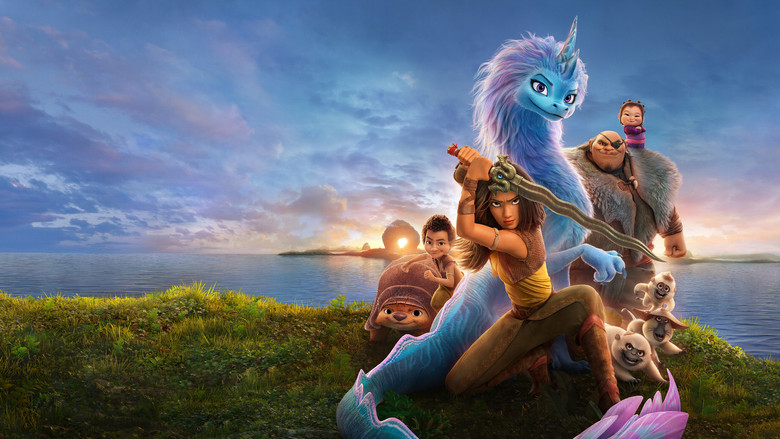
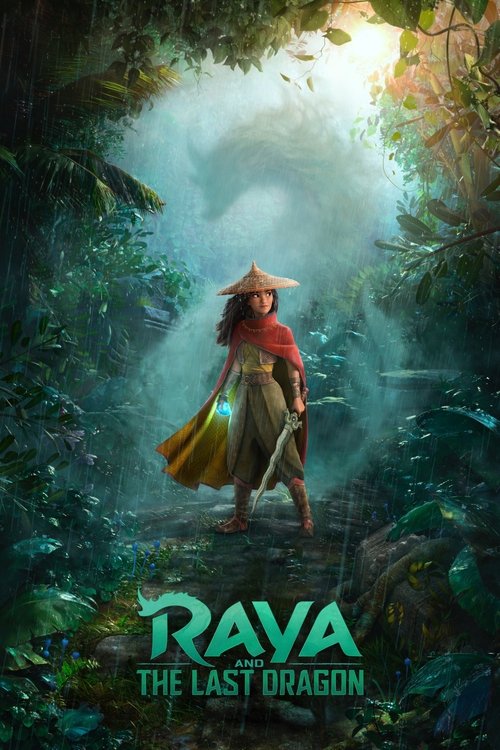
"A quest to save her world."
Director: Don Hall, Carlos López Estrada
Cast: Kelly Marie Tran, Awkwafina, Gemma Chan, Alan Tudyk, Izaac Wang
Raya and the Last Dragon — Ending Explained
⚠️ Spoiler Analysis
Alternative Interpretations
Some viewers interpret the film as a political allegory for international relations, specifically the Association of Southeast Asian Nations (ASEAN) and the challenges of the 'ASEAN Way' of non-interference. Others view it through the lens of the COVID-19 pandemic, with the Druun representing the virus and the Dragon Gem representing a vaccine or solution that is hoarded by different nations rather than shared. A more controversial reading suggests the film promotes 'blind trust' in a way that could be seen as naive or dangerous in the face of repeated abuse or systemic betrayal, leading to heated debates among audience members about the morality of Sisu's advice.
Explore More About This Movie
Dive deeper into specific aspects of the movie with our detailed analysis pages