Red Shoes and the Seven Dwarfs
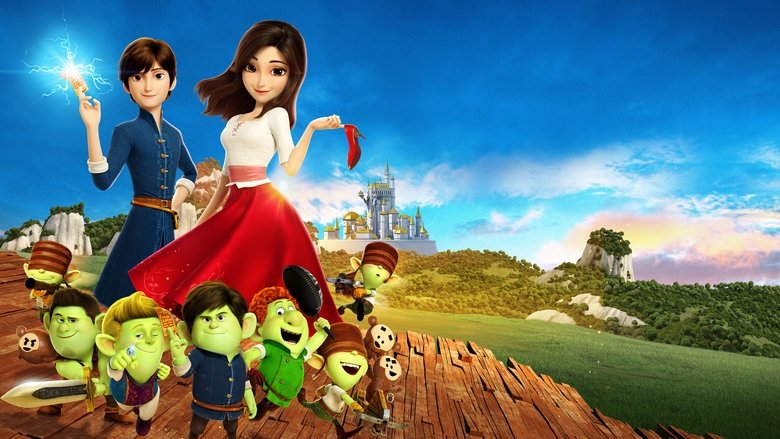
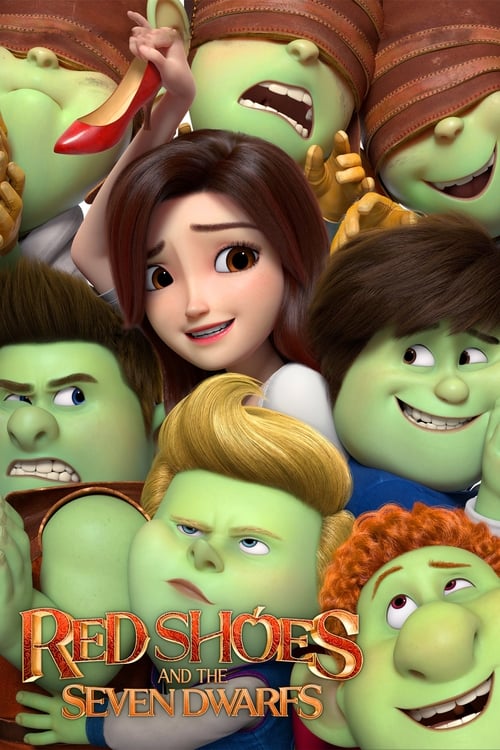
A vibrant fairy tale subversion blending action, romance, and comedy. Through magic heels and green dwarfs, it visually explores the contrast between societal beauty standards and the radiant power of self-acceptance and inner worth.
Red Shoes and the Seven Dwarfs

레드슈즈

"Your true self is the fairest of them all"

25 July 2019 South Korea 92 min ⭐ 7.7 (1,122)
Director: Hong Sung-ho
Cast: Ahn So-yi, Shin Yong-woo, Jun Jin-ah, Jeong Jae-heon, Choi Han
Animation Family Fantasy Comedy Romance Adventure
Inner vs. Outer Beauty Self-Acceptance Vanity and Prejudice True Heroism
Budget: $20,000,000
Box Office: $10,054,356

Red Shoes and the Seven Dwarfs - Ending Explained

⚠️ Spoiler Analysis

The film's climax reveals that the Red Shoes are not a gift but a curse created by the Queen to steal youth. The twist in the curse of the seven dwarfs is that it wasn't just about finding a "beautiful" woman, but about redefining their understanding of beauty. In the final confrontation, Merlin sacrifices his life to save Snow White, proving his selflessness.

Snow White kisses the dying Merlin—a kiss of true love—which revives him. Crucially, Snow White does not stay in her thin form; she remains her natural, plus-sized self. Merlin returns to his human prince form, but the ending emphasizes that he loves her as she is. The curse didn't just break; the worldview that created the curse was shattered.

Alternative Interpretations

While the primary reading is one of body positivity, some critics have offered a cynical interpretation of the ending. They argue that while Merlin learns to love Snow in her natural form, the film still relies heavily on the visual appeal of the "thin" Snow White for much of its marketing and screen time. The curse on the princes is broken, returning them to their "handsome" forms, which some argue undermines the message that looks don't matter—everyone ends up happy, but the male rewards are still conventional attractiveness.

Another reading suggests the film serves as a meta-commentary on the animation industry itself. The "Red Shoes" (false beauty) could represent the polished, artificial aesthetic of mainstream CGI films, while the "real" Snow White represents the raw, authentic storytelling that independent studios strive for but often struggle to sell.