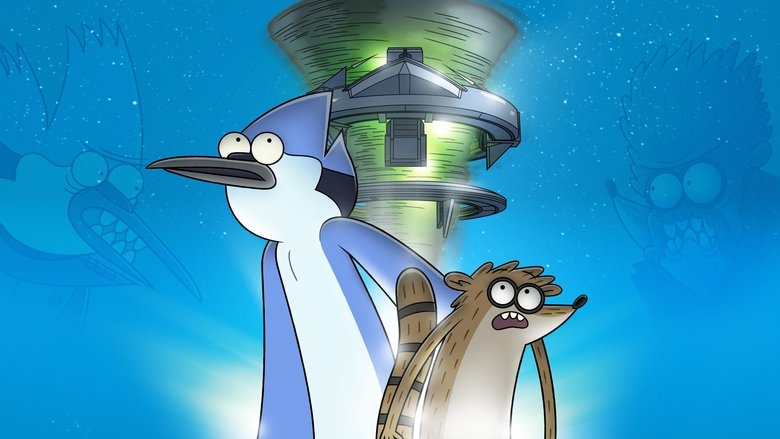
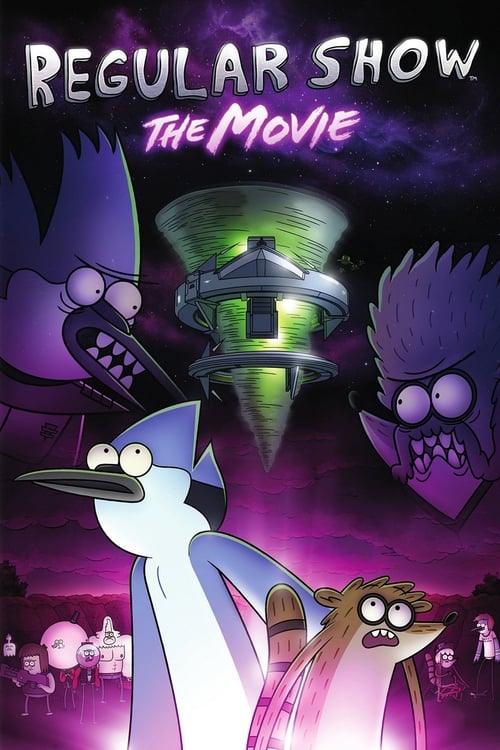
The central twist of "Regular Show: The Movie" is the revelation of Rigby's long-held secret: he was the one who didn't get into College University, while Mordecai was accepted. Fearing that he would lose his best friend, Rigby created a fake rejection letter for Mordecai, ensuring they would stay together. This lie is the true origin of the conflict, as their attempt to build a time machine to get into college is what led to the creation of the Time-nado and Mr. Ross's vengeful crusade.
The film's climax sees Future Mordecai, who has been an antagonist for much of the movie, sacrificing himself to save his past self from a volleyball bomb thrown by Mr. Ross. In his dying moments, he expresses his deep regret for letting his anger over Rigby's betrayal consume him, urging his younger self to forgive his friend. This act of redemption is a pivotal moment, pushing the present-day Mordecai towards reconciliation.
The ending involves Mordecai and Rigby successfully destroying the Time-nado after they repair their friendship. They then travel back to their high school days one last time, where the present-day Rigby apologizes to a young Mr. Ross before he can be arrested. This act of closure prevents Mr. Ross from ever becoming a villain, thus altering the future and erasing the dark timeline. The final scene shows that Mordecai and Rigby have learned from their experience, vowing not to let their friendship degrade to the point of trying to kill each other, as their future selves did.