"Save the universe from yourselves or you're fired."
Regular Show: The Movie - Symbolism & Philosophy
Symbols & Motifs
The Time-nado
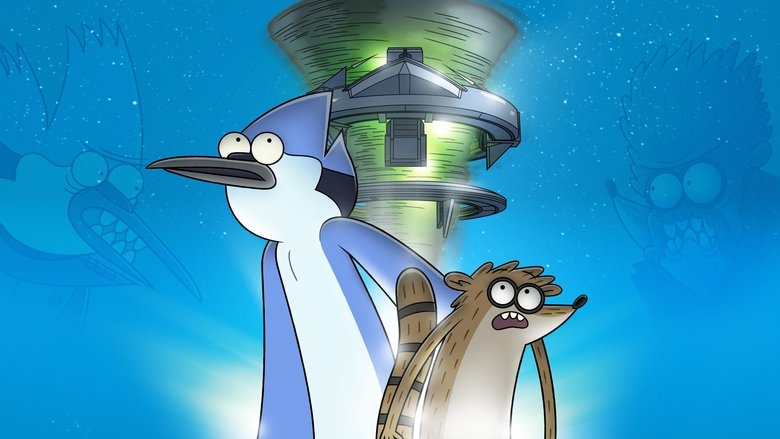
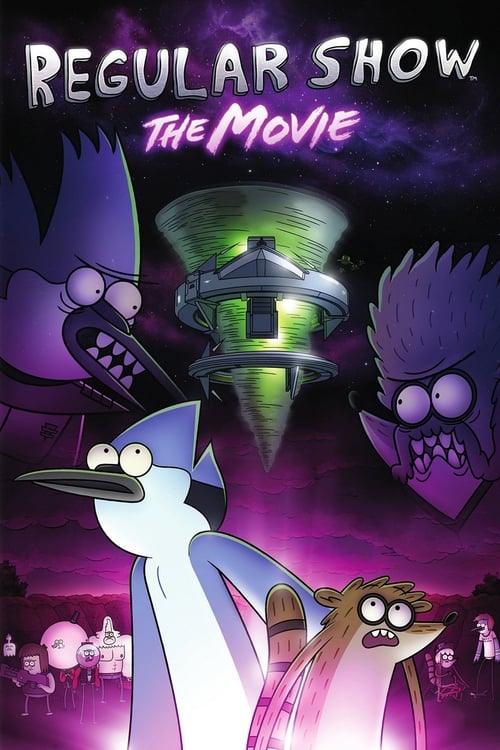
The Time-nado is a physical manifestation of the chaos and destruction caused by Rigby's lie. It represents how a single act of deceit can spiral out of control, creating a vortex of negative consequences that affects not just the individuals involved, but the entire universe. It symbolizes the destructive power of unresolved issues and the far-reaching impact of a broken friendship.
The Time-nado is the central threat of the movie, created by Mordecai and Rigby's high school time machine experiment. Mr. Ross harnesses its power, but its origins are directly tied to the fracture in Mordecai and Rigby's friendship. Destroying the Time-nado is not just about saving the universe, but about healing the rift between the two friends.
Future Mordecai and Rigby
The future versions of Mordecai and Rigby symbolize the potential dark paths that the characters could take if their friendship is permanently broken. Future Mordecai represents bitterness, isolation, and regret, while Future Rigby embodies a desperate and tragic attempt to right past wrongs. They serve as a cautionary tale about what the main characters could become if they fail to reconcile.
They appear at the beginning of the film in a futuristic battle against each other. Future Rigby travels to the past to warn his younger self, while Future Mordecai acts as an antagonist for a significant portion of the movie. Their eventual fates serve as a powerful motivation for their present-day selves to choose a different path.
College University Rejection/Acceptance Letter
The letters symbolize the crossroads of life and the fear of diverging paths. For Mordecai, the acceptance letter represents a future of new opportunities and personal growth. For Rigby, Mordecai's acceptance and his own rejection represent the terrifying prospect of being left behind. The forged rejection letter is a physical symbol of Rigby's lie and his attempt to halt the natural progression of their lives.
The truth about the letters is the central secret that Rigby must reveal. The climax of the film's emotional conflict occurs when Rigby is forced to confess that he created a fake rejection letter for Mordecai to prevent him from going to college.
Philosophical Questions
To what extent are we defined by our past mistakes?
The film deeply explores this question through Rigby's character. His single lie in high school snowballs into a universe-threatening event, suggesting that our past actions can have unforeseen and massive consequences. However, the film ultimately argues that we are not irrevocably defined by our mistakes. Through his confession, apology, and actions to right his wrongs, Rigby demonstrates that one can overcome past failings. The redemption of Future Mordecai further supports this, showing that even a life of bitterness can end in a moment of selfless redemption.
Is it better to preserve a comfortable present or embrace an uncertain future?
This question is at the heart of Rigby's initial conflict. He chooses to preserve the comfortable present of his friendship with Mordecai by lying, thereby avoiding the uncertain future of being separated by college. The film's entire plot serves as an argument against this choice, illustrating that artificially preserving the present can lead to a stagnant and ultimately destructive future. The narrative champions the idea that embracing the future, with all its uncertainties and potential for change, is essential for growth, both for individuals and their relationships.
What is the true value of friendship?
"Regular Show: The Movie" posits that the true value of friendship lies not just in shared experiences and fun, but in honesty, forgiveness, and mutual support during times of change. Future Mordecai's dying words, where he regrets his successful career because it cost him his friendship, highlight this theme. He realizes too late that his bond with Rigby was more valuable than any personal achievement. The film concludes that a "lame job" with a best friend is preferable to a lonely and bitter existence, emphasizing that meaningful relationships are the cornerstone of a happy life.
Core Meaning
The core meaning of "Regular Show: The Movie" revolves around the themes of friendship, accountability, and the fear of change. The director, J.G. Quintel, explores the idea that even the strongest friendships can be tested by dishonesty and the reluctance to grow up. The film posits that true friendship requires not just shared fun, but also honesty and the willingness to forgive past wrongs.
Ultimately, the movie's message is that while avoiding responsibility can have catastrophic consequences, it's never too late to own up to your mistakes and fight for the relationships that matter most. It’s a story about realizing that growing up doesn't have to mean growing apart, and that the value of friendship outweighs personal pride and fear.