
"It's anything but."
Regular Show - Symbolism & Philosophy
Symbols & Motifs
The Park
The Park symbolizes the characters' state of arrested development and serves as the crucible for their growth. It's a bubble where they can remain youthful slackers, shielded from the full responsibilities of the outside world. It represents a phase of life—that post-adolescent, pre-adulthood stage—that is both comfortable and limiting.
For the first seven seasons, almost every story begins and ends within the confines of the park. Leaving the park often signifies a major step in a character's development. In the finale, the characters moving on from the park for good represents their final transition into adulthood. The monument to Pops erected in the park solidifies its role as a place of memory and significant life events.
Video Games
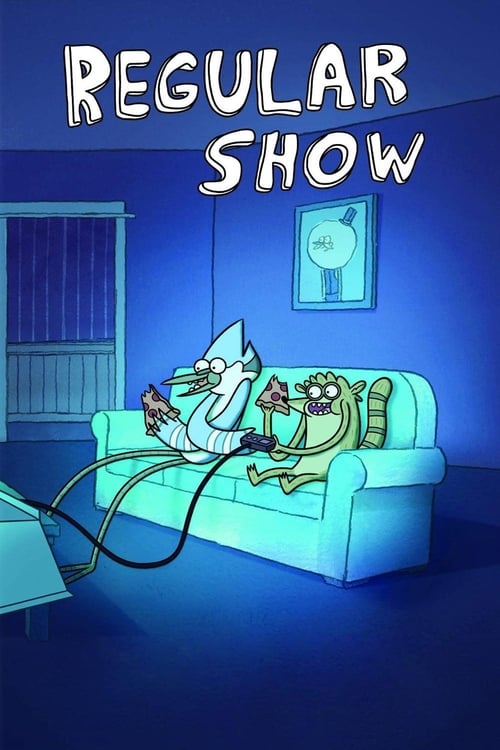
Video games symbolize both the characters' desire for escapism and the unexpected challenges of life. They are the primary way Mordecai and Rigby avoid work, representing their slacker ethos. However, the games often bleed into reality, with their rules, bosses, and high-stakes conflicts becoming real-world threats they must overcome, mirroring how life's challenges are often more complex than they appear.
Throughout the series, cursed arcade cabinets, overpowered game controllers, and virtual reality headsets frequently initiate the central conflict of an episode. In "Exit 9B," the park's greatest villains return as if they were video game bosses from previous levels. The characters' skill (or lack thereof) in games is often a metaphor for their competence in handling real problems.
The Golf Cart
The golf cart is a symbol of the characters' limited freedom and their haphazard approach to responsibility. It is their primary tool for work, yet they almost exclusively use it for reckless joyriding and as a getaway vehicle during their misadventures. It represents their tendency to misuse the tools of adulthood for childish pursuits.
The cart is a constant presence in the show, involved in countless chases and surreal events. Its frequent destruction and subsequent repair mirror the cyclical nature of Mordecai and Rigby's behavior: they cause chaos, face the consequences, and then reset, only to do it all over again. It's an emblem of their specific brand of irresponsible work ethic.
Philosophical Questions
What does it truly mean to grow up?
The series constantly explores this question through the contrasting developments of Mordecai and Rigby. Initially, it seems maturity is about being more responsible, like Mordecai. However, the show ultimately argues that growing up is a more complex process of self-improvement and finding personal fulfillment. Rigby, the initial slacker, achieves a more profound maturity by actively working to better himself—finishing school, committing to a relationship—while Mordecai stagnates for a time due to his romantic indecisiveness. The show suggests that maturity isn't just about abandoning childish things, but about integrating them into a responsible life and making conscious choices to evolve.
Can you escape your destiny, or must you face it?
This question becomes central in the final seasons with the introduction of Pops' cosmic destiny. Pops is a pacifist and a being of pure kindness, yet he is destined to engage in a universe-destroying battle with his brother. The series explores his struggle to accept this violent role. Ultimately, the show offers a nuanced answer: Pops cannot escape his fated confrontation, but he can change its outcome. He faces his destiny not by conforming to its violent expectations, but by remaining true to his own nature. He defeats his brother with an act of love—a hug—sacrificing himself to break the cycle. This suggests that while one may not be able to avoid fate, one can choose how to meet it.
Core Meaning
The core meaning of "Regular Show" is a celebration of the transition from aimless youth to meaningful adulthood, without losing the friendships and sense of fun that define one's formative years. The series argues that growing up doesn't mean becoming boring; rather, it's about finding a way to integrate responsibility with personal joy. Through the escalatingly absurd adventures of Mordecai and Rigby, the show illustrates that even the most mundane aspects of life can be epic and meaningful. Ultimately, it is a story about the profound power of friendship to navigate life's challenges, the importance of facing one's flaws to achieve personal growth, and the bittersweet reality that change and loss are inevitable parts of life's journey, as symbolized by the show's poignant finale.