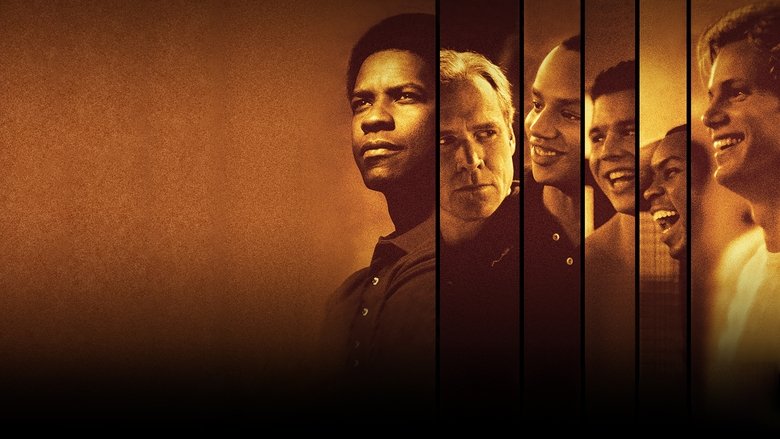
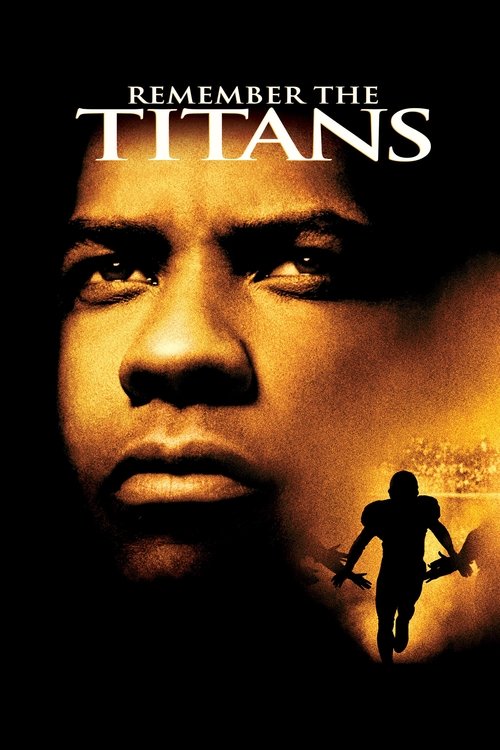
"History is written by the winners."
Remember the Titans - Symbolism & Philosophy
Symbols & Motifs
The Gettysburg Battlefield
It symbolizes the deadly, tragic cost of racial division and the repeating cycles of hatred in American history.
Coach Boone takes the team on an exhausting 3 a.m. run to the cemetery. He uses the setting to deliver a haunting speech, warning the boys that if they don't unite on that hallowed ground, they will destroy themselves just as the soldiers did during the Civil War.
The Left Side / Strong Side Chant
It represents the team's absolute unity, interdependence, and the strength they derive from supporting one another regardless of race.
Originating as a breakthrough moment of bonding between captains Gerry and Julius during camp, it becomes the team's rallying cry on the field to hype themselves up and intimidate opponents.
The Football Field
It functions as a neutral ground and a microcosm of what an integrated, merit-based society should look like.
Boone explicitly declares the field their universe, stating that while the outside world may be chaotic and racist, on the field, absolute fairness and perfection are the only rules that apply.
Philosophical Questions
Can shared goals and forced proximity truly eradicate deeply ingrained prejudices?
The film aggressively explores whether the team's unity is a genuine moral awakening to racial harmony, or merely a pragmatic byproduct of their mutual desire to win a football championship. It asks if proximity and shared suffering are the ultimate antidotes to bigotry.
Does attitude reflect leadership, or does leadership reflect the attitude of the collective?
Sparked by Julius's famous quote, the film philosophically questions the reciprocal nature of authority. It examines whether a toxic team culture is the fault of the players' individual prejudices or the failure of the leaders (Gerry and the coaches) to set a righteous standard.
Core Meaning
Director Boaz Yakin uses the microcosm of high school football to assert that racial harmony and deep understanding can be forged through shared struggles, forced proximity, and common goals. The film's core message is that while systemic racism and learned prejudices deeply divide society, uncompromising leadership and mutual respect can dismantle those walls. The football field serves as an equalizer—a sanctuary where character, effort, and ability outweigh skin color. Ultimately, the film suggests that true victory is not found on the scoreboard, but in the empathy and brotherhood built between individuals who refuse to let societal hatred dictate their hearts.