Requiem for a Dream - Symbolism & Philosophy
Symbols & Motifs
Television and The Tappy Tibbons Show
The television symbolizes both a source of crippling addiction and a purveyor of false promises and the unattainable American Dream. For Sara, it's a constant companion that feeds her loneliness but also becomes the source of her obsession. The Tappy Tibbons infomercial represents a hollow, commercialized version of self-improvement and happiness that Sara desperately clings to.
Sara is constantly watching television, especially the Tappy Tibbons show. The show's enthusiastic host and cheering audience become a recurring hallucination for her, a fantasy world she retreats into as her reality crumbles. Her final, tragic delusion is of winning the grand prize on the show: her successful, loving son.
The Red Dress
The red dress symbolizes Sara's longing for her past, a time when she felt beautiful, loved, and significant. It represents her youth and the happiness she associates with her son's graduation and her late husband. By trying to fit into the dress again, she is desperately trying to reclaim a lost sense of self-worth and purpose.
The dress hangs in her closet, a powerful motivator for her dangerous diet. It is the reason she seeks out diet pills, initiating her descent into amphetamine psychosis. Her entire dream of appearing on television is condensed into the singular goal of wearing this dress again.
The Pier at Coney Island
The pier represents an idealized future and the promise of happiness that is always just out of reach. It is a symbol of Harry and Marion's dream of a perfect life together, a dream that is ultimately an illusion they can never attain.
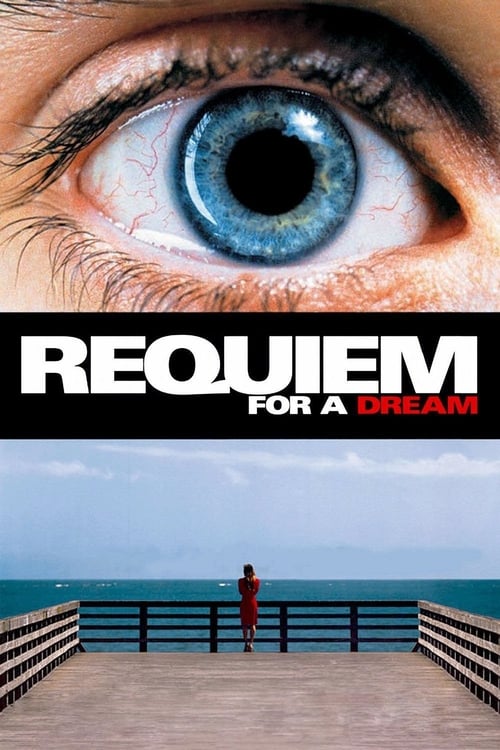
Harry has a recurring vision or dream of standing on a pier, with Marion waiting for him at the far end. As he runs toward her, she remains unreachable, or the pier itself falls away into darkness. This motif visually represents the central theme that their dreams are unattainable and their pursuit is leading them to oblivion.
The Fetal Position
The final image of each character curled in a fetal position symbolizes their complete and utter defeat, regression, and desire to escape their unbearable realities. It signifies a retreat into a womb-like state of helplessness, a surrender to their addictions and the destruction of their lives.
In the film's devastating climax, after Harry has his arm amputated, Marion has degraded herself for drugs, Tyrone is imprisoned, and Sara has undergone electroshock therapy, the final shots show each of them alone, curling into a fetal position on their respective beds, cots, or couches.
Philosophical Questions
What is the true nature of happiness and where does it come from?
The film relentlessly explores the characters' pursuit of happiness through external means: drugs, money, fame, and physical appearance. It asks whether true fulfillment can ever be achieved through these avenues. By showing how their desperate search for a 'win' leads to their complete destruction, the film suggests that these external goals are illusions. It forces the viewer to question what constitutes a meaningful life and whether the modern conception of the 'American Dream' is a recipe for despair rather than happiness.
At what point does a dream become a destructive obsession?
Each character begins with a seemingly positive dream, but their dedication to it becomes an all-consuming obsession that justifies any action. Sara's dream of fitting into her dress leads her to abuse amphetamines; Harry's dream of providing for Marion leads him deeper into the drug world. The film examines the fine line between ambition and addiction, questioning the very nature of hope. It asks if unwavering hope, when detached from reality, can be as dangerous as any chemical substance.
Can we ever truly escape our loneliness?
The film posits that the root of all the characters' addictions is a profound sense of isolation. They use drugs and chase dreams as a way to connect with others or to numb the pain of being alone. However, their actions only serve to deepen their isolation, ultimately severing their relationships and leaving them trapped within themselves. The film raises the question of whether genuine human connection is possible in a world that encourages selfish pursuits, and whether the escape from loneliness is the most potent and elusive drug of all.
Core Meaning
"Requiem for a Dream" serves as a powerful and devastating cautionary tale about addiction in its many forms—not just to drugs, but to dreams, ideals, and the desperate pursuit of happiness. Director Darren Aronofsky's core message is that the relentless, obsessive chase for an idealized version of the American Dream can become a destructive addiction itself, leading to the complete loss of self and reality.
The film's title itself signifies a lament for these lost aspirations. It argues that any dependency—be it on heroin, amphetamines, or the validation from a television audience—stems from a deep-seated loneliness and a desire to escape a painful reality. The film suggests that the very mechanisms people use to achieve their dreams can become the instruments of their destruction, turning hope into a self-consuming obsession that ultimately leaves them with nothing but the wreckage of their former selves.