The film reaches its climax when the Burdette gang kidnaps Dude, intending to trade him for Joe. The exchange occurs outside the town at a warehouse. During the trade, Dude manages to tackle Joe, sparking a chaotic gunfight. The lawmen are significantly outnumbered, but they utilize a strategic secret weapon: Stumpy and a wagonload of dynamite. Stumpy throws sticks of dynamite toward the outlaws' hideout, and Chance and Colorado shoot them in mid-air, causing massive explosions that stun the Burdette men into submission. The film ends not with a massacre, but with the humiliating surrender of the villains, followed by a final scene where Chance finally admits his feelings for Feathers by threatening to 'arrest' her if she wears her scandalous singer's outfit in public.
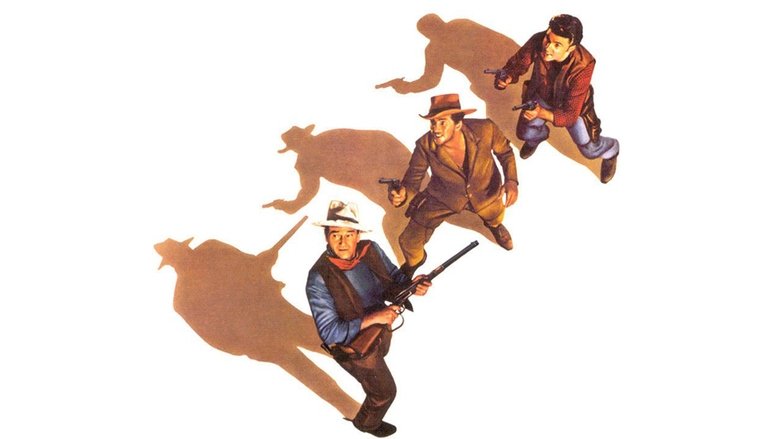
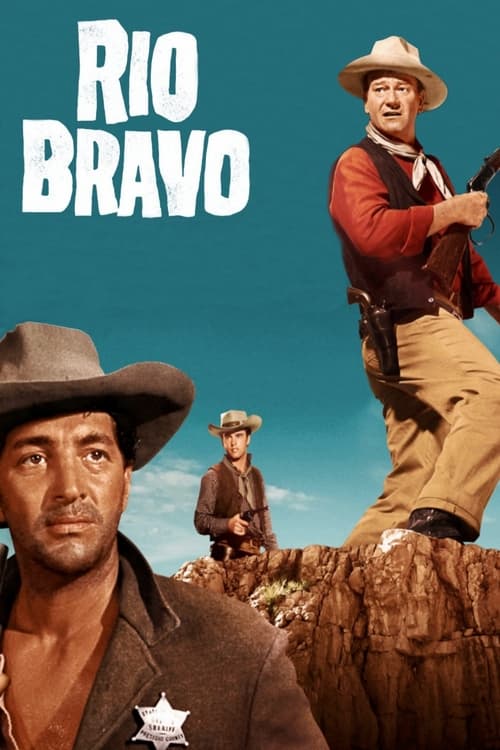
"They fought back to back... No quarter given... No quarter asked... No way in... No way out... of Rio Bravo!"
Director: Howard Hawks
Cast: John Wayne, Dean Martin, Ricky Nelson, Angie Dickinson, Walter Brennan
Rio Bravo — Ending Explained
⚠️ Spoiler Analysis
Alternative Interpretations
While traditionally viewed as a conservative defense of rugged individualism and the rejection of collective civilian aid, some modern critics interpret the film as a humanist study of disability and failure. By placing a 'drunk' and a 'cripple' at the center of the town's salvation, Hawks subverts the typical Hollywood image of the flawless hero, suggesting that the 'professional' is someone who manages their flaws rather than one who lacks them. Another reading sees the film as a proto-feminist Western, as Feathers is portrayed with an agency and sexual confidence that was rare for female characters in the 1950s Western landscape.
Explore More About This Movie
Dive deeper into specific aspects of the movie with our detailed analysis pages