Riverdale
A neon-noir fever dream where high-school archetypes collide with pulp mysteries, blending gothic atmosphere and existential dread into a cinematic kaleidoscope of Americana and teenage rebellion.
Riverdale
Riverdale

"To save the future, they must survive the past."

26 January 2017 — 23 August 2023 United States of America 7 season 137 episode Ended ⭐ 8.4 (13,632)
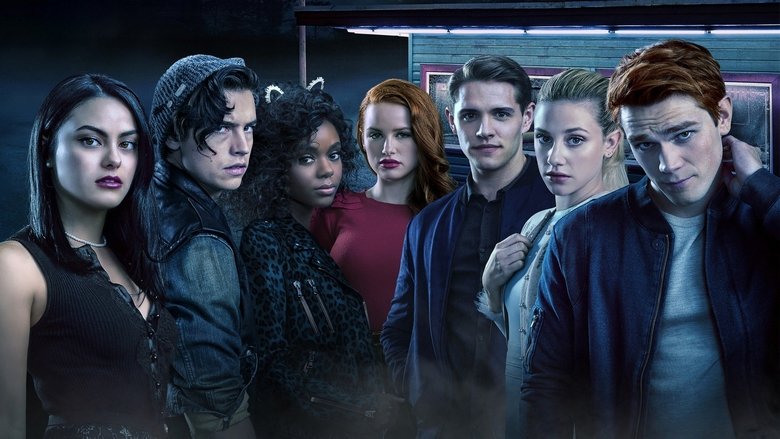
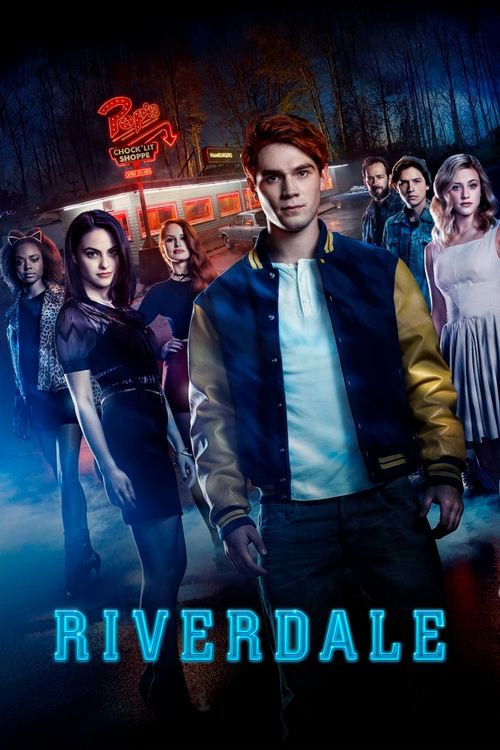
Cast: K.J. Apa, Lili Reinhart, Camila Mendes, Cole Sprouse, Madelaine Petsch
Drama Crime Mystery
The Duality of Small-Town Life Generational Legacy and Sin The Power of Narrative and Myth-Making Nostalgia vs. Reality Loyalty and Chosen Family

Riverdale - Ending Explained

⚠️ Spoiler Analysis

The series is defined by massive twists. Season 1 reveals that Clifford Blossom murdered his own son, Jason, to protect his drug-smuggling business. Season 2 introduces the Black Hood, revealed to be Betty's father, Hal Cooper. Season 3 features the Gargoyle King and "Gryphons & Gargoyles," a game that turns out to be a decades-old tool of manipulation by Penelope Blossom. Season 5 features a seven-year time jump where the characters return to save the town from Hiram Lodge, who eventually dies after being exiled.

The biggest turn occurs at the end of Season 6, when a comet sent by the villainous Percival Pickens is stopped by Cheryl's powers, but the resulting magical fallout sends everyone back to 1955 with their memories wiped. In the series finale, it is revealed that everyone eventually died of natural causes after living full lives in the new timeline. Betty is the last to pass away at age 86, reuniting with her friends in a "Sweet Hereafter" version of Pop's Diner, confirming they are all finally at peace in a timeless version of their youth.

Alternative Interpretations

Critics and fans have proposed several ways to view the series' bizarre trajectory. One common interpretation is that the entire show is a meta-narrative written by Jughead, with the increasingly wild plots representing his growth (and perhaps his loss of grip on reality) as an author. Another reading suggests that the final season's move to the 1950s is a purgatorial state, where the characters are being "tested" to see if their souls can reach a just outcome in a different era.

Some viewers view the series as a commentary on the instability of the modern teen experience, where the changing genres reflect the chaotic and often surreal pressure of growing up in a digital, high-stakes age. The finale's revelation of a polyamorous "quad" has been interpreted as a final subversion of the traditional "shipping" wars, suggesting that friendship and collective love are more important than binary romantic choices.