Robotech - Symbolism & Philosophy
Symbols & Motifs
Protoculture
Protoculture symbolizes the duality of power and creation. It is both a potent energy source that fuels the aliens' technology and military might, and the product of a biological organism, the Flower of Life. In the American adaptation, it was changed from a cultural concept in Macross to this tangible energy source to link the three series. It represents a coveted, life-altering power that can be used for creation and advancement but is constantly sought for purposes of domination and war, making it the central catalyst for all three Robotech Wars.
Protoculture is the central MacGuffin of the entire 85-episode arc. The Zentraedi are sent to retrieve the SDF-1 because it contains a lost Protoculture matrix. The Robotech Masters invade Earth to reclaim the last known source of producing it. Finally, the Invid are drawn to Earth to harvest the Flower of Life, the organic source of Protoculture, which was spread across the planet at the end of the second war.
The SDF-1
The Super Dimension Fortress One (SDF-1) symbolizes humanity's unintended leap into a galactic community and its resilience in the face of the unknown. A crashed alien vessel rebuilt by human hands, it is a hybrid of alien technology and human ingenuity. It represents a sanctuary and a new society, as it carries the civilian population of Macross City on its journey. The ship itself becomes a melting pot, forcing humans and, eventually, Zentraedi defectors to coexist.
The entire first saga revolves around the SDF-1. Its crash on Earth triggers the events of the series. Its accidental 'space fold' transports it and the surrounding island to the edge of the solar system, forcing a long journey home. The ship is both a military fortress and a civilian city, the setting for most of the first saga's battles and character drama.
Veritech Fighters
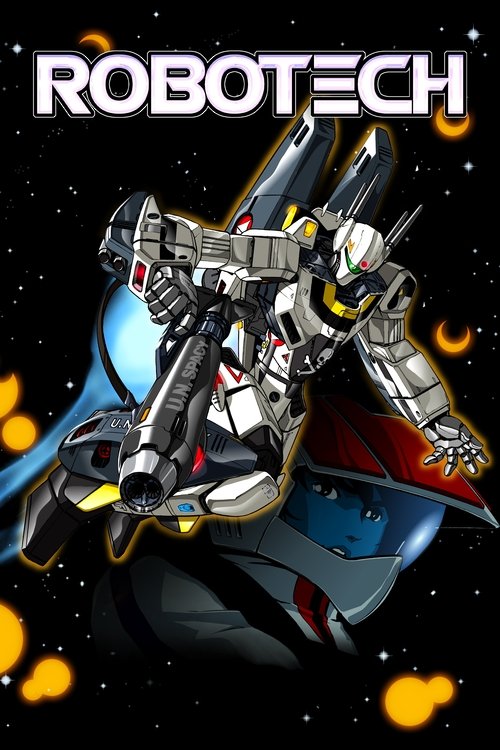
The Veritech (Variable Technology) Fighters symbolize adaptability and the fusion of different ideas. These mecha can transform between a jet fighter, a humanoid robot (Battloid), and a hybrid form (Guardian/Gerwalk). This transformative ability mirrors humanity's need to adapt to new and overwhelming threats. It also represents the blend of military functions—the speed of a fighter with the ground combat capabilities of a giant robot—which is essential to humanity's survival.
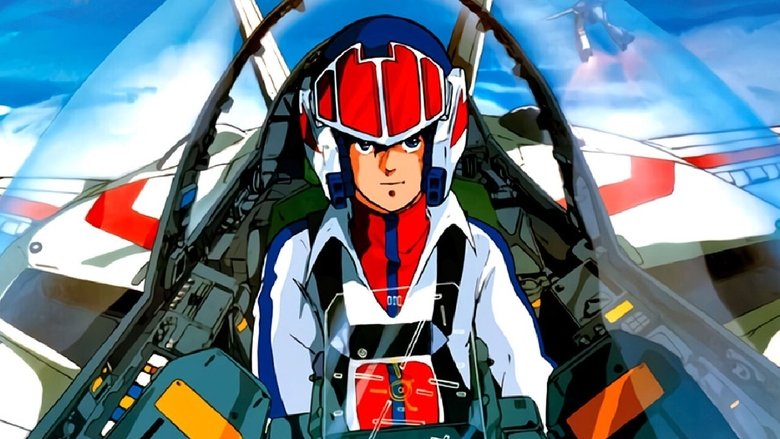
Veritech Fighters are the primary weapon used by human forces throughout all three sagas of Robotech. From Rick Hunter's VF-1 Valkyrie in The Macross Saga to the VHT-1 Hover Tanks in The Masters and the VFA-6 Alpha Fighters in The New Generation, transformable mecha are a constant visual and thematic element of the series, defining its unique aesthetic and action sequences.
Philosophical Questions
Can culture and art be more powerful than weapons in resolving conflict?
The series explores this question most directly in 'The Macross Saga.' The Zentraedi are a genetically engineered warrior race, superior to humans in every military aspect. However, their society is sterile, lacking art, love, or any form of entertainment. When they are exposed to Lynn Minmay's singing, it acts as a cultural shockwave, introducing concepts they cannot process and leading to mass confusion and defection. The series argues that what defines a civilization is not its strength, but its culture. While military force is necessary for defense, the ultimate victory is achieved through understanding and connection, suggesting that shared emotional experiences can triumph where violence would only lead to mutual destruction.
What is the true cost of war across generations?
Robotech meticulously documents how war's impact is not limited to a single battle or generation. The First Robotech War ends with Earth almost completely destroyed. The survivors spend 15 years rebuilding, only to face the Robotech Masters. This second war leaves the planet vulnerable to the Invid. The series demonstrates that each conflict creates new enemies and new reasons to fight. It explores the idea that the soldiers of one war are often the children of the previous one, inheriting a legacy of violence and loss. The question is never fully answered with a solution, but serves as a constant, cautionary theme throughout the epic.
What does it mean to be human?
This question is explored through the contrast between humans and the alien races. The Zentraedi are warriors who lack individuality and emotion. The Robotech Masters are decadent, amoral creators who view life as a resource. The Invid are a biological hive mind. Against these foils, humanity is defined by its flaws and virtues: love, jealousy, ambition, creativity, and the capacity for both incredible self-sacrifice and self-destruction. The series suggests that to be human is to embrace this complex emotional spectrum, and it is this very 'weakness' that ultimately becomes humanity's greatest strength for survival and connection.
Core Meaning
The core meaning of Robotech is an exploration of humanity's resilience, adaptability, and the enduring power of culture and love in the face of overwhelming, cyclical conflict. The series posits that war is not merely a physical struggle but a battle of ideologies and ways of life. Across three generations, the primary message is that understanding, rather than brute force, is the ultimate key to victory and survival. The Zentraedi, a warrior race, are ultimately defeated not by superior firepower alone, but by their exposure to human emotions, relationships, and especially music, which introduces concepts of love and individuality that their sterile, militaristic society cannot comprehend. This theme evolves through the subsequent wars, suggesting that even in the darkest of times, it is humanity's capacity for connection, art, and perseverance that ensures its continuation and provides hope for a future free from endless conflict.