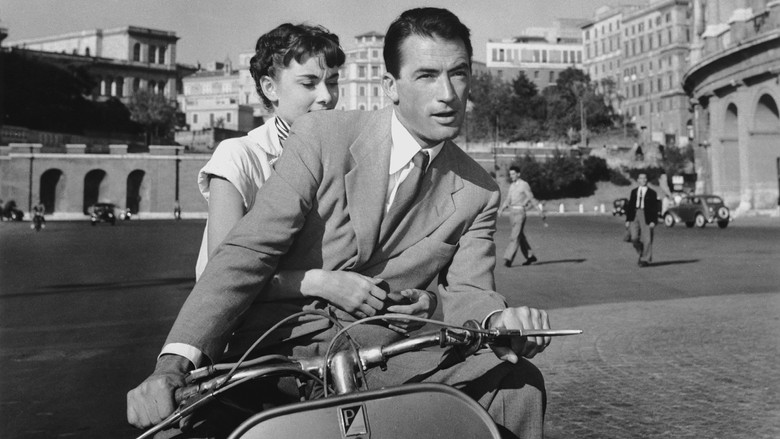
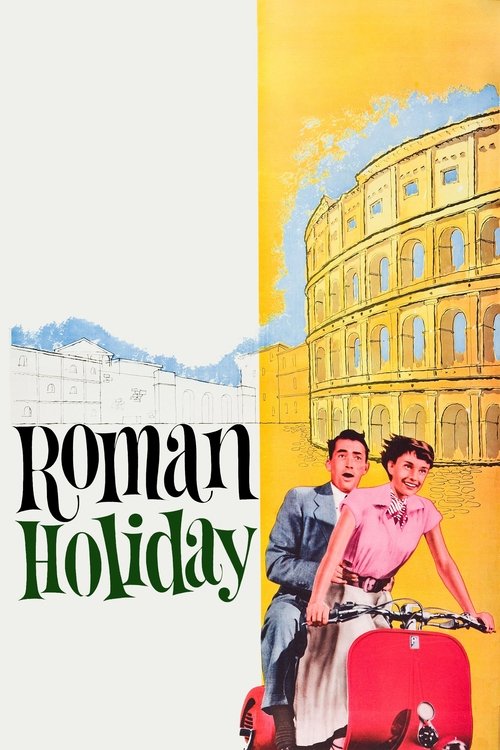
The entire emotional weight of "Roman Holiday" hinges on its poignant, non-traditional ending. After a day of adventure and falling in love, both Princess Ann and Joe Bradley must confront the reality that their romance is impossible. Ann makes the difficult decision to return to her royal duties, recognizing her responsibility to her country and family. In a deeply moving, understated scene, she and Joe say goodbye near her embassy, acknowledging that their time together is over.
The true climax occurs the next day at a formal press conference. Ann, now fully restored to her regal persona, is surprised to see Joe and his photographer friend Irving among the press corps. During the conference, when asked which city she enjoyed most, she pointedly and emotionally declares, "Rome! By all means, Rome. I will cherish my visit here in memory as long as I live," a clear, coded message for Joe. In a final act of love and protection, Joe signals that he will not publish his story. Irving presents her with the candid photographs he took, not as blackmail, but as a personal gift and a memento of her day of freedom. Ann and Joe exchange a final, lingering look filled with unspoken emotion before she departs. The film ends not with a kiss, but with Joe walking away alone through the now-empty grand hall, leaving the audience with a profound sense of beautiful, heartbreaking finality. This ending subverts the fairy-tale expectations, suggesting that the value of their brief love lies not in its continuation, but in its transformative power and the cherished memory they will both hold forever.