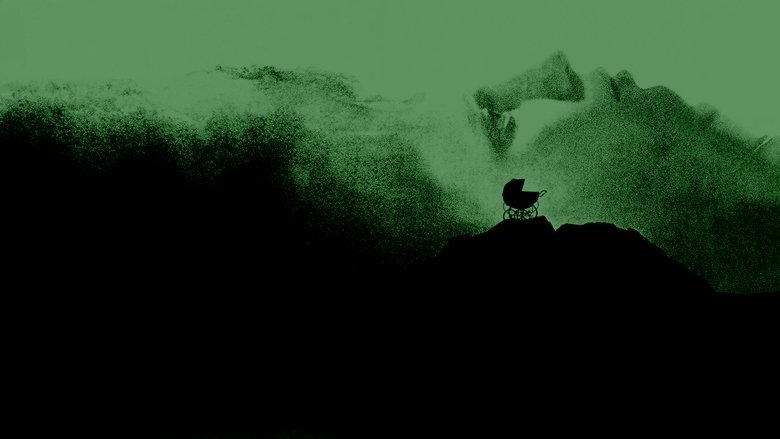
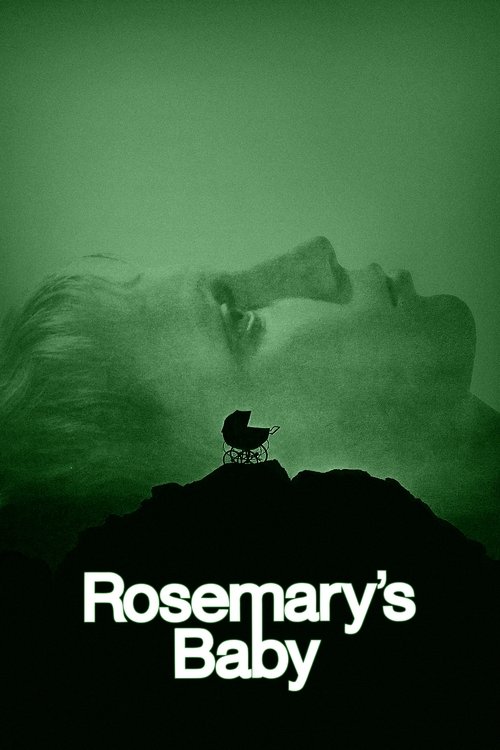
The devastating twist of Rosemary's Baby is that Rosemary's paranoia is not a delusion; it is all horrifyingly real. Her charming husband, Guy, has indeed made a pact with their neighbors, Minnie and Roman Castevet, who are leaders of a satanic coven. In exchange for a successful acting career, Guy allowed his wife to be drugged and ritually raped by Satan to conceive the Antichrist.
Her obstetrician, Dr. Sapirstein, is also a member of the coven, and the mysterious, excruciating pain she feels during her pregnancy is part of the satanic ritual. The 'vitamin drinks' Minnie provides are potions to aid the demonic child's development. Her friend Hutch, who uncovers the truth, is magically put into a coma and killed by the coven before he can warn her. After giving birth, Rosemary is told the baby died, but she hears its cries from the Castevets' apartment. Discovering a secret passage, she finds the entire coven—including Guy—worshipping her newborn son in a black bassinet. Roman Castevet reveals the truth: the baby is the son of Satan. The film ends on a deeply unsettling note of ambiguity. After her initial horror, Rosemary's maternal instincts kick in. Hearing her baby cry, she approaches the cradle and begins to gently rock it, a faint, accepting smile on her face. Her role as the mother of the Antichrist is sealed, not by force, but by her own nature.