るろうに剣心 最終章 The Beginning
Rurouni Kenshin: The Beginning - Symbolism & Philosophy
Symbols & Motifs
The Cross-Shaped Scar
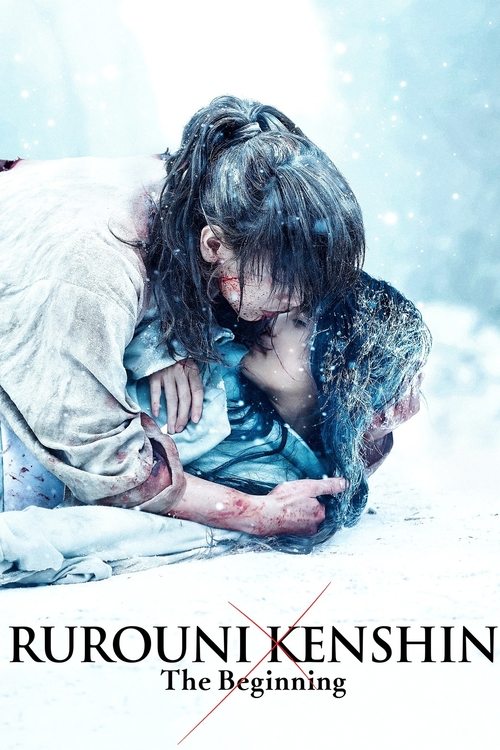
Represents Kenshin's eternal guilt, the physical manifestation of two lost lives (Akira Kiyosato and Tomoe Yukishiro), and a constant reminder of his vow to protect rather than destroy.
Carved onto Kenshin's cheek across two different tragic encounters in the film, forever branding his face with his sins and his salvation.
The Red Hair and Lethal Katana
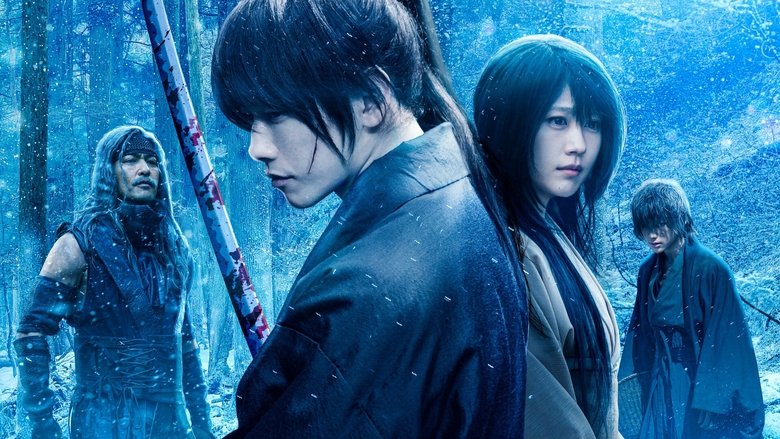
Contrasting with his later use of the reverse-blade sword, his standard katana and untamed red hair symbolize his raw, unrefined nature as a chaotic tool of death before choosing the path of the wanderer.
Emphasized during his brutal, gory assassination scenes in the dark alleys of Kyoto.
The Countryside Inn
Represents an idyllic, albeit temporary, illusion of peace and the domestic life Kenshin and Tomoe could have shared if they were not shackled by the war.
Serves as their quiet sanctuary during the middle act of the film, sharply contrasting with the blood-soaked city.
Philosophical Questions
Does the end justify the means in political revolution?
The film grapples with whether the creation of a peaceful new era justifies the cold-blooded murder of individuals who stand in the way. Kenshin's deteriorating mental state and the tragedy he endures suggest that a society built on a foundation of blood is inherently compromised.
Can true redemption ever be achieved for past atrocities?
Kenshin's realization that the people he killed had loved ones waiting for them shatters his ideological armor. The film asks if a murderer can ever wash the blood from their hands, ultimately concluding that redemption is not about erasure, but about a lifelong commitment to preserving life as penance.
Is pacifism born of cowardice or ultimate strength?
By showing the audience how lethally efficient and terrifying Kenshin was as the Battosai, the film recontextualizes his future vow of non-violence. It reveals that his pacifism is not a lack of power, but an extraordinary, daily exercise of supreme restraint and moral fortitude.
Core Meaning
The film posits that true revolution cannot be achieved without profound personal cost, and that violence, no matter how politically justified, inevitably destroys the soul. Director Keishi Otomo strips away the fantastical elements of the previous films to deliver a poignant message about the burden of taking a life. It suggests that Kenshin's ultimate vow of pacifism was not born out of heroism, but out of immense grief and penance. Through the tragic romance between Kenshin and Tomoe, the film emphasizes that love and shared humanity are the only true antidotes to the cycle of bloodshed, and that redemption is a lifelong burden one must actively choose to carry.