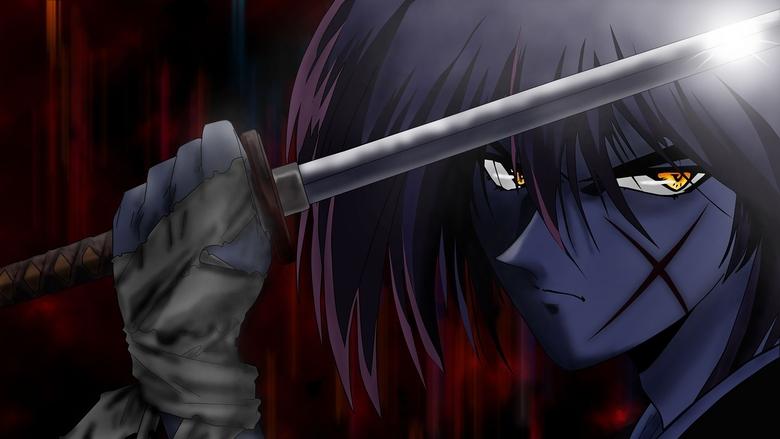
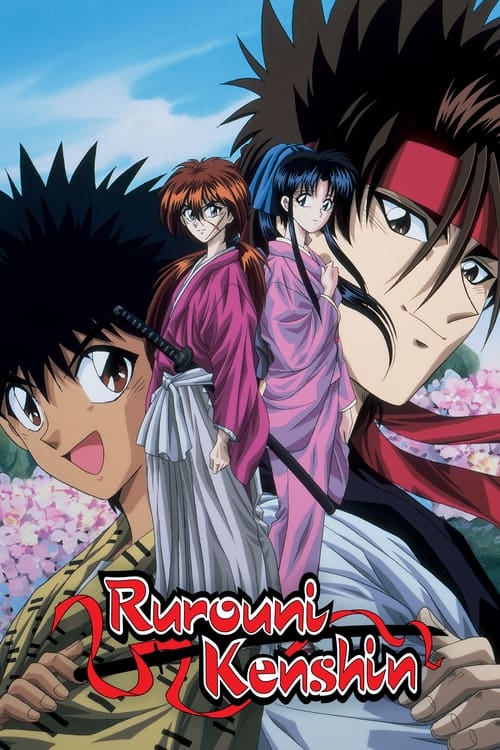
The overarching plot of "Rurouni Kenshin" follows Himura Kenshin's journey to uphold his vow against killing while confronting threats from his past. The series is broadly divided into three main parts: the Tokyo Arc, the Kyoto Arc, and the post-Kyoto filler arcs.
In the Tokyo Arc, Kenshin establishes his new life at the Kamiya Dojo. He defeats various enemies who challenge his vow, including the opium dealer Takeda Kanryu, the former Shinsengumi member Jin-e Udo, and the Oniwabanshū ninja clan led by Shinomori Aoshi. Through these conflicts, he solidifies his bonds with Kaoru, Sanosuke, and Yahiko, who become his new family.
The Kyoto Arc is the series' main conflict. Kenshin is called upon by the Meiji government to stop his successor, the ruthless Makoto Shishio, who survived being burned alive by the government and now plans to conquer Japan with his elite army, the Juppongatana. Kenshin must leave Tokyo and travel to Kyoto to face this threat. On his journey, he is tested physically and philosophically. He reunites with his master, Hiko Seijuro, and masters the final technique of the Hiten Mitsurugi-ryū, the Amakakeru Ryū no Hirameki, by realizing the supreme importance of the will to live. The arc culminates in a series of battles at Shishio's headquarters. Sanosuke defeats the monk Anji, Saito defeats the emotionless swordsman Usui, and Kenshin defeats both Aoshi and the prodigy Sojiro Seta. The final battle sees Kenshin, Saito, Sanosuke, and Aoshi team up to fight Shishio. Kenshin ultimately defeats Shishio by using the Amakakeru Ryū no Hirameki. Shishio, whose body cannot regulate heat due to his old burns, literally combusts from the strain of the battle and dies.
The Filler Arcs following Kyoto are not part of Nobuhiro Watsuki's original manga. They include the Shimabara Arc, the Katsu Kaishu Arc, and the Black Knights Arc. These stories are generally considered non-canon and feature Kenshin and his friends dealing with unrelated threats, such as a group of rogue Christians seeking revenge and a faction of German knights. The anime series ends after these arcs, with Kenshin returning to his peaceful life at the dojo, never adapting the manga's final and critically important Jinchuu Arc, which details Kenshin's conflict with Enishi Yukishiro, the brother of his first wife, Tomoe, whom Kenshin accidentally killed.