美少女戦士セーラームーン
"In the name of the Moon, I'll punish you!"
Sailor Moon - Symbolism & Philosophy
Symbols & Motifs
The Moon
Represents femininity, intuition, cycles of rebirth, and a guiding light in darkness. It serves as the source of Usagi's power and her royal heritage.
Used constantly in visual motifs, attacks, and background imagery. The full moon often signals pivotal moments of clarity or power, while the crescent moon on Usagi's forehead reveals her true royal identity as Princess Serenity.
The Silver Crystal (Maboroshi no Ginzuishou)
Symbolizes the ultimate power of purity and the life force of the Moon Kingdom. It represents the potential for both creation and destruction, fueled by the user's heart.
It is the central MacGuffin of the first season and Usagi's primary source of power. Its blooming lotus form appears in final battles, signifying spiritual enlightenment and the release of limitless energy through self-sacrifice.
Sailor Fuku (Uniforms)
Represents the intersection of innocence (schoolgirl uniform) and duty (soldier's uniform). It reclaims a symbol of patriarchal objectification or conformity as armor for female empowerment.
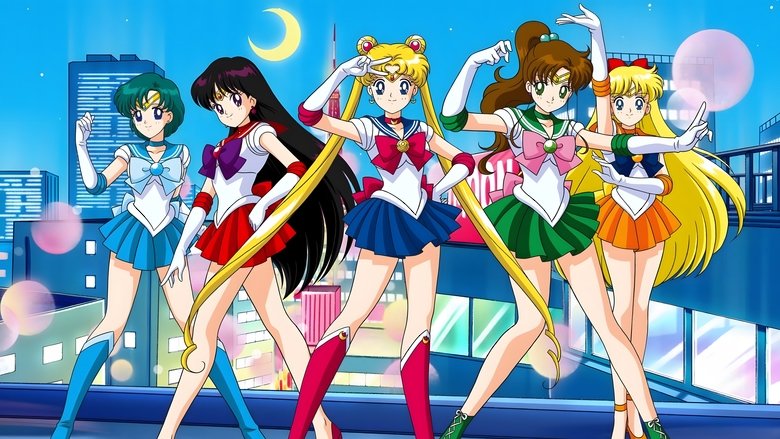
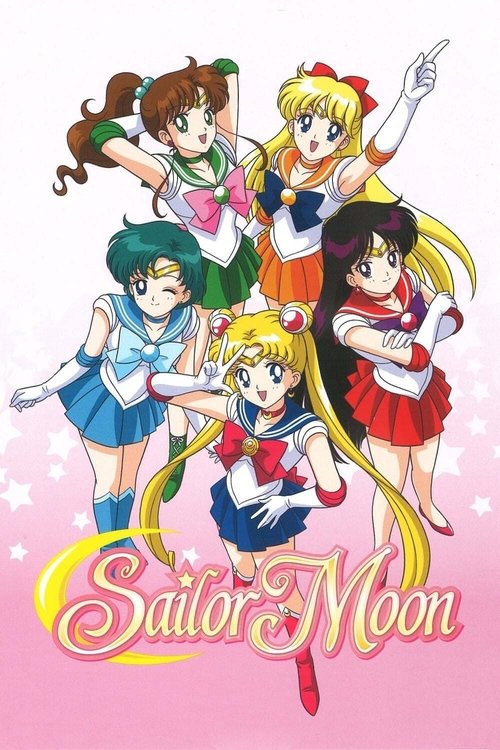
The transformation sequences, where the girls don these outfits, are ritualistic moments where they shed their civilian doubts and step into their power. The uniformity of the suits highlights their unity while color variations signal individual identities.
Mirrors
Truth, self-reflection, and the duality of dreams and nightmares. They often reveal hidden selves or trap characters in illusions.
Prominent in the SuperS season with the Dead Moon Circus, where villains look into 'Dream Mirrors' to find Pegasus. Sailor Neptune also uses her Deep Aqua Mirror to reveal the truth and dispel illusions.
Philosophical Questions
Does destiny negate free will?
The series constantly grapples with the idea that the characters are reincarnations destined to repeat history. However, Usagi repeatedly makes choices that defy the 'script' of the Silver Millennium (such as sparing villains or sacrificing herself), suggesting that while the role is destined, how one plays it is a matter of free will.
Is true strength violence or endurance?
While the Guardians have powerful attacks, the ultimate victories are almost always achieved through endurance, self-sacrifice, and healing. The show posits a philosophy where the ability to absorb pain and convert it into love is superior to the ability to inflict damage.
Can identity be fluid?
Through characters like Haruka (who speaks with male pronouns in Japanese) and the Starlights (who physically change sex), the series explores the idea that the soul transcends gender. It suggests that one's warrior spirit and capacity for love are not tied to a fixed biological or social identity.
Core Meaning
At its heart, Sailor Moon posits that femininity is a source of strength, not weakness, and that the greatest power lies in the capacity to love and forgive rather than to destroy. The series deconstructs the traditional hero narrative by replacing aggression with healing; Usagi triumphs not by killing her ultimate enemies, but by purifying them or reaching out to their lost humanity. It asserts that friendship is the strongest bond in the universe, capable of transcending time, death, and destiny.