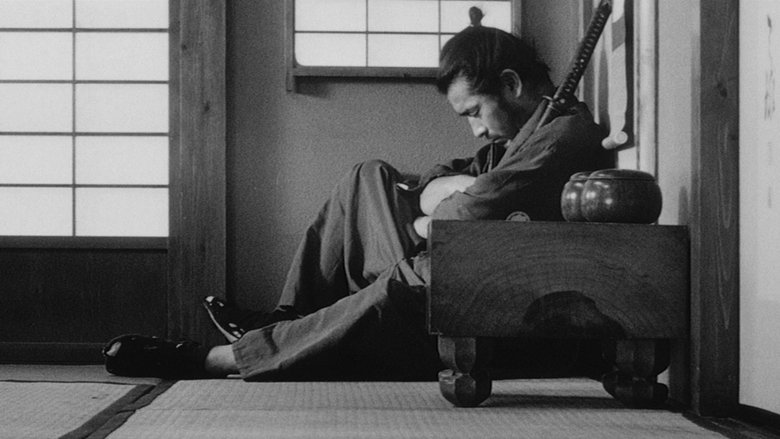
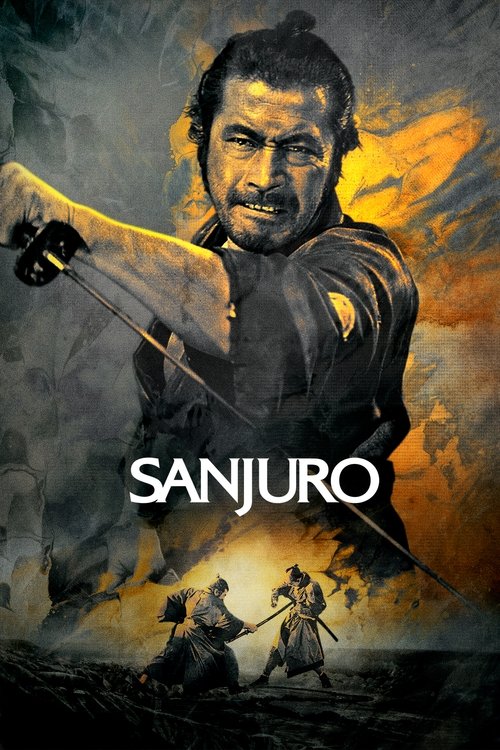
The entire plot of "Sanjuro" is driven by deception and revelation. The initial twist is Sanjuro revealing to the nine young samurai that their trusted confidant, Superintendent Kikui, is the true villain, and the man they suspect, Chamberlain Mutsuta, is the honest one they should be protecting. Sanjuro's primary strategy involves a complex infiltration plot where he pretends to join the villains' side, offering his services to their top enforcer, Hanbei Muroto. This allows him to gain inside information but also puts him in constant danger, as he must maintain the ruse while secretly helping the young samurai.
A key turning point occurs when Sanjuro devises a plan to send camellias down a stream as a signal for an attack. However, Muroto becomes suspicious and captures Sanjuro. In a moment of high tension, just as Muroto is about to kill him, the other corrupt officials reveal Sanjuro's trickery about the rendezvous point was successful, inadvertently saving his life and allowing the Chamberlain's men to launch their real attack. The Chamberlain is successfully rescued, and the corrupt officials are exposed.
The film's climax is the final, inevitable duel between Sanjuro and Muroto. Sanjuro, having been influenced by the Chamberlain's wife's peaceful philosophy, tries to dissuade Muroto from fighting. But Muroto, his dignity shattered by being outwitted, insists the duel is the only way to restore his honor. After a long, tense standoff, Sanjuro kills him in a split second with a single strike that results in an explosive, geyser-like spray of blood. This shocking finale underscores the film's anti-violence message. Sanjuro is not triumphant; he is angered by the killing and by the young samurai's naive admiration of it. He tells them Muroto was just like him, "a drawn sword," and that the Chamberlain's wife was right: "the best sword is kept in its sheath." He then walks away alone, refusing their company and cementing his status as a tragic hero who can save society but never be a part of it.